
Baylor’s Reconciliation Movement
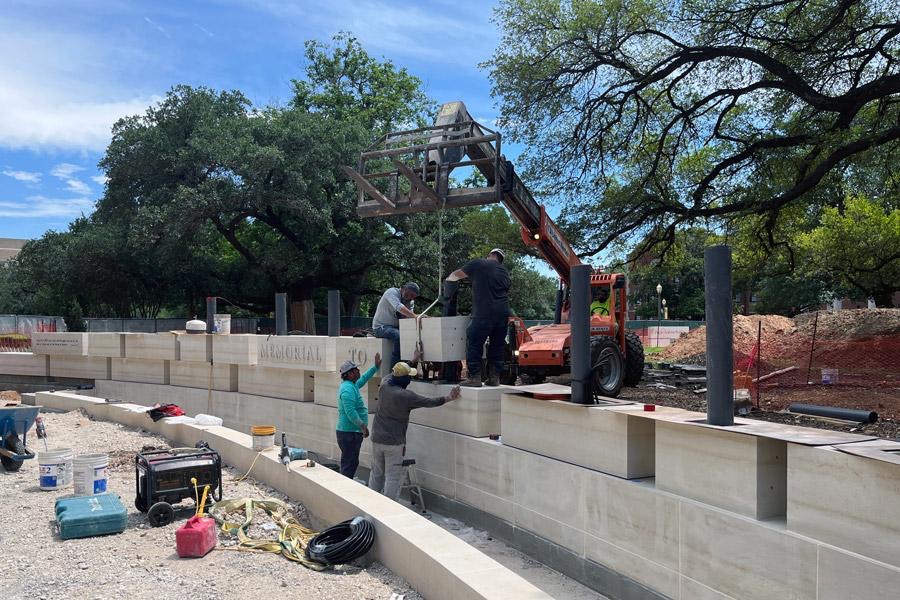
Baylor University’s campus looks a little different at the moment. There are fenced-off portions of campus undergoing obvious reconstruction, accompanied by the sights of orange cones and the shouts of crew workers. A major project at the heart of campus that is causing much of this congestion is a huge step towards Baylor’s future.
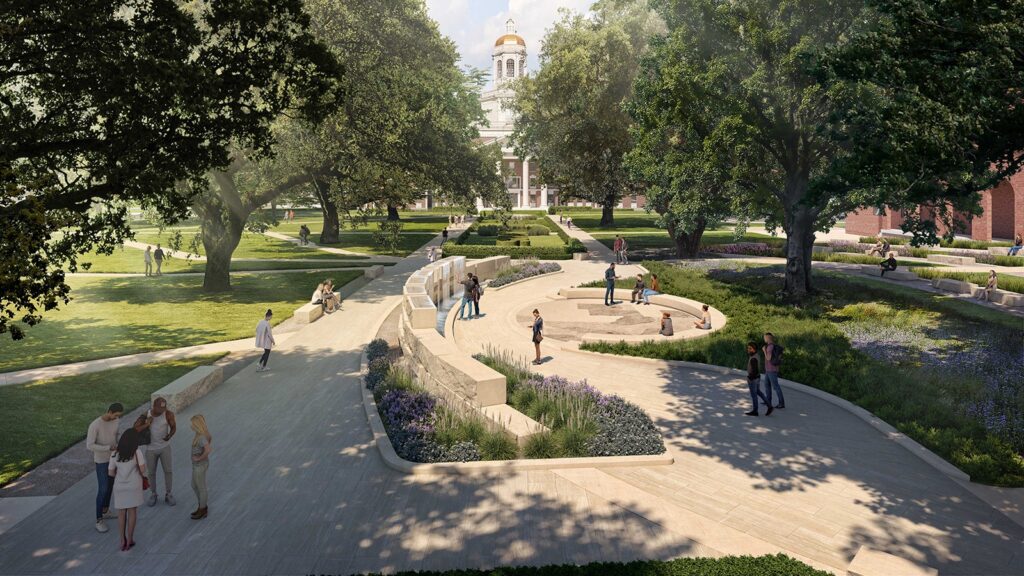
The Memorial to Enslaved Persons is restructuring Founders Mall to acknowledge the immoral use of chattel enslavement during the building of Baylor’s original campus in Independence and the activities of daily life for nearly two decades. On Baylor’s ‘Background & History for a Memorial to Enslaved Persons’ webpage, it states, “It is an acknowledgment of a challenging part of our history while helping us see the need for Christian repentance while we press toward renewal, reconciliation and restoration.” Unfortunately, this isn’t the only accountability Baylor needs to take.
Previously, Baylor University and the City of Waco attempted to reconcile with Indigenous populations that originally inhabited the area. In October of 2020, Baylor authorized research on the history of Baylor’s land and its connections to Indigenous People, and in November of 2022, the University presented a Land Acknowledgement during Native American Heritage Month. In May of 2022, the Baylor Board approved a four-phase plan to address priorities identified by the Commission on Historic Campus Representations:
Phase One is complete, with the new Campus Experience Project.
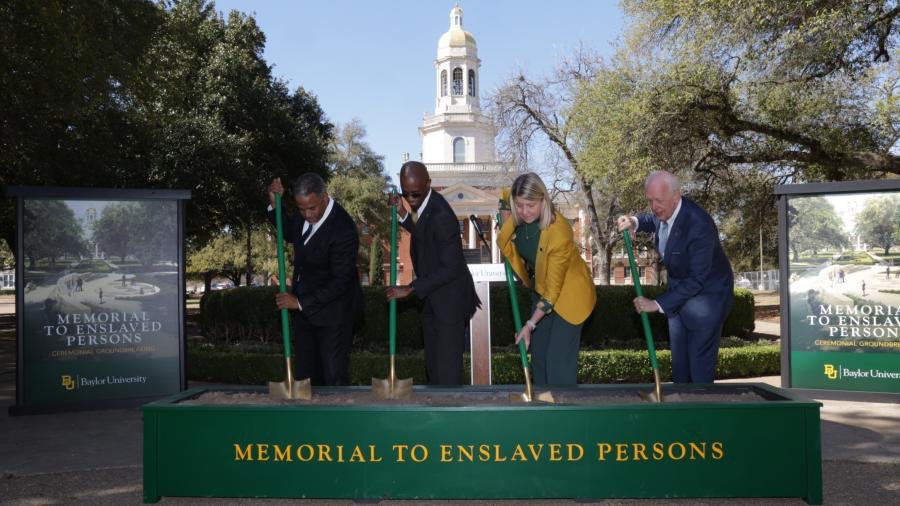
Phase Two formally began February 20, 2024, with the ceremonial groundbreaking for the Memorial to Enslaved Persons. This phase also includes additional historical context being placed around the existing Judge Baylor statue, connecting his history of enslavement with those individuals recognized by the Memorial.
Phase Three will include enhancements to Speight Avenue that explain how the land upon which Baylor sits evolved and was developed, often at the expense of communities and individuals already occupying the property.
Phase Four will feature improvements along the Quadrangle.
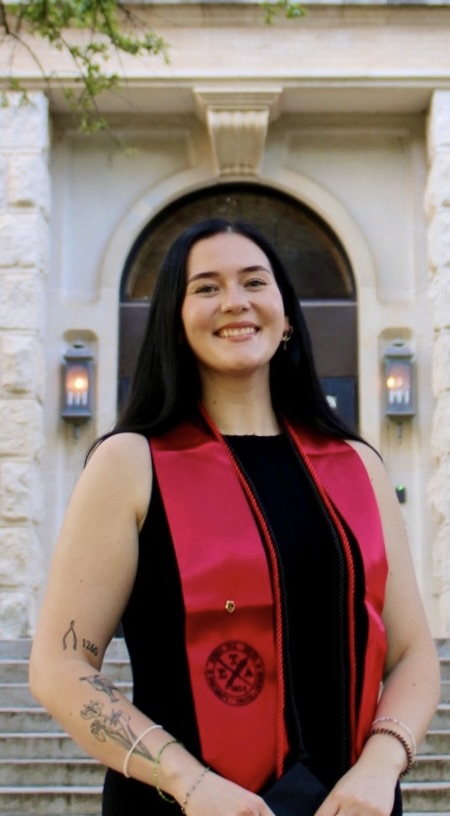
Elizabeth Riley hails from Tennessee and is a graduate of English Literature and Professional Writing & Rhetoric from Baylor University. With passions in archival preservation, communal connection, and women in sports, she writes because it matters, with hopes of bridging villages and fostering revelry amongst them.