
Protect Baylor’s Community Cat Colonies
The Baylor University revised “Animals on Campus Policy” inhibits the feeding of any cats on campus property. Baylor originally issued the “Animals on Campus Policy” in December of 2009, and it was last revised in June of 2023, with the content reportedly being pushed and publicized to students, faculty, and staff in May of 2025. The purpose of this policy is to address the health and safety concerns that animals pose to the campus community, with things such as allergies, disruptions, injuries, disease transmission, and damage to property. Makes sense.
Most of the policy addresses things like service animals in campus classrooms, pets in dormitories, and information about the possible wild animals on campus. However, on page six of the Baylor policy, it states, “For safety, feral cats or loose dogs without owners should be treated with the same caution as a wild animal.” This policy fails to mention pre-existing community cat colonies on campus by not assigning them definitions nor establishing their protections for their current daily habits. If these habits and protections are still in place, Baylor has simply failed to mention it.
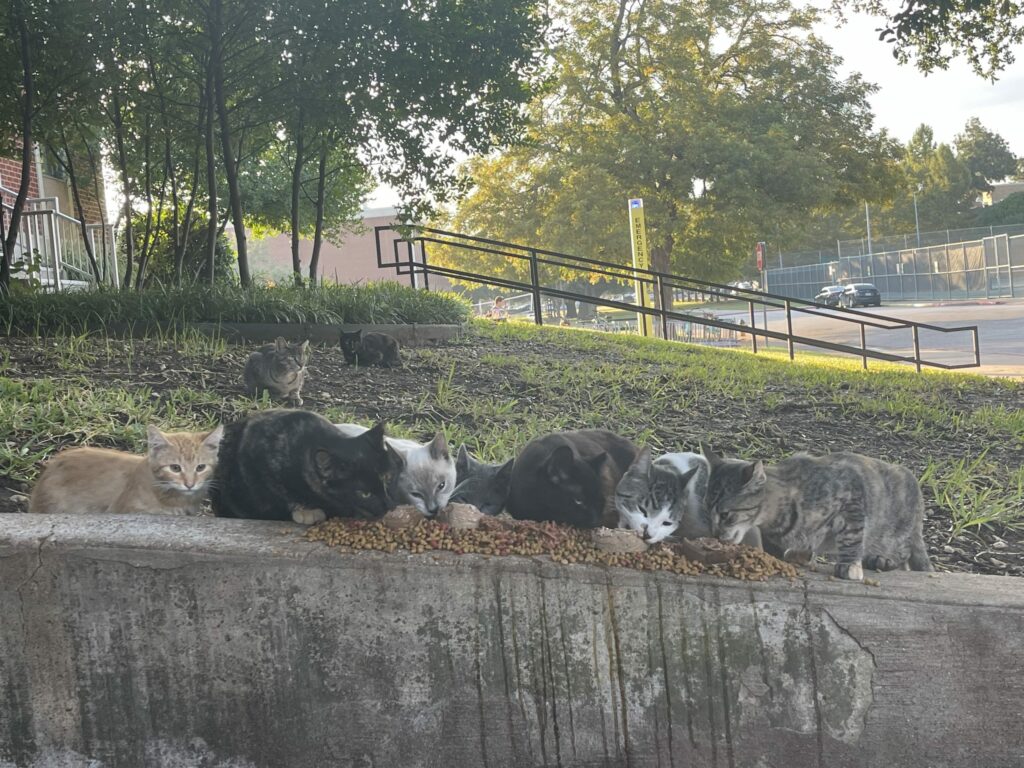
I read through the City of Waco’s Municipal Codes, specifically Chapter 5 on ANIMALS, and they define a community cat as any free-roaming cat, regardless of socialization or sociability, cared for by one or more known or unknown residents of the immediate area. Baylor cannot morally, ethically, or legally ask people to stop caring for community cats, when they are recognized as legal entities within city municipalities.
From Chapter 5, Section 129, the City of Waco defines negligent care as failing, refusing, or neglecting to provide any animal in a person’s charge or custody, as owner or otherwise, with proper food, drink, shade, shelter, or veterinary care as may be necessary.
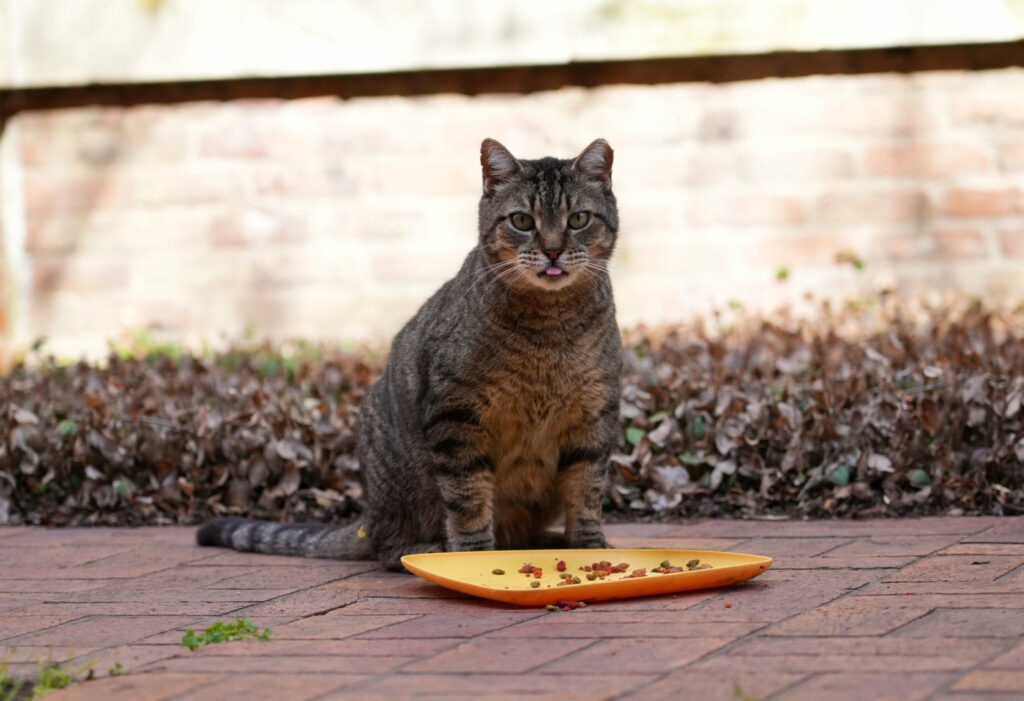
Animal Birth Control of Waco has submitted a proposal to Baylor administration that would allow them to officially manage the campus cat colonies while addressing the university’s concerns about other wildlife. The controversy comes at a particularly sensitive time for the Waco community.
In May, two cats were found shot and hanged from utility lines near the Baylor campus, sparking widespread outrage. Not to mention, Chase the Blue Heeler puppy was just saved from an abusive owner in Lacy Lakeview and is now living with Officer Nathan Rodriguez, who says he “seems very happy in his new home.”
On Friday, a volunteer with Animal Birth Control of Waco arrived to feed cats at one of several colonies she regularly visits on campus. The volunteer was met with a pest control worker, who allegedly told her Baylor University had hired his company to trap and relocate all the feral cats on campus. Carrie Spivey, executive director of Animal Birth Control of Waco, says the cats in question aren’t just strays — they’re part of a managed colony program. Spivey says that relocating these cats would be both illegal and inhumane under Texas law. The cats have become an integral part of campus life, with students regularly interacting with them, taking photos, and giving them names.
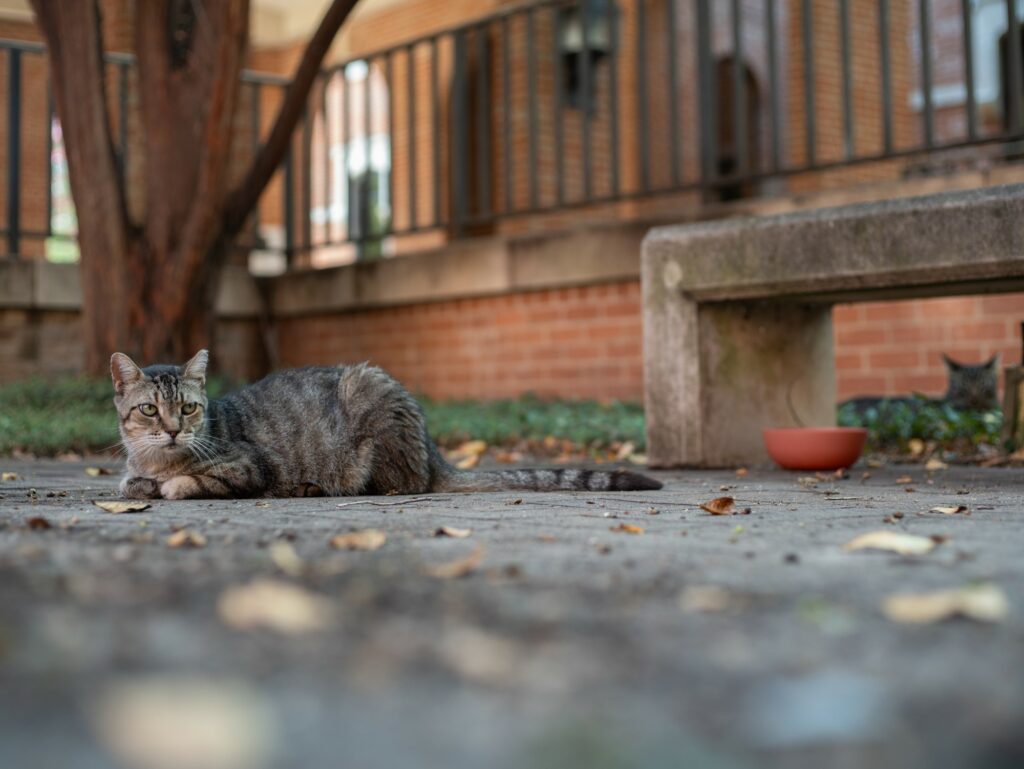
While the cats are still alive and well, how long will Baylor be keeping them around? Feeding stray animals is not a crime. College aged students should know to not interact with dangerous, wild animals. Finally, I’d rather care for helpless, innocent creatures than worry about infrastructure with a budget for cleaning.

Elizabeth Riley hails from Tennessee and is a graduate of English Literature and Professional Writing & Rhetoric from Baylor University. With passions in archival preservation, communal connection, and women in sports, she writes because it matters, with hopes of bridging villages and fostering revelry amongst them.
Hey ActLocallyWaco!! Thank you. Thank you so much for sharing the compelling story regarding the cat situation at the Baylor campus. The cats have been apart of the fabric of campus life for forever. The only solution to these issues is to have Baylor embrace a pro-active campus cat program and encourage compassion in regards to the treatment of the cats. A campus cat program elevates Baylor as a university that cares for all living things♡
Grateful you have shared this story.
I would like to offer a reasoned counterpoint to this, which I’m sure is going to draw hate against me but here goes. The Baylor Biodiversity Project on iNaturalist, which allows Baylor students to document species living in and passing through Baylor’s campus, has had over 13,000 observations since it began in 2023. Feral domestic cats are the third most observed species, only exceeded by Fox squirrels and Great-tailed grackles. The fourth most observed species is the American Robin, a native songbird. Domestic cats (Felis catus) are not native to North America but their numbers have increased to the point that they may be more abundant than any native carnivore. Of the more than 140 million domestic cats in N America 50 to 70 percent are feral or abandoned. There is strong consensus among wildlife professionals that feral cats negatively impact wildlife, including an estimated 2.5 billion songbirds killed annually (even if they are fed, it is a predator drive). (Sources: Chicago Wilderness position statement on feral and unattended domestic cats outdoors, Smithsonian Conservation Biology Institute). Calling them community cats and giving them some protection in city codes doesn’t change any of that. In addition, it’s bad for the cats lifespan and quality of life. I’m on the Baylor campus everyday. I don’t dislike the cats and definitely believe we should be compassionate towards them. But I also believe we should have compassion for the other wildlife that makes (or tries to make) our urban campus their home. I disagree with Julie that the only solution is to embrace a pro-active cat campus. I see evidence of the cats being fed (mounds of food laying around, houses provided) but I don’t see evidence of the cats being trapped and spayed/neutered and vaccinated, which I think is supposed to happen with these feral cat colonies. I don’t know what the long-term solution is but I’m sure there must be models out there for us to follow and if Baylor, and Baylor students, care enough about this issue to write a blog about it, they could host campus meetings to get input and figure out an equitable solution for all, including the cats themselves and songbirds (neither of which can weigh in on the matter of course).
Melissa, as a volunteer with ABC clinic in their TNR program, I have personally trap spay/neutered/vaccinated and returned over 12 cats on campus. With the help of BU staff, I have found 3 feral (now friendly) cats their forever homes for Baylor stray cats. With an entire community effort, I know we can increase this number 10 fold with very little effort. I am only one of many volunteers willing to help with the ABC program on campus, but Baylor management has tried to STOP the ABC program on their campus. Baylor management must be willing to have, as you “suggested campus meetings to input & figure out an equitable solution for all”. I would love for you to reach out to Julie or Carrie at ABC clinic and volunteer to be part of the solution on campus. I have put my name in the hat to be part of any discussion about this issue. Would love to see your name next to mine in that hat to help the feral cat population on BU campus. Ken Willits