By Julie Ivey
As a faculty member at Baylor, I have worked extensively helping children with autism, and I’m really excited about a current project that is innovative and free to children in the area. Our team is working one-on-one with children to improve balance, gait, behavior, and language. It’s a fun experience for the children because they do this while riding a mechanical horse.
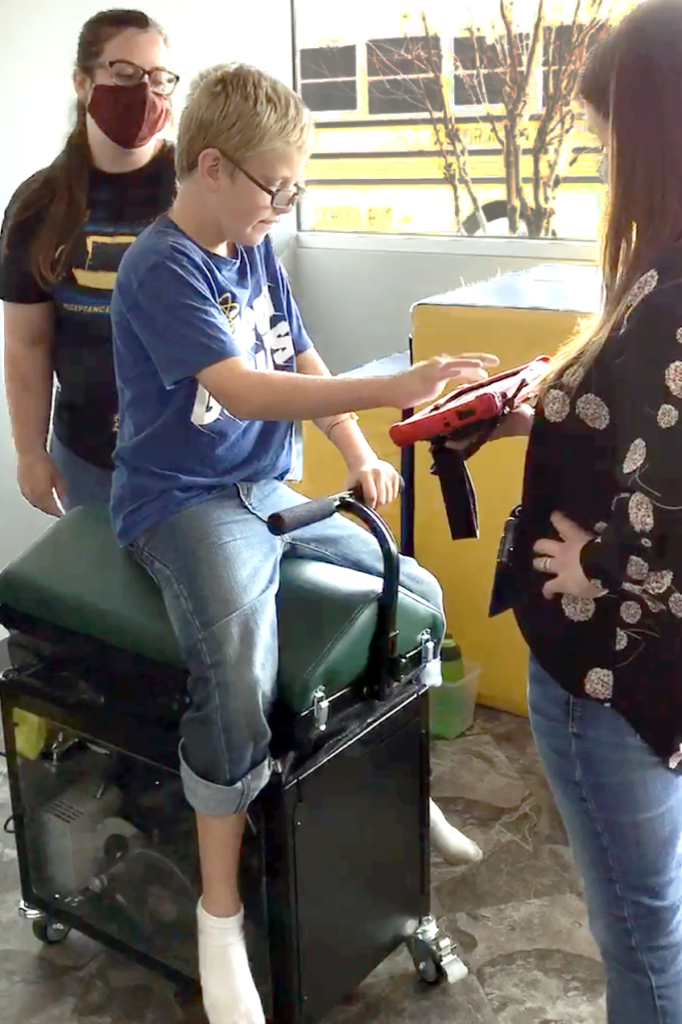
You might have heard about the therapeutic benefits of horseback riding for children with autism; these experiences are believed to stimulate neurological connections because of the motion of the horse that the child must respond to. But not every family has access to live horses. If the mechanical horse can be effective in a clinical setting staffed by trained professionals, it can offer an excellent intervention to help children.
Through a grant from the Texas Higher Education Coordinating Board, our Baylor autism team is measuring the behavioral and language effects of riding on the MiraColt mechanical horse. Because of this funding, the experience is free to children, whose parents sign up to attend two sessions per week for 15 weeks. In fact, families who complete the study will receive $150. The project is taking place at the Baylor BRIC. Be assured that the members of our interdisciplinary team have extensive experience working with children with autism and will help the children feel comfortable in a new setting.
We are recruiting children ages 6-12 who have a diagnosis of autism and may experience motor delays. To participate, children should be able to follow simple verbal instructions and have an IQ above 80. We are accepting participants on a rolling basis this fall and spring. While the study is in its early stages, our preliminary observations are promising, and parents have said they see improvements in their children.
For a little bit more information, you can read this story from the School of Education: School of Education Autism Research Team Studies Mechanical Horse Intervention
If you think your child would be interested and would qualify, we will begin with a meet-and-greet session to show you what it is all about, meet your child, and let you explore the space.
For more information, please mail me at [email protected]! We are excited to work with children and the community on this exciting, innovative project!
Julie Ivey, Ph.D., is a clinical professor in the Baylor University School of Education.
The Act Locally Waco blog publishes posts with a connection to these aspirations for Waco. If you are interested in writing for the Act Locally Waco Blog, please email Ferrell Foster at [email protected].
By Susan Copeland
I have been working as program director of AmeriCorps Seniors RSVP for 29 years, and it has been my pleasure to serve seniors in the Heart of Texas for over 35 years. The RSVP program is sponsored by McLennan Community College and the national service agency, AmeriCorps.
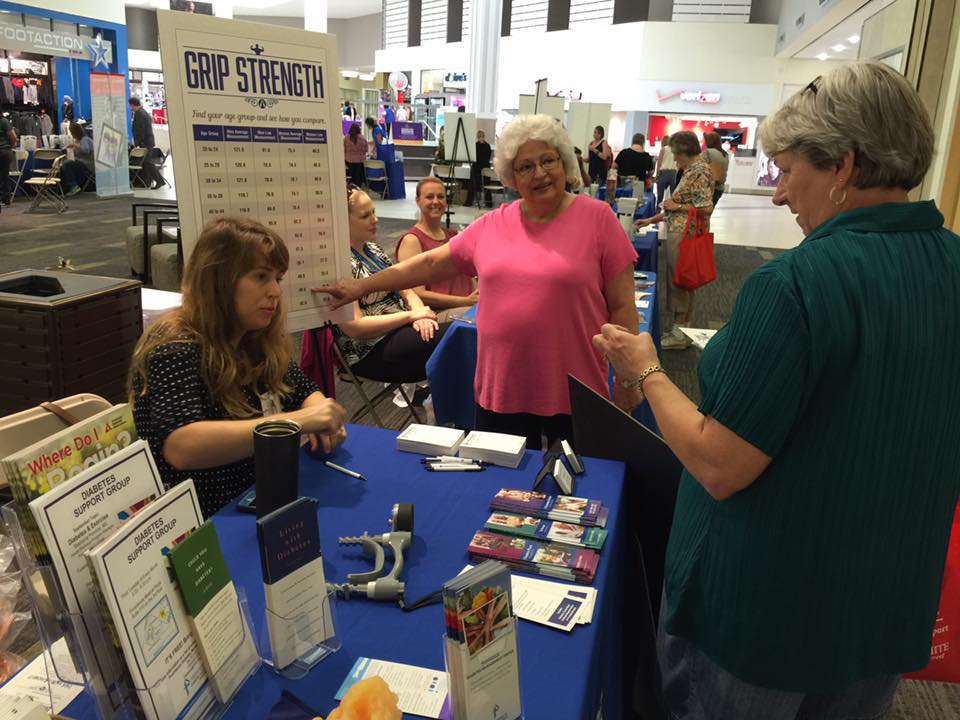
Our 29th Senior Source Health and Information Fair will be 10 a.m-2:30 p.m. Friday, Sept. 17 at Richland Mall. We are excited for the opportunity to bring one-stop information and screenings to our senior population.
In a time of many concerns with the pandemic, I believe this is a chance for folks to safely visit with programs, agencies, and professionals all in one open area. Plus, participants can get their flu shots and COVID vaccines with no appointments needed.
This event can provide services such as senior living options, legal advice, benefit counseling, and so much more all in one convenient location at the mall in an open area safely spaced for COVID precautions.
AmeriCorps Seniors-RSVP has been hosting this event from its beginning and I’ve seen thousands of people gain so much from the Heath Fair. It is so satisfying to see the participants get the information they need and also enjoy the day by meeting up with friends, shopping, and learning about all the services in our area.
Caregivers get to also ask questions and collect information, and the general public always gain something from walking through the fair. It’s a win-win day for everyone and we are happy to bring it to our community.
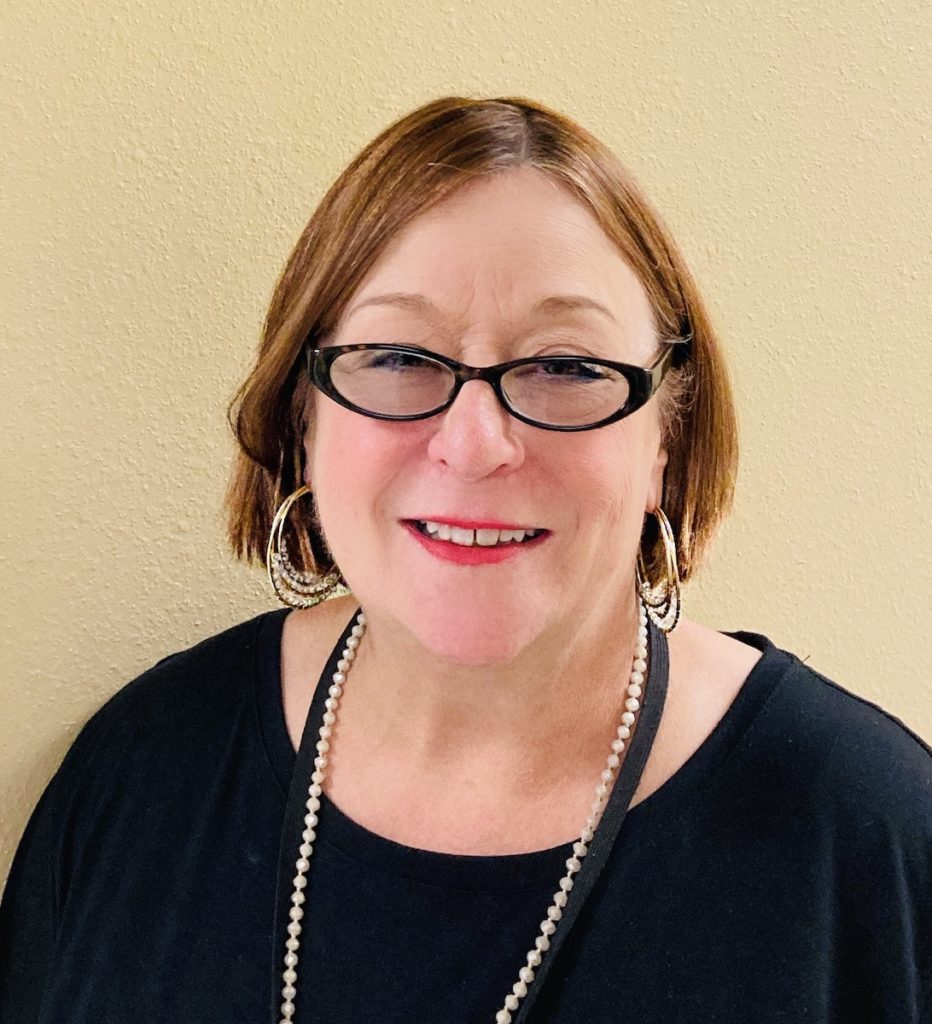
Susan Copeland is director of the Heart of Texas RSVP program. She oversees her staff plus about 10 undergraduate and graduate student interns studying public relations, professional writing, social work, mental health, and counseling. She manages more than 50 community service projects and a force of 650 senior adult volunteers in the six-county Heart of Texas Region.
The Act Locally Waco blog publishes posts with a connection to these aspirations for Waco. If you are interested in writing for the Act Locally Waco Blog, please email Ferrell Foster at [email protected].
By Susan Menninger Krause
YMCA of Central Texas, Meals on Wheels Waco, and the City of Waco are working together to help the community take control of their health through blood pressure self-monitoring.
Nearly half of the adults in the U.S. have high blood pressure and only one in four have their blood pressure under control. High blood pressure increases the risk for heart disease and stroke, but heart attack and stroke are less likely if blood pressure is controlled. When people begin to pay attention to their blood pressure, they can better control it and improve their lives.
On Monday, Sept. 13 (11 a.m.-noon), a YMCA Healthy Heart Ambassador will begin coming to Sul Ross Senior Center to present the YMCA’s Blood Pressure Self-Monitoring program as part of the Meals on Wheels Waco programming. The program is free to eligible community members.
The YMCA’s Blood Pressure Self-Monitoring program is designed to help adults with hypertension manage and lower their blood pressure. It is a four-month program that focuses on teaching proper techniques to measure blood pressure and providing individualized support and nutrition education.
The goals of the program are to lower and manage blood pressure, increase awareness of triggers that elevate blood pressure, and help participants develop healthier eating habits. Expectations of participants are to attend office hours at Sul Ross two times a month, self-monitor blood pressure two times a month, and attend a monthly nutrition workshop.
For more information, contact Crystal Hernandez at 254.776.6612 or [email protected].
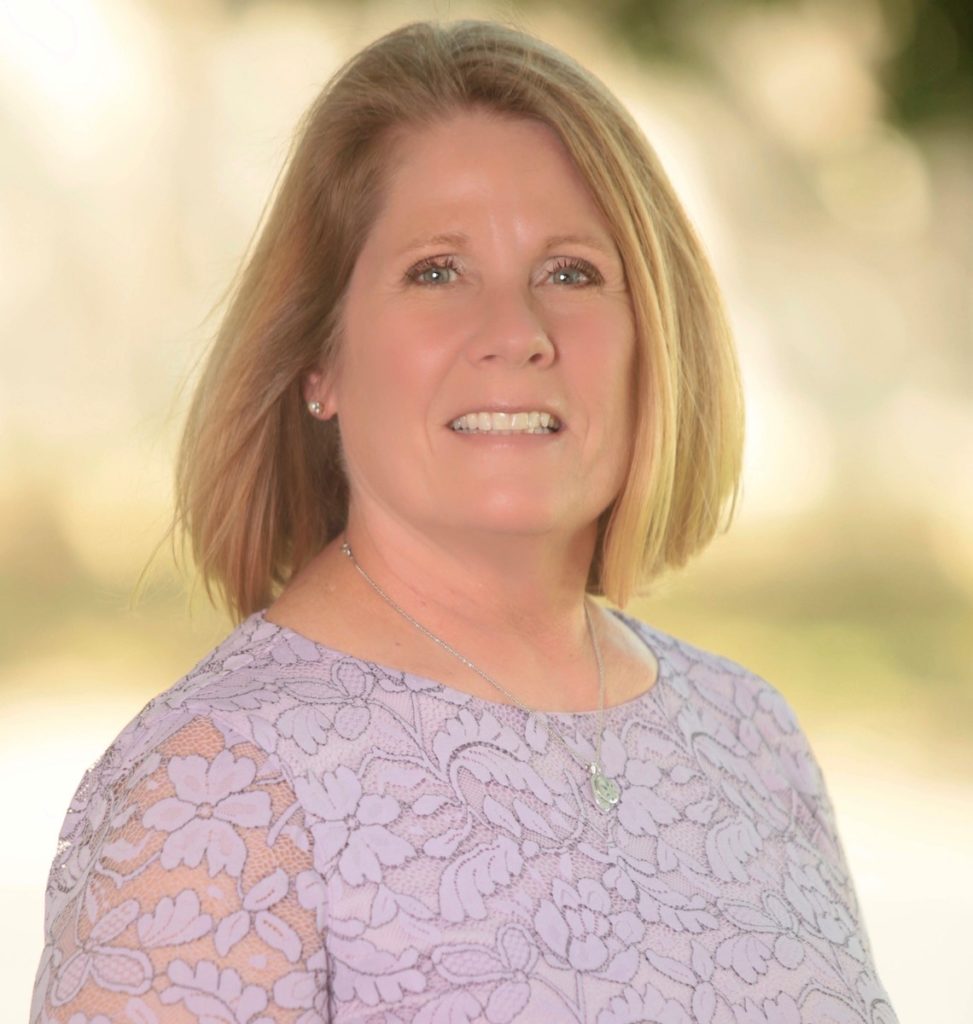
Susan Menninger Krause is manager of parks and rec facilities and programs for the City of Waco Parks and Recreation. Susan formerly was branch executive director at Waco Family YMCA.
The Act Locally Waco blog publishes posts with a connection to these aspirations for Waco. If you are interested in writing for the Act Locally Waco Blog, please email Ferrell Foster at [email protected].
By Susan Menninger Krause
Did you know that walking is one of the easiest, least expensive, most accessible ways to improve your health?
Walking will help you maintain a healthy weight, lose body fat, improve cardiovascular fitness, strengthen bones and muscles, improve balance and coordination, and increase energy. It also can help prevent or manage conditions such as heart disease, stroke, high blood pressure, cancer, and type 2 diabetes. And walking can also improve your mood, cognition, memory, and sleep.
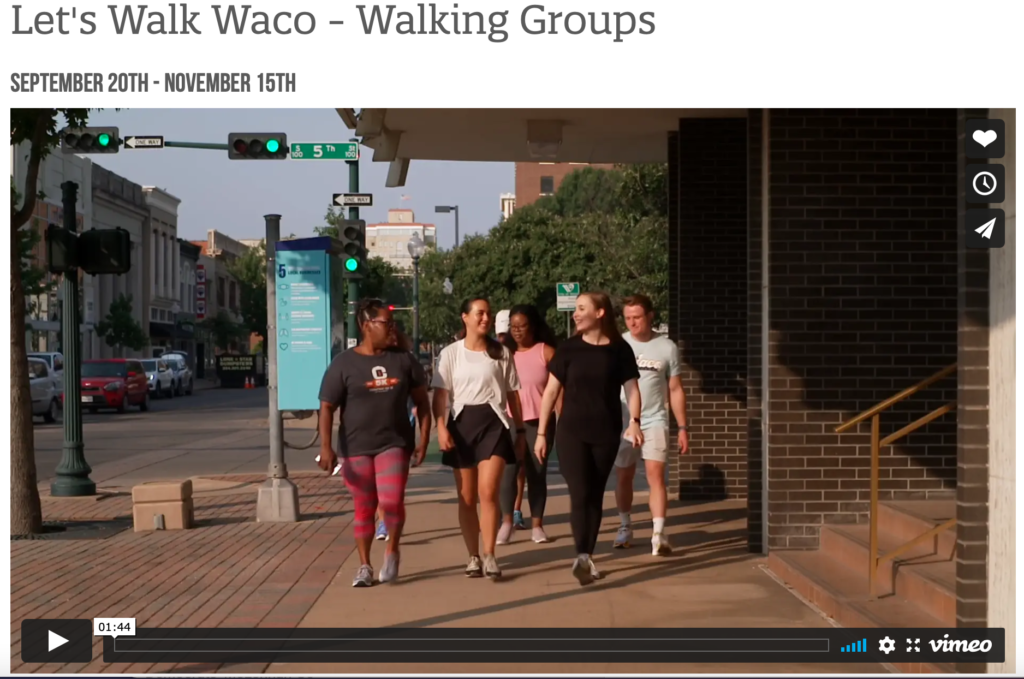
It’s not complicated. There’s no pressure. No elaborate or pricey equipment or memberships are necessary. You control your schedule, your distance, where you go, and who you go with. Just put one foot in front of the other and join “Let’s Walk Waco” this fall.
If you’re looking to start or continue your walking journey, join the “Let’s Walk Waco” community-wide challenge. This walking challenge is sponsored by the Live Well Waco Coalition and the Waco-McLennan County Public Health District. This free eight-week program begins Sept. 20 and runs through Nov. 15. Registration begins Aug. 30.
You can create a team of your friends, neighbors, family, or co-workers or join a team and get the chance to meet and make new connections. Anyone can join, and McLennan County residents who log their miles may win prizes along the way.
For information on how to register, create, or join a team, visit our website. There you will also find information about community center parks and indoor walking opportunities, City parks and trails, frequently asked questions, and other helpful tips and resources. Come join the fun and “Let’s Walk Waco.”
Susan Menninger Krause is manager of parks and rec facilities and programs for the City of Waco Parks and Recreation. Susan formerly was branch executive director at Waco Family YMCA. Before coming to Waco, she worked 16 years at Greater Joliet Area YMCA near Chicago. Susan holds a bachelor’s degree in English from the University of Texas at Dallas and a master’s degree in kinesiology from the University of North Texas. She and her husband, Ken, have two sons, Zachary and Tyler, both are in college.
Act Locally Waco also has an informal group of walkers called Waco Walks. There is more information on our Waco Walks web page.
The Act Locally Waco blog publishes posts with a connection to these aspirations for Waco. If you are interested in writing for the Act Locally Waco Blog, please email Ferrell Foster at [email protected].
Meraki Medical Associates LLP will begin offering COVID-19 vaccinations Friday, Aug. 20, at 1001 Dunbar Street in East Waco. The opening is planned in conjunction with August being National Immunization Awareness Month.

CEO Sophia Strother formed Meraki “to create access and awareness for communities of color in the East Waco,” she said. Meraki is Greek for doing something with soul, creativity, and love. “It’s important to always put something of yourself into what you’re doing, whatever it may be. We are a starting point for the sustained health of our community. We will be known for our compassion and ability to provide services to everyone we encounter with meraki.”
Strother is passionate about helping communities of color fight against COVID. After having over 10 family members directly affected by the virus, she decided she needed to take action. Partnering with Living Word Church of God in Christ, Meraki is set to open its clinic Aug. 20 to provide community-focused health awareness on the importance of vaccine-preventable diseases. It will provide vaccination clinics and educational opportunities statewide that will target underserved communities and special populations.
Meraki is at 1001 Dunbar St., Waco. This building has housed Living Word Church of God in Christ, Meals on Wheels, and Community Food Pantry for all of 20 years. Meraki believes “every person deserves an opportunity to be given a health experience that inspires them and enhances their quality of life. The team hopes to partner with other faith-based organizations, community organizations and corporations to administer vaccinations to individuals 16 years and older.” Sophia is passionate about helping others through faith, knowledge, and resources.
Aug. 20 Events at Meraki
11 a.m. – 11:30 a.m. – Tour
11:30am – noon – Press Conference
Noon – 2 p.m. – Vaccination Clinic
Strother also owns a logistics company and was recently featured on HGTV’s “40 Year Old Property Virgin.” Connect with Sophia online here.
The Act Locally Waco blog publishes posts with a connection to these aspirations for Waco. If you are interested in writing for the Act Locally Waco Blog, please email Ferrell Foster at [email protected].
By Suzii Paynter March
There is no avoiding a crisis; chaos can come in all sizes. Everyday good people are faced with unimaginable bad luck, disasters, break downs, unexplainable confusion, desperation and violence. But none of these should be the last word on anyone’s life.
The worst thing that happens to you should not define you. But all too often, a crisis and the chaos it brings, changes everything and every relationship in sight. What if every crisis ended up on your doorstep?
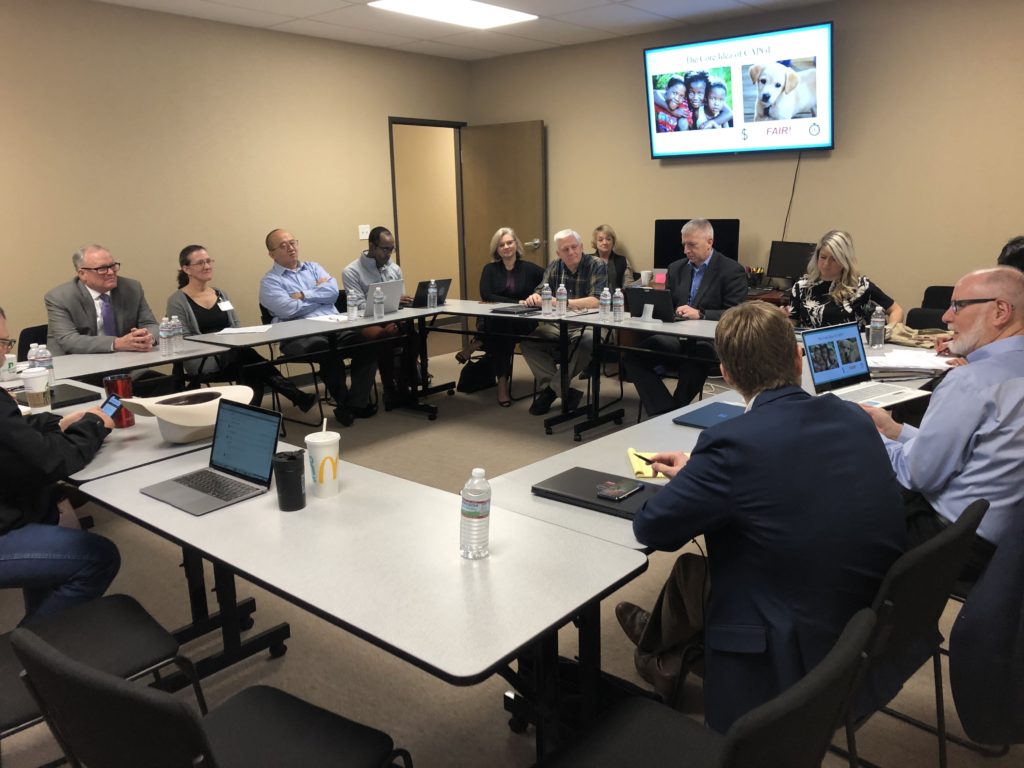
Waco needs a crisis hub. A crisis hub is a place that is a combined resource center that can help streamline decisions, bolster support, provide a smooth hand off, and share the load to help people in crisis avoid the chaos that can destroy themselves and their families.
Right now, mental health professionals, medical personnel, City of Waco, and McLennan County leaders are working toward building the right team to respond to overwhelming crises and build a place for Waco to have a crisis hub. Responding to the kinds of personal crises that can bring harm to self and others and finding the way out of chaos takes a team.
Through the leadership of the Prosper Waco working group, the Behavioral Health Leadership Team, the Board of MHMR, and the advice of other communities who have also tackled this problem, Waco is retooling to minimize the chaos that wreaks havoc on friends, family, and neighbors. Bringing existing resources together matters, and it multiplies the effectiveness of intervention.
The number of people in crisis and the intensity of the crises grow month by month. One frustrated man in crisis described Waco as a pinball machine – “I know I need help, but all I can do is bounce around town or be drunk or violent. Can’t somebody catch me on the bounce. I know I need help?”
Teams in a crisis hub can function together to avoid duplication of efforts; they can minimize missed opportunities and promote persistence; they can support each other in the very hard work of helping people climb out of chaos and find hope. A crisis hub team can find steps toward solutions JUST because they are together and can bring many talents to bear all at once. Concentrating services helps the person in crisis and it helps sustain the strength of the professionals working together, too.
When is the sum greater than its parts? When a small group of caring, talented people step in together to tackle chaos and come out the other side with hope. I would not know what to do if the crisis were on my doorstep, but I can be part of the solution by supporting the team that is building the Waco Crisis Hub.

Suzii Paynter March is chief executive officer of Prosper Waco.
The Act Locally Waco blog publishes posts with a connection to these aspirations for Waco. If you are interested in writing for the Act Locally Waco Blog, please email Ferrell Foster at [email protected].
By Suzii Paynter March
Once upon a time a city on the Brazos decided to settle into a system of confusing and expensive organizations and barriers that made it hard for citizens to get health care. It worked.
In Brazos Town, more than 4,500 people now visit the two hospital emergency rooms every year — the most expensive and least consistent care in town. Better yet, more than 1,000 people visit the emergency rooms 4-12 times a year, and these are not the true frequent flyers.
In Brazos Town, if you have a seriously disabled child born and cannot cover the astronomical cost of their essential care, you can wait six years for your child to be eligible for state insurance services.
The base for most insured folks are employers. Some employers offer health insurance — at least to their full-time employees. Other employers, however, thought insurance was getting too costly for their budget, so they started hiring more and more part-time workers who are not eligible for coverage. The employer saves money, the health of the community suffers.
“We added 100 new jobs!” They cheer. “So great for Brazos Town!”
Others remind us that 50 full-time employees lost health insurance for themselves and their families.
So more people go without Insurance even while working. If you do not have a good full-time job and an employer with health insurance for you, you can apply for lower cost state health insurance, but to do so you will have to quit your job, lower your income to less than $400 a month, sell your car (no assets allowed for eligibility) and re-apply every six months. Of course, this state insurance is available only if you are a child, disabled, the mother of an infant, or pregnant. Single? Working for $400 per month? Without kids? Nevermind.
Caring for the record number of uninsured people becomes a problem. A program is started in Brazos Town to train 12 doctors a year. It is as if someone said, “Let’s put the burden of caring for all these folks on these trainees!“
Three classes at a time were in town, and this team of doctors in training and other training colleagues set up clinics where they practice for their training and care for Brazos Town folks for some services. There are waiting lists for services and referrals to specialists from these clinics, and some specialists are available only for those with insurance from employers or every six months from the state.
The hospitals, the City, and the County budgets all chip in to help pay for the clinics and the the doctors in training, but these clinics that started out for training are busting at the seams and costs are growing every month. Fundraisers cannot raise enough money. And the City, County and hospitals have their own health-related costs, too, like emergency services, the county health office, epidemiologists for deadly pandemics, and programs for special populations.
Last year, Brazos Town endured the pandemic like every place else. Some predictable outcomes showed that people worked together and pulled together, but the toolbox for services to everyone was exhausted, as were the health care professionals trying to serve Brazos Town.
Sometimes there is wisdom in the right question: One 10-year-old child said to her mother at 8 p.m. after a day in the emergency room, “Mama, can’t we have a simple way to fix my asthma that doesn’t go to the ambulance place?”
“No,“ Mama replied. “This is the Brazos Town way.”
(Brazos Town, all these incidents and more have come across my inbox this year.)
Suzii Paynter March is chief executive officer of Prosper Waco.
The Act Locally Waco blog publishes posts with a connection to these aspirations for Waco. If you are interested in writing for the Act Locally Waco Blog, please email Ferrell Foster at [email protected].
By Kelly Craine
The Texas Healthy Communities program recognizes Waco-McLennan County Public Health District for conducting a community assessment designed to evaluate current policy, systems, and environmental strategies and public health practices proven to reduce risk factors for cardiovascular disease, stroke, and other chronic diseases.

The THC program assists communities to assess their existing environments, implement changes in local environmental and policy infrastructure, and adopt priority public health practices to reduce risk factors for cardiovascular disease, stroke, and other chronic diseases. Based on outcomes of the community assessments, The THC program recognizes best practices being advanced within a community’s local jurisdiction.
The following communities were recognized at the Gold, Silver, Bronze, or Honorable Mention levels in fiscal year 2021:
• Gold Level: N/A
• Silver Level: Harris County, McLennan County, Travis County
• Bronze Level: El Paso County, City of Houston, Victoria County, Wichita County
• Honorable Mention Level: Brazos County, Lamar County, Taylor County
Communities are assessed on eight indicators to determine recognition as a Texas Healthy Community. Environmental indicators include designated areas for physical activity, healthy eating options, mother-friendly worksites, and evidence-based community supports for healthy aging. Policy indicators include smoke free ordinances, EMS systems with appropriate acute stroke treatment protocols, and an emergency response action plan.
More information about the THC program can be found on the Texas Department of State Health Services website or by contacting THC Program Coordinator Nneka Shoulds by email at [email protected].
Kelly Craine is communications lead for the Waco-McLennan County Public Health District.
The Act Locally Waco blog publishes posts with a connection to these aspirations for Waco. If you are interested in writing for the Act Locally Waco Blog, please email Ferrell Foster at [email protected].
By Paula Rivadeneira
Mike Gray, canine behavior and enrichment specialist with the Humane Society of Central Texas, has a big job on his hands making sure every shelter dog gets the exercise and enrichment they need each day. He depends on volunteers who come to the shelter to help run dogs to their daily playgroup activities every morning.
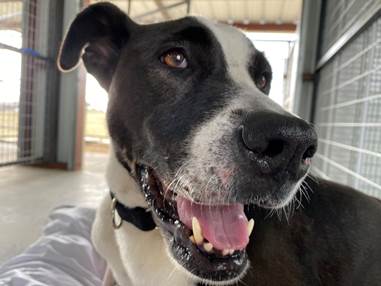
While dogs love playgroup and have shown huge improvements in their behavior and adaptability with regular participation, one-on-one interaction with humans in normal everyday activities is also critical in managing kennel-related stress and anxiety. Studies have shown that when a dog goes on a day trip from a shelter, their stress levels decrease and they sleep better. That’s why HSCTX promotes Doggy Daycations in which volunteers can pick up a shelter dog, take them out on the town, enjoy some snacks, have a walk in the park, or even cuddle at home on the couch. At the end of the day, the dog comes back to the shelter more relaxed.
With so many dogs needing high levels of exercise and enjoying Doggy Daycations, Mike came up with the idea of Alpha Dog Academy. The goal is for people who walk, run, or hike to pick up a shelter dog on their way to their activity, and HSCTX will track their miles for a friendly competition between gyms.
There are four local gyms as well as a local running company, with members now signed up to participate — JR Crossfit, Train Waco, Anytime Fitness, 15:10 Crossfit, and Waco Running Co. Each month the miles will be totaled, and the winning gym will get to hold onto a huge trophy that was generously donated by Warren’s Engraving. Each month, the winning gym’s name will be engraved on the trophy.
Participants will undergo a short training about expectations and dog handling before their first session, and a Pet Matchmaker will pair them with the dog that matches their energy level and goals. Dogs can be picked up 9 a.m.-3 p.m. Monday-Saturday, and they will be returned to the shelter by 5 p.m. This gives dogs an excellent opportunity to get out their energy, socialize, and be exposed to potential adopters while serving as an exercise buddy and motivator to the volunteers.
Plus, there are added benefits to exercising with a dog, including the increased safety it provides and the good feelings that come from working out for a cause.
Sign up for Alpha Dog Academy here. If you are not affiliated with a gym, don’t worry! Individual participants are welcome to join, too.
The Humane Society of Central Texas, 2032 Circle Road, is open 1-6 p.m. Monday, 11 a.m.-6 p.m. Tuesday-Friday, and 11 a.m.-5 p.m. Saturday. The last meet-and-greet is 45 minutes before closing. Staff must accompany guests through the kennels, and COVID precautions are observed. Bring your own dogs and everyone who lives in your household to the meet and greet so your family can be matched with the perfect pet.
The Humane Society of Central Texas advocates for the animals at the City of Waco Animal Shelter; provides adoption, rescue and foster opportunities; and offers community education regarding responsible pet ownership. The partnership between HSCTX and the City of Waco Animal Services, along with the support of the community, has resulted in a current average live-exit rate above 90%, giving the Waco Animal Shelter No-Kill status.
Paula Rivadeneira, Ph.D., is executive director of the Humane Society of Central Texas.
The Act Locally Waco blog publishes posts with a connection to these aspirations for Waco. If you are interested in writing for the Act Locally Waco Blog, please email Ferrell Foster at [email protected].
By Charles Williams
The Texas and U.S. economies are surging along with the confidence of U.S. consumers as COVID-19 vaccines flood the nation. But the persistence of the coronavirus makes the recovery fragile.
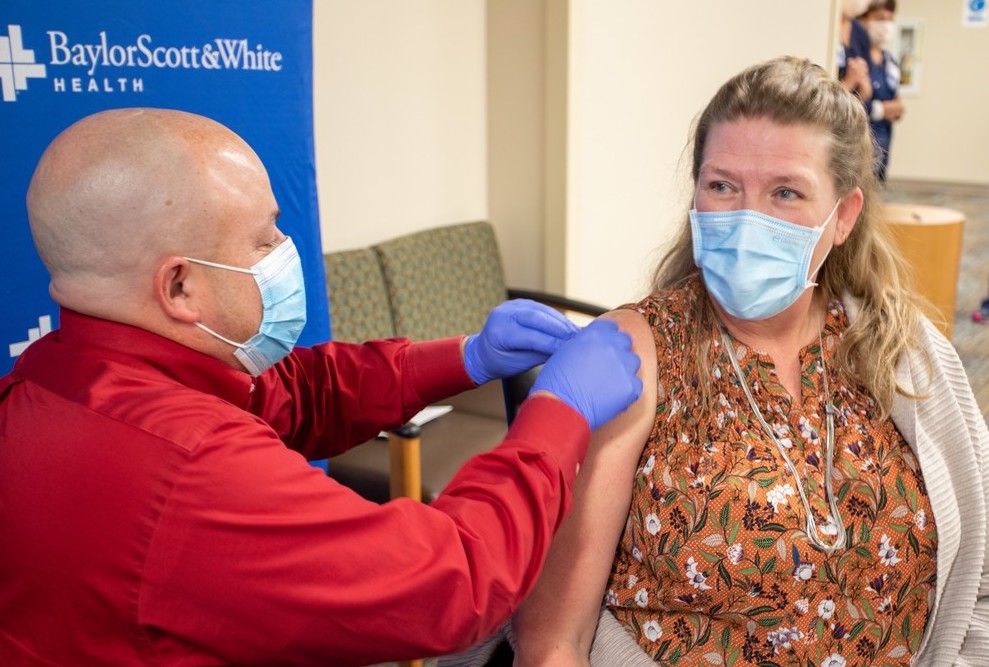
The pace of the U.S. economic recovery in 2021 hinges on the pace of COVID-19 vaccinations.
The general business activity index, which reflects the net share of Texas executives saying conditions improved or worsened, hit an all-time high in April for services companies. Manufacturers’ confidence spiked, too.
In the Texas services sector, indexes on general business activity and company outlook rose to their highest levels since the survey began in 2007. Among manufacturers, indexes for new orders and growth in orders climbed to their highest readings in the history of that survey, according to the Federal Reserve Bank of Dallas.
“All the stars are aligning to have a great recovery,” Luis Torres, research economist at the Texas Real Estate Research Center at Texas A&M University told The Dallas Morning News. “The economy is going gangbusters and the [Dallas Fed] forecast calls for recovering all the lost jobs [in Texas] by the end of the year.”
Texas Comptroller Glenn Hegar recently issued a revised revenue estimate that gives lawmakers several billion more dollars to spend as they wrap up the next state budget. Hegar cited improved performance of the state economy as COVID-19 restrictions began to be lifted over the past two months and immunizations improved consumer confidence. In a letter to Gov. Greg Abbott, Lt. Gov. Dan Patrick, and Speaker Dade Phelan, Hegar said he is optimistic about economic growth because of the rollout of COVID-19 vaccinations in Texas and reopenings of businesses in the state and elsewhere in the U.S.
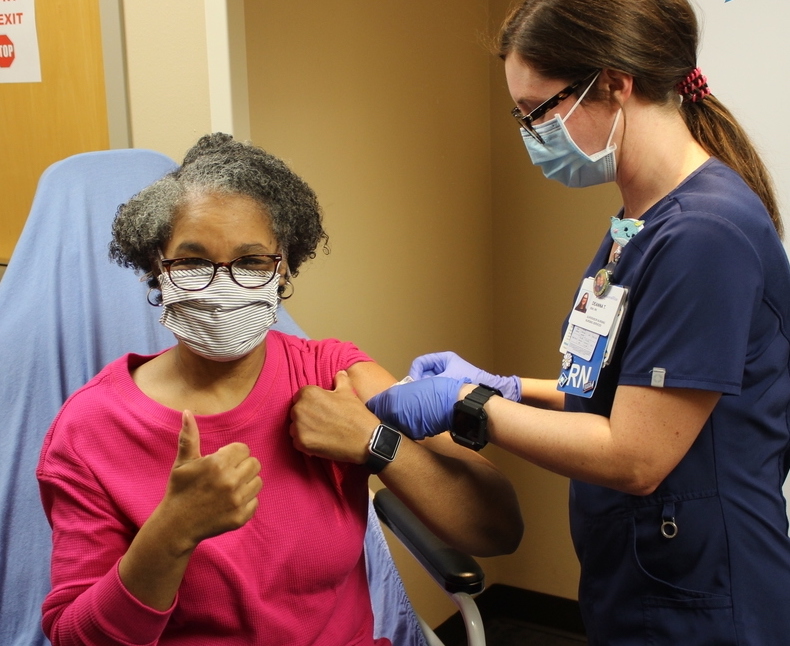
Nationally, the economy expanded rapidly in the first quarter at a torrid 6.4% annualized rate. Personal consumer spending rose at an equally impressive annualized rate of more than 10%.
Our local area is also participating in the recovery. McLennan County sales and county use tax was up 1.6% in April and 7.7% year-to-date. Waco specifically is up 2.6% year-to-date. Many Texas cities and counties are running deficits compared with last year’s figures.
Despite this, nearly a quarter of U.S. adults say they would still avoid shopping at local businesses or dining inside restaurants after being vaccinated, according to a new national survey by YouGov on behalf of Bankrate. But the economy can’t fully recover until consumers do what they do best in America: buy freely what they want or need.
The key to full return of the local economy is residents’ confidence: How vulnerable am I if I venture out to shop or return to the workplace? How contagious are my neighbors and friends?
Herd immunity — the rate at which enough people become immune to a disease to make its spread unlikely — may be an unattainable goal, experts say. However, the only sure answer is to vaccinate as many people as we can.
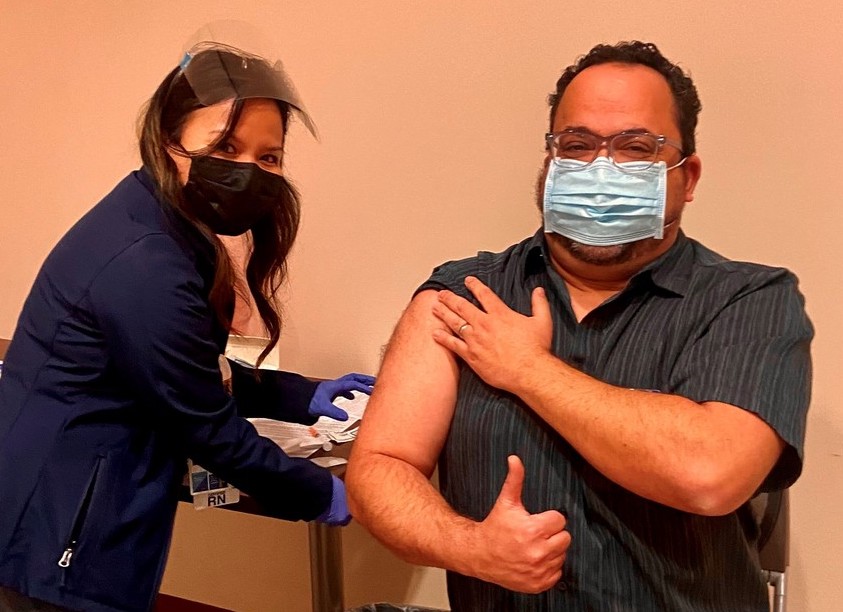
As of May 6, only 24% of McLennan County residents were fully vaccinated. Compare that with the Texas rate of 29% and the U.S. rate of 33%. A CDC assessment looking at hospitalizations in two U.S. hospital networks covering 24 hospitals in 14 states has found that fully vaccinated adults over the age of 65 are 94% less likely to be hospitalized with COVID-19 than unvaccinated adults in the same age group.
Encourage your friends, coworkers, and neighbors to get vaccinated. As more and more acquaintances become vaccinated, hesitancy and resistance will continue to melt. That leads to more consumer confidence and fuels the local economic recovery.
A free online MyBSWHealth account is the easiest way for Waco area residents to schedule vaccine appointments at Baylor Scott & White Health. There are also walk-in appointments available.
Right now it is time to roll up our sleeves and engage our communities to increase vaccination. The health of our community and our economy depend on it.
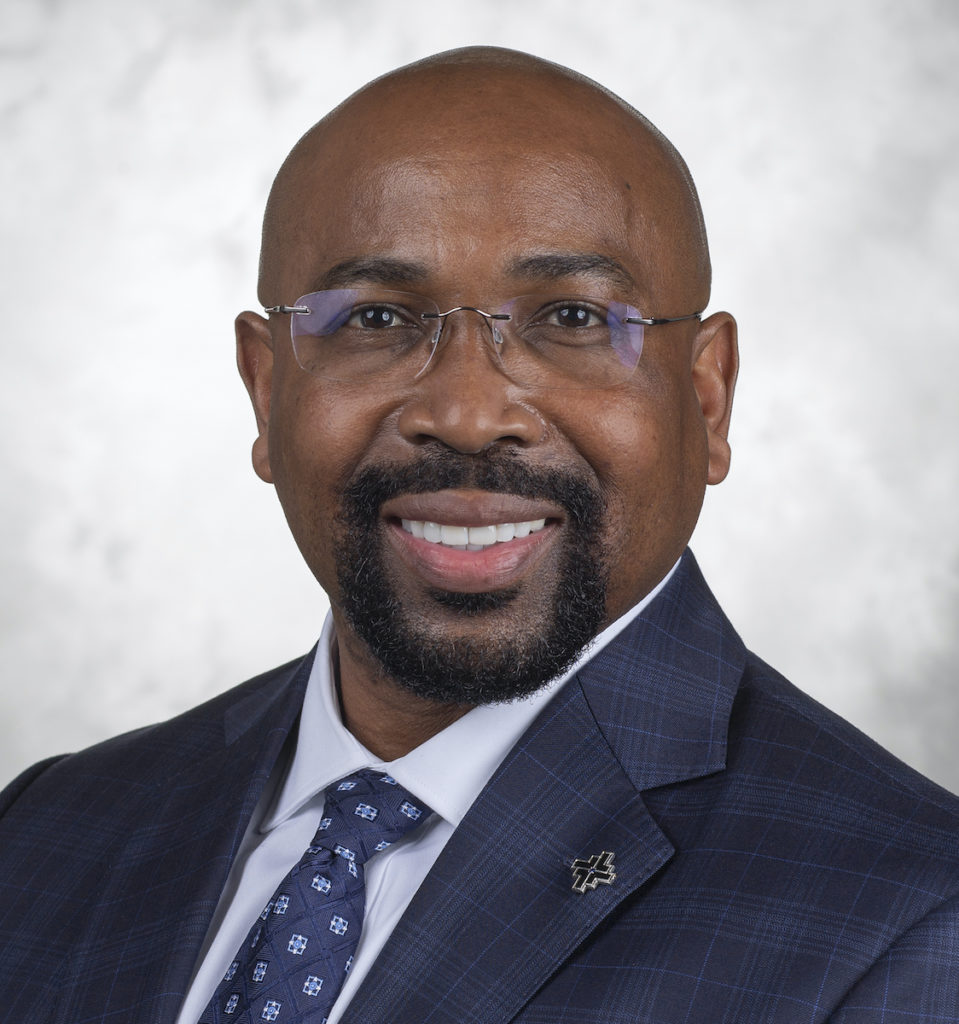
Charles Williams joined Baylor Scott & White in January 2021 as president of BSW – Hillcrest in Waco. Prior to that, he served as president and CEO of Regional Medical Center of Orangeburg & Calhoun Counties in Orangeburg, S.C. Charles is no stranger to Texas, having spent most of his life in the Dallas-Fort Worth metroplex.
The Act Locally Waco blog publishes posts with a connection to these aspirations for Waco. If you are interested in writing for the Act Locally Waco Blog, please email Ferrell Foster at [email protected].