Anyone interested in being appointed to fill the vacancy is encouraged to submit a letter of interest.
By Josh Wucher
During the July 22 meeting of the Waco ISD Board of Trustees, Allen Sykes announced that he plans to resign as a school board member as soon as his replacement is sworn into office. Sykes represents Waco ISD Trustee District 5, which includes the neighborhoods between Richland Mall and the lake as well as some areas near Baylor University. He was first elected to the board in 1999 and is the longest serving of the district’s current board members.
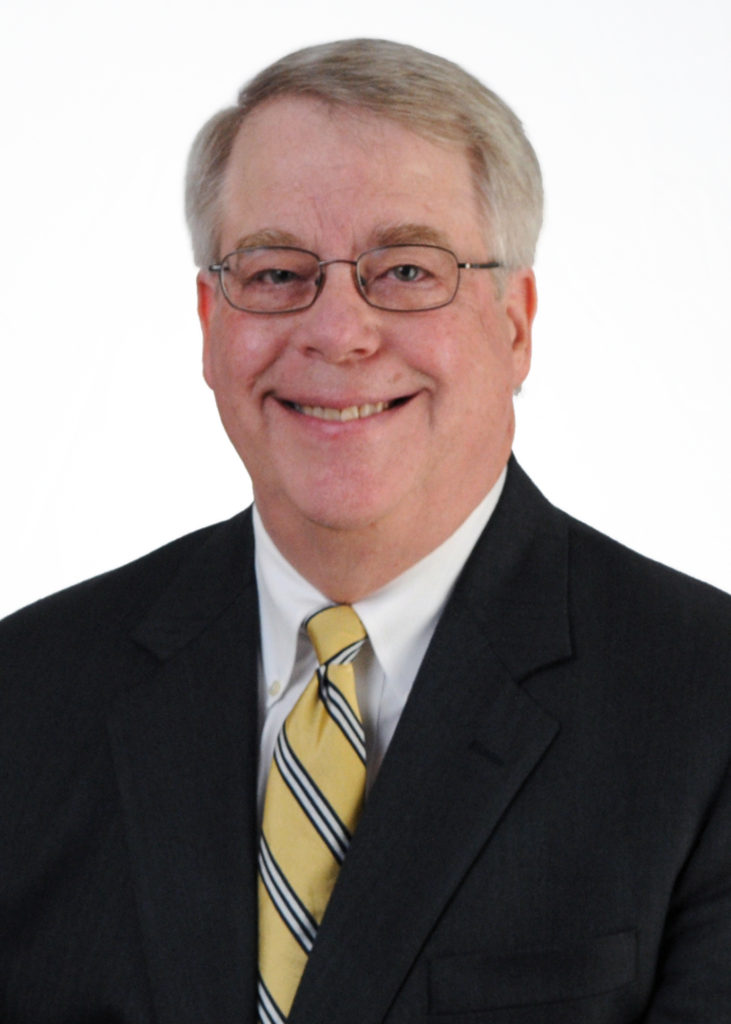
In a letter to fellow board members, Sykes wrote that the timing of his resignation was “based on other commitments making it increasingly difficult to allocate sufficient effort to fulfill the requirements entrusted to me.” He also noted his gratitude to the voters who elected him to represent them and his hope that making the announcement now will allow others who wish to serve the community to consider this opportunity.
Reflecting on 22 years of service, Sykes noted that the district has changed in meaningful ways since he was first elected. Among the changes that he highlighted was the construction of University High and the improvement of other campuses made possible by voter approval of a $172.5 million bond package in 2008.
Sykes’ announcement comes as the board is considering asking voters for approval of a $376.1 million bond package. Earlier this year, a community advisory committee recommended that the board consider replacing Waco High, G.W. Carver Middle, Tennyson Middle and Kendrick Elementary with new schools built in the same location as the existing campuses. The board will decide whether to call a bond election for November at their next meeting on Aug. 12.
“The bond election being considered at this time will have major impact on the Waco community, and I am in complete support of the broad scope as determined by the tireless work of the Community Advisory Committee,” Sykes wrote. “Under Dr. [Susan] Kincannon’s leadership, the district is well positioned to dramatically improve student performance with facilities aligned to promote achievement through well planned and designed learning environments.”
Board President Angela Tekell announced that the board will discuss filling the vacancy created by Sykes’ resignation at their meeting on Aug. 12. Sykes’ current term ends in May 2022, and the board can appoint a replacement to serve through the end of the term, call a special election to fill the vacancy until that time, or leave the vacancy unfilled until May 2022 when voters will elect someone to a new three-year term representing District 5.
Anyone interested in being appointed to fill the vacancy is encouraged to submit a letter of interest describing their qualifications and why they want to serve on the board to the board president no later than Aug. 23. Letters can be delivered to the Waco ISD Administration Building, 501 Franklin Ave, Waco, TX 76701. They can also be emailed to [email protected].
To be eligible to fill the vacancy, an individual must be registered to vote, be a resident of the state of Texas for at least one year, and be a resident of District 5 for at least six months. A map of the trustee districts can be found online at wacoisd.org/trusteedistricts
“Allen has been a thoughtful voice for our students and employees for more than two decades,” Dr. Susan Kincannon, superintendent, said. “He has a remarkable legacy of service on this board and in our community. While Allen may be stepping down from the board later this year, I have no doubt that he will continue to make a difference in the lives of our students.”
A senior vice president at Extraco Banks, Sykes is a CPA by training. He also serves as the secretary of the McLennan County Appraisal District Board of Directors and a member of the Waco ISD Education Foundation Board of Directors. His wife, Jane, retired from Waco ISD earlier this year after 35 years as a teacher at Tennyson Middle and Parkdale Elementary. They have two adult sons, who are Waco High graduates.

Joshua Wucher is Waco ISD’s executive director for communications.
The Act Locally Waco blog publishes posts with a connection to these aspirations for Waco. If you are interested in writing for the Act Locally Waco Blog, please email Ferrell Foster at [email protected].
From a release by Jennifer Marshall-Higgins
Out of 77 school districts across the 12-county education service area of Region 12, two outstanding educators have been selected for the top teaching award — the 2022 Region 12 Teachers of the Year. Krystle Moos of Midway High School is Secondary Teacher of the Year. James Cook of Cedar Valley Elementary in Killeen ISD is Elementary Teacher of the Year.
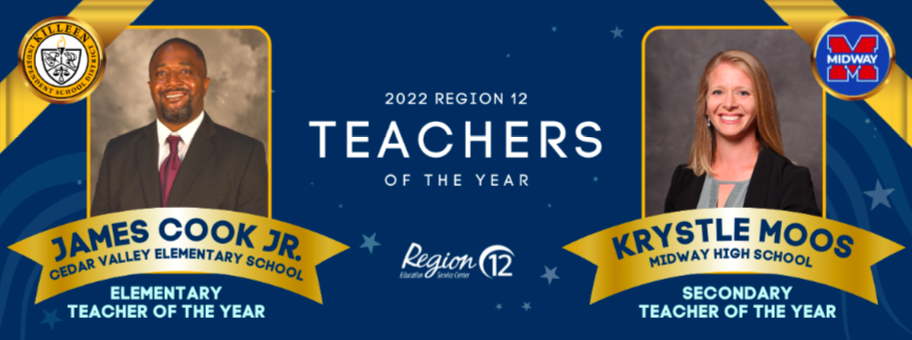
“We are extremely proud of these remarkable educators,” said Jerry Maze, Ed.D., executive director of ESC Region 12. “The time and energy they dedicate to their students, their peers, and the profession is truly an inspiration for others to follow.”
Krystle Moos has been teaching for 12 years, currently serving as a chemistry teacher at Midway High. She is also a professional learning community leader anda science fair and science UIL coach. Before joining the Midway Panthers in 2012, she was a teacher for Waco ISD.
“Mrs. Moos is unsurpassed in enthusiasm and motivation,” said Midway ISD Superintendent Dr. George Kazanas. “She is magnetic; the AP Chemistry program has tripled and flourished as students continue to flock to her classroom and excel in AP testing. Beyond academics, Mrs. Moos takes a sincere interest in connecting with each student. I could not ask for more from any educator. She is so deserving of this honor!”
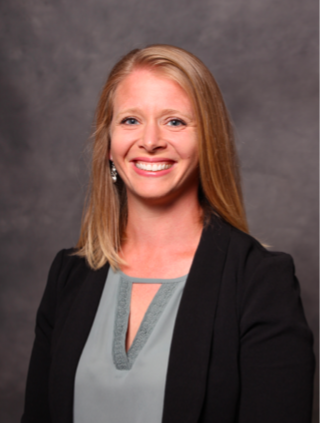
The daughter of a science educator, Moos began with a passion for uncovering the science in the world around her. She brings this passion into the classroom through hands-on lab experiments and lessons while building students’ confidence in working through complex concepts.
Inspired by her growth mindset, Moos emphasizes learning as a life-long process to master difficult topics. She encourages student growth through productive struggle and uses this principle to guide her chemistry lessons.
Moos creates and uses a positive environment to build relationships with students, help them celebrate small successes, and feel the support necessary to work through assignments. Knowing that students have different learning styles, she provides multiple opportunities to demonstrate learning, emphasizing understanding processes rather than only having correct answers.
Through these instruction practices, she sees students gain a deeper understanding of the content, motivation increase to solve problems — driving an increase in assessment scores, student engagement, and excitement.
Much to the credit of Moos, enrollment in advanced-placement chemistry has tripled over four years, with ongoing student-to-student mentorship that extends after high school. AP chemistry is now more diverse than ever before while maintaining AP exam scores above the global and Texas averages.
The impact she sees through her mentoring and student leadership in STEM and science activities encourages Midway students to keep pushing boundaries within each lesson to continue to inspire students in realizing their full potential.
Moos’s classroom culture encourages scientific inquiry and builds scientific interest, often transcending the classroom, crossing over to other subjects and programs. One example includes a program for students at the high school to mentor intermediate students to develop projects based on science-related issues.
Another example of her efforts to expand effectiveness across classes and grades includes her role in the growth of the district’s Advancement Via Individual Determination (AVID) program for high-achieving students from groups underrepresented in college. Moos learned that the program provides benefits for all students in every classroom and worked with the team to develop lesson formats for teachers to use in science classes that would benefit all students. This includes coaching science teachers in strategies, such as developing problem-solving journals and incorporating gallery walks of laboratory reports connecting, writing, collaboration, and reading in the laboratory investigations.
Moos is also a teacher leader for APTeach and works on the National Board for Professional Teaching Standards certification process. From leading worldwide professional development sessions to hosting pre-service teachers in the classroom, she hopes to inspire current and future education leaders and foster a classroom that embraces diversity in learning by celebrating the productive struggle for students.
Moos holds a bachelor’s degree in biology from Hartwick College and teacher certification in science. She is married to Scott Moos, an engineer at L3. They have three children.
As Region 12 Teachers of the Year, Cook and Moos will serve as nominees for Texas Teacher of the Year, which TASA will announce in mid-August. Also, the Region 12 Superintendent of the Year is Dr. Brandon Hubbard, Superintendent of Chilton ISD.
Jennifer Marshall-Higgins is director of customer & marketing services for the Region 12 Education Service Center.
The Act Locally Waco blog publishes posts with a connection to these aspirations for Waco. If you are interested in writing for the Act Locally Waco Blog, please email Ferrell Foster at [email protected].
By Suzii Paynter March
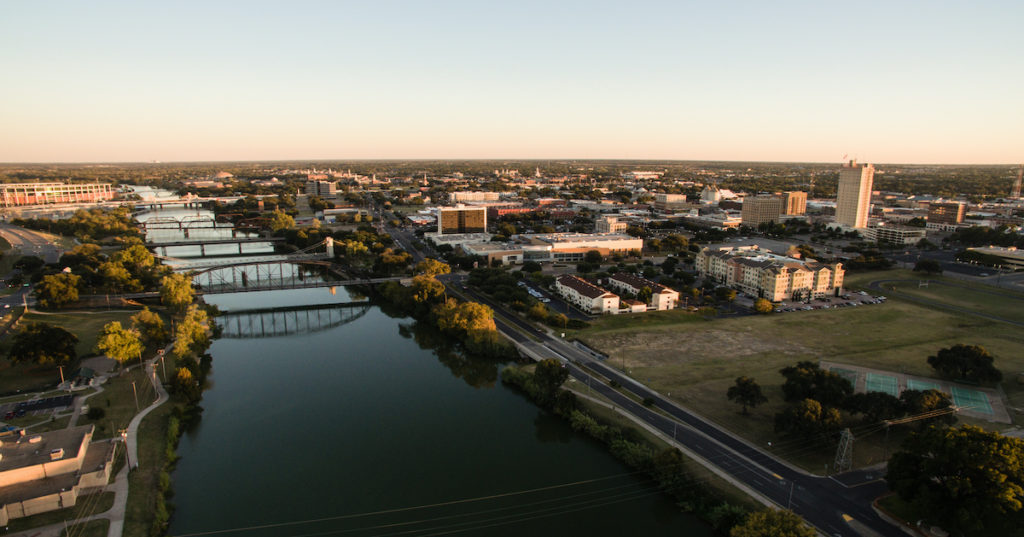
Once upon a time a city on the Brazos decided to settle into a system of confusing and expensive organizations and barriers that made it hard for citizens to get health care. It worked.
In Brazos Town, more than 4,500 people now visit the two hospital emergency rooms every year — the most expensive and least consistent care in town. Better yet, more than 1,000 people visit the emergency rooms 4-12 times a year, and these are not the true frequent flyers.
In Brazos Town, if you have a seriously disabled child born and cannot cover the astronomical cost of their essential care, you can wait six years for your child to be eligible for state insurance services.
The base for most insured folks are employers. Some employers offer health insurance — at least to their full-time employees. Other employers, however, thought insurance was getting too costly for their budget, so they started hiring more and more part-time workers who are not eligible for coverage. The employer saves money, the health of the community suffers.
“We added 100 new jobs!” They cheer. “So great for Brazos Town!”
Others remind us that 50 full-time employees lost health insurance for themselves and their families.
So more people go without Insurance even while working. If you do not have a good full-time job and an employer with health insurance for you, you can apply for lower cost state health insurance, but to do so you will have to quit your job, lower your income to less than $400 a month, sell your car (no assets allowed for eligibility) and re-apply every six months. Of course, this state insurance is available only if you are a child, disabled, the mother of an infant, or pregnant. Single? Working for $400 per month? Without kids? Nevermind.
Caring for the record number of uninsured people becomes a problem. A program is started in Brazos Town to train 12 doctors a year. It is as if someone said, “Let’s put the burden of caring for all these folks on these trainees!“
Three classes at a time were in town, and this team of doctors in training and other training colleagues set up clinics where they practice for their training and care for Brazos Town folks for some services. There are waiting lists for services and referrals to specialists from these clinics, and some specialists are available only for those with insurance from employers or every six months from the state.
The hospitals, the City, and the County budgets all chip in to help pay for the clinics and the the doctors in training, but these clinics that started out for training are busting at the seams and costs are growing every month. Fundraisers cannot raise enough money. And the City, County and hospitals have their own health-related costs, too, like emergency services, the county health office, epidemiologists for deadly pandemics, and programs for special populations.
Last year, Brazos Town endured the pandemic like every place else. Some predictable outcomes showed that people worked together and pulled together, but the toolbox for services to everyone was exhausted, as were the health care professionals trying to serve Brazos Town.
Sometimes there is wisdom in the right question: One 10-year-old child said to her mother at 8 p.m. after a day in the emergency room, “Mama, can’t we have a simple way to fix my asthma that doesn’t go to the ambulance place?”
“No,“ Mama replied. “This is the Brazos Town way.”
(Brazos Town, all these incidents and more have come across my inbox this year.)

Suzii Paynter March is chief executive officer of Prosper Waco.
The Act Locally Waco blog publishes posts with a connection to these aspirations for Waco. If you are interested in writing for the Act Locally Waco Blog, please email Ferrell Foster at [email protected].
By MCC Marketing & Communications
McLennan Community College is celebrating the success of students in the inaugural semester of the school’s newly launched debt-forgiveness program, the Highlander Restart Program. This new initiative aims to assist and provide resources for those former students who owe MCC money, want to re-enroll, and wish to complete a degree or certificate at MCC.
The program, which began in spring 2021, celebrates 97 returning students currently enrolled who have paid more than $38,000 in outstanding balances to the College. Nine students in the program who are now eligible to graduate this summer or fall semester.

To participate, students must be in good academic standing and not have been enrolled the previous year. Students owing $500 or less are eligible to enroll immediately with no payment due. Students with balances greater than $500 must make payments to lower the balance to $500 before becoming eligible to enroll.
Once enrolled in the program, students are responsible for the current enrollment cost, unless eligible for financial aid, and must take a minimum of six credit hours per semester while maintaining a 2.0 GPA on any new coursework. Additionally, students will complete financial literacy training and be matched with one of MCC’s success coaches to help guide them through to graduation.
The College is reaching out to an additional 5,600 former students that are eligible to benefit from the Restart Program in hopes of encouraging them to continue their education and earn their credentials. Former students interested in joining the program should complete the Highlander Restart Program form at engage.mclennan.edu/register/restart and a MCC representative will contact them.
For more information about the Highlander Restart program, visit mclennan.edu/restart.
The Act Locally Waco blog publishes posts with a connection to these aspirations for Waco. If you are interested in writing for the Act Locally Waco Blog, please email Ferrell Foster at [email protected].
She has served as an assistant principal and dean at the campus for 21 years.
By Kyle DeBeer
Waco ISD Superintendent Dr. Susan Kincannon announced Friday, July 16, that she has selected Lisa Saxenian as the next principal of Waco High School. For more than two decades, Saxenian has helped lead the campus as its dean of academies and an assistant principal.
“A generation of Waco High families know Lisa as someone who has made a difference in their students’ lives,” Kincannon said. “Her commitment to the campus, its students and our community is unmatched, and I am confident that she is the right person to lead Waco High forward.”

Saxenian joined Waco ISD as a Spanish teacher in 1986 and became the assistant principal of Lake Air Middle in 1996. She moved to Waco High in 2000 to serve as one of the campus’s assistant principals and became the school’s dean of academies in 2016. Saxenian was honored as the Region 12 Secondary Teacher of the Year in 1992 and as the Region 12 Assistant Principal of the Year in 2006.
Saxenian knows the Waco High building inside and out. In addition to serving as an administrator there for 21 years, she is a 1980 graduate of Richfield High, as the campus was known before Waco ISD consolidated high schools in 1986.
“Waco High is home for me in more ways than one,” Saxenian said. “As both a Richfield Ram and a Lion, I’ve seen the pride that our community has in this school. There is a team of educators here that goes to work everyday committed to helping kids excel, and I am honored to have the opportunity to lead them in service to our students.”
Saxenian becomes principal at a momentous time for the campus. Earlier this year, a community advisory committee recommended that Waco ISD replace the existing Waco High building with a new campus at the same location. The school board is currently weighing whether to ask voters to approve issuing bonds to fund the construction of a new Waco High and other facilities. That decision could come as soon as next month.
“Education has changed since Waco High was built in 1961,” Saxenian said. “Regardless of where they live or which high school they are zoned to attend, every student in our district deserves the same educational opportunities, including a modern learning environment.”
Saxenian succeeds James Stewart, who became the principal of Waco High in 2019. Stewart will become the dean of academies at University High.

Kyle DeBeer is chief of staff of Waco ISD.
The Act Locally Waco blog publishes posts with a connection to these aspirations for Waco. If you are interested in writing for the Act Locally Waco Blog, please email Ferrell Foster at [email protected].
She brings more than two decades of experience in educational leadership to the role.
By Josh Wucher
Waco ISD Superintendent Dr. Susan Kincannon has selected Dr. Josie Gutierrez as deputy superintendent starting in August. Gutierrez is now Waco ISD’s assistant superintendent for human resources. Prior to that, she was a consultant on educational leadership and held senior leadership positions in some of the largest school districts in Texas.
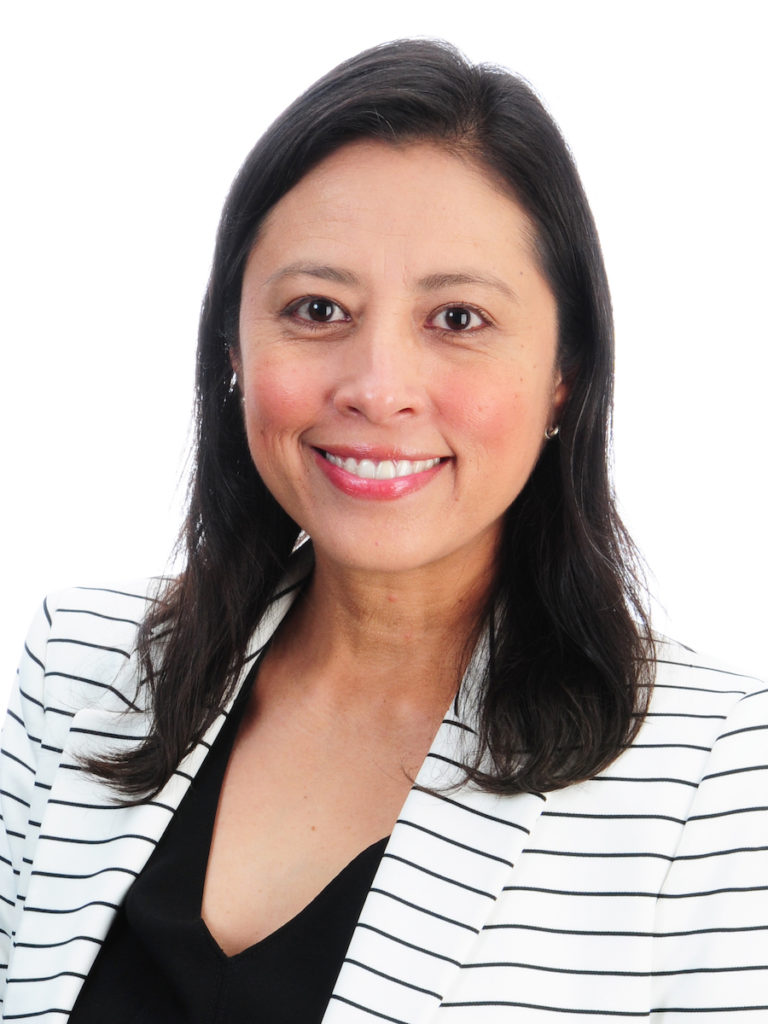
“We were fortunate to recruit someone with Josie’s experience to lead our human resources department,” Kincannon said. “In that role, she has worked closely with principals for the past two years supporting them as they recruit, develop and retain great teams to serve our kids. In her new role, Josie will work even more closely with our campus leaders to give them the support they need to make a difference for our students.”
As deputy superintendent, Gutierrez will provide leadership and direction for all Waco ISD schools, working closely with principals to ensure that their priorities are aligned with the district’s strategic plan. In addition to serving as the district’s senior administrator in the superintendent’s absence, she will oversee major projects that involve multiple departments.
Gutierrez is also one of three Waco ISD leaders who have been tapped to participate in the inaugural cohort of The Holdsworth Center’s school leadership pipeline program. The center’s materials describe the 18-month program as an effort to “build internal leadership capacity, with the end goal of having a strong bench of leaders ready to step into school leader positions when they arise.”
Gutierrez previously served as the chief of schools officer in Spring ISD, an assistant superintendent for school leadership in Dallas ISD, and as district steward and director of school leadership in Fort Worth ISD. Her consulting work has taken her across the country in support of the University of Virginia Partnership for Leadership in Education Program and the Woodrow Wilson MBA Fellowship in Education Leadership among other projects.
“I’ve worked in school districts across the state and around the country, but this community’s willingness to invest in making sure that every student has access to a great education stands out,” Gutierrez said. “That commitment became evident to me this past spring during the long-range facilities planning process. More than 60 parents, educators and community members spent five months studying our facilities needs. Their recommendations focused on addressing the all too dramatic differences in the condition of our school buildings in order to provide more equitable and modern facilities for our students – especially our middle school and high school students.”
Gutierrez has a doctorate and a master’s degree in education administration from the University of North Texas. Her undergraduate degree from Texas Christian University is in education. She holds current principal and superintendent certifications.
—-
The community advisory committee recommended that the district replace Waco High, G.W. Carver Middle, Tennyson Middle and Kendrick Elementary with new schools built in the same locations as those existing campuses. The committee also recommended renovating South Waco Elementary. Waco ISD’s school board is currently reviewing the committee’s recommendations and could decide as early as next month whether to seek voter approval to issue bonds to fund the projects.
Joshua Wucher is Waco ISD’s executive director for communications.
The Act Locally Waco blog publishes posts with a connection to these aspirations for Waco. If you are interested in writing for the Act Locally Waco Blog, please email Ferrell Foster at [email protected].
By Kim Patterson
In recent months, the Waco Tribune-Herald has featured two articles about struggling Waco nonprofits that are changing their business models to merge with larger, outside organizations to ensure their sustainability. While their missions remain the same, these changes in local leadership mark a major shift for these groups that have worked tirelessly to serve critical needs in our community for decades. These organizations are not gone, but reading about their situations still feels a little like a death, or at least a serious illness, in the family.
Do a quick Google search for “Nonprofits after COVID” and you’ll get a whopping 25 million results. For many, the fallout from the pandemic — closed businesses, skyrocketing unemployment, stay-at-home orders, eliminated fundraising events — has exposed cracks in the underpinnings of the usual ways of doing business for nonprofit organizations.

For those that provide direct services like food, clothing, and shelter, the pandemic spurred an increase in charitable giving but also a dramatic increase in need for services. For others that rely on fundraisers to fund operations, a return to in-person events brings hope but the stark realization that it may take years to return to “normal.”
It is indeed a new landscape for organizations that rely on fundraising to support their work, and it is fair to say that those who work in the nonprofit sector have faced a difficult and unpredictable year. Fundraising is a tough job even in the best of times. When times are hard like they have been, support from peers is essential.
To this end, the Central Texas Chapter of the Association of Fundraising Professionals is extending its hand to those who seek support with a membership event on Thursday, Aug. 12: Cocktails and Conversation. Anyone who works in the nonprofit sector is invited to learn more about this organization that meets monthly for networking, creative inspiration, and educational training.
Recent trainings have provided solid takeaways about “The Art of Making the Ask,” “Using Data for Successful Fundraising,” “Diversity and Equity for Nonprofits,” and “Virtual Fundraising Events.” Membership in AFP Global gives members access to resources and tools from top fundraisers from around the world, an online idea sharing platform, as well as the ability to pursue the Certified Fundraising Executive (CFRE) credential.
If you are a fundraising professional, executive director, staff member, or volunteer working in the nonprofit sector, please join us for Cocktails and Conversation 4:30-6:30 p.m. Thursday, Aug. 12, at One Day Bar in Downtown Waco. Reservations are encouraged, and the first 25 registrants will receive a ticket for a free drink. That covers the cocktails — and we guarantee the conversation will leave you feeling welcome, supported, and inspired to move your nonprofit organization forward in this new day.
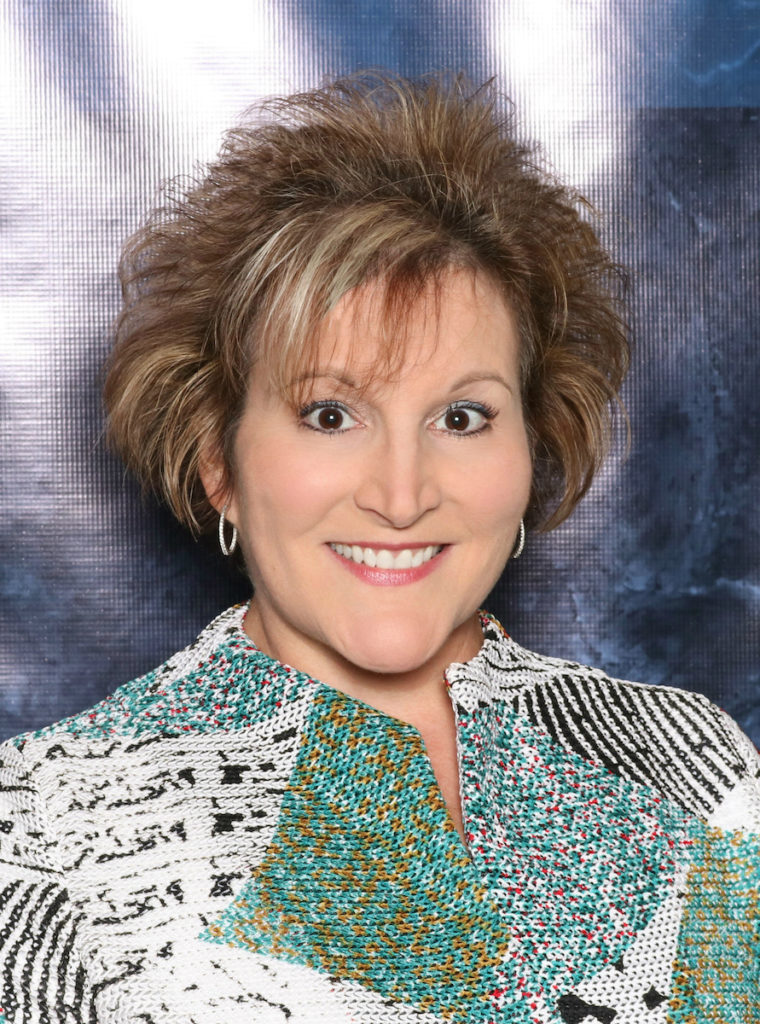
Kim Patterson is president of the Central Texas Chapter of the Association of Fundraising Professionals, and she serves as executive director of McLennan Community College Foundation and the Office of Institutional Advancement. Patterson is a graduate of Baylor University with undergraduate degrees in journalism and marketing and of Tarleton State University with a master’s degree in management and leadership. She and her husband, Frank, have two grown children and enjoy camping, fishing, and hiking.
The Act Locally Waco blog publishes posts with a connection to these aspirations for Waco. If you are interested in writing for the Act Locally Waco Blog, please email Ferrell Foster at [email protected].
Editor: Act Locally Waco is sharing a series of blog posts — Faith Doing Good — about local religious groups working in the community. These pieces were written by Baylor University students from the Department of Journalism, Public Relations, and New Media.
By Ashley Kim
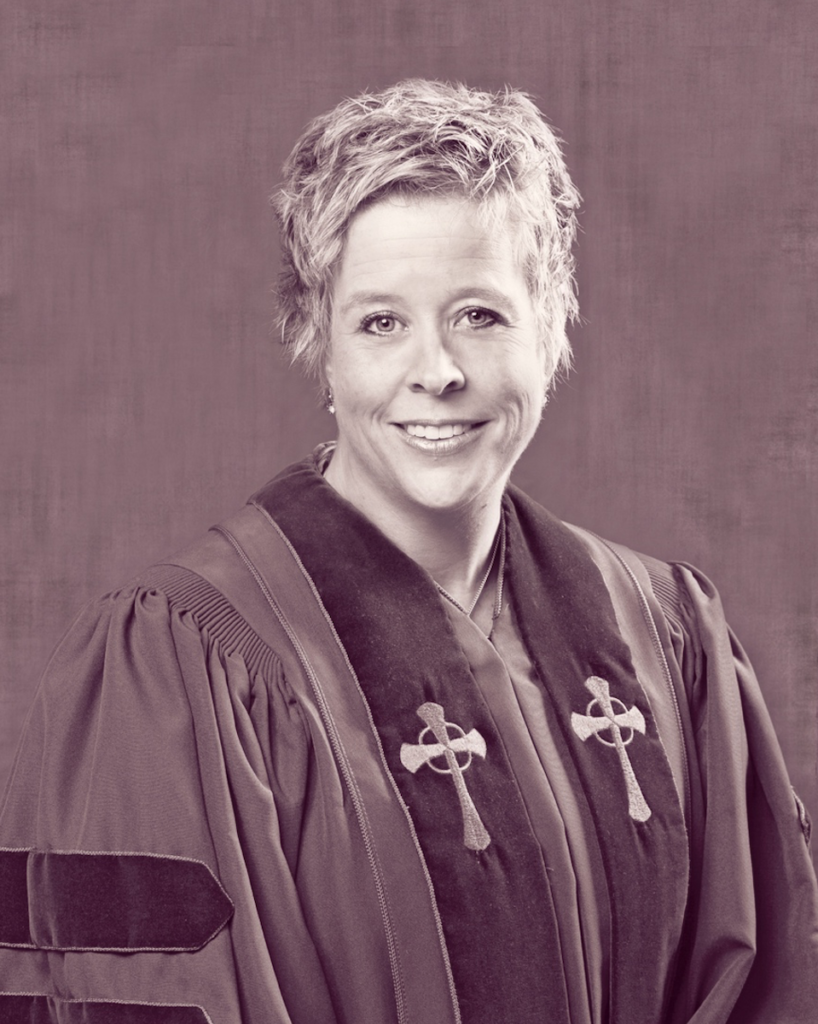
The Rev. Dr. Leslie King, pastor of First Presbyterian Church, explains how the church and the congregation is “doing good” in the city of Waco, which involves building relationships between the church and everything surrounding it.
“I think one of the things that we do is we really try to know ourselves,” King said. “First Presbyterian Church tries to honor all the churches that we’re in relationship with, but we try to be uniquely who we are. And one of the things that we’re pretty good at is inclusion and just sort of a radical hospitality.”
According to the First Presbyterian Church website, their mission is to believe deeply that people of faith are called to serve the wider community and neighbors, and they engage in this in several ways. Each Sunday, they begin worship by saying, “Welcome home, children of God.” They hope to live more fully into all that this simple but profound sentence means and calls them to do.
King believes part of “doing good” consists of being a person or a church that gives and receives. The church is also partnered with different entities, agencies, and projects that are around; entities like Caritas, The Cove, Compassion Ministries, and World Hunger Relief.
“I think the verb ‘doing’ would really have us emphasize sort of an old paradigm of mission, which is where we go out and do something for someone else that makes their lives better,” King said. “But of course, the emerging understanding is really, how is the church in relationship with the world around us. Do we know names and do people know our names and are we just being together? And I think that has a lot to do with the common good.”
First Presbyterian members decided to do worship this year in person and were intentional about an online platform that allowed for people to interact. While videoing services would have provided a more professional or polished look, they believed that one of the big components of worship is that people get to see and interact with each other.
“The first thing you have to do is really know yourself and to say this is who we are, and this is what we’re offering,” King said. “The Presbyterian faith also really values questions, and so we’re less concerned about telling people what to think and more interested in learning what people are wondering about. And helping people to do what people do really well, which is to, in the presence of God, make meaning in their life. And I think we do a decent job of that.”
First Presbyterian is involved in actively creating opportunities for the community and the congregation. Whether it be raising money for rent assistance for those impacted by COVID-19, providing outlets for mental health, distributing meals, partnering with organizations, or making their worship style more inclusive, First Presbyterian has done a lot for their community.
“When we do something for ourselves, we’re kind of thinking how we can also be doing something for the community at the same time,” King said.
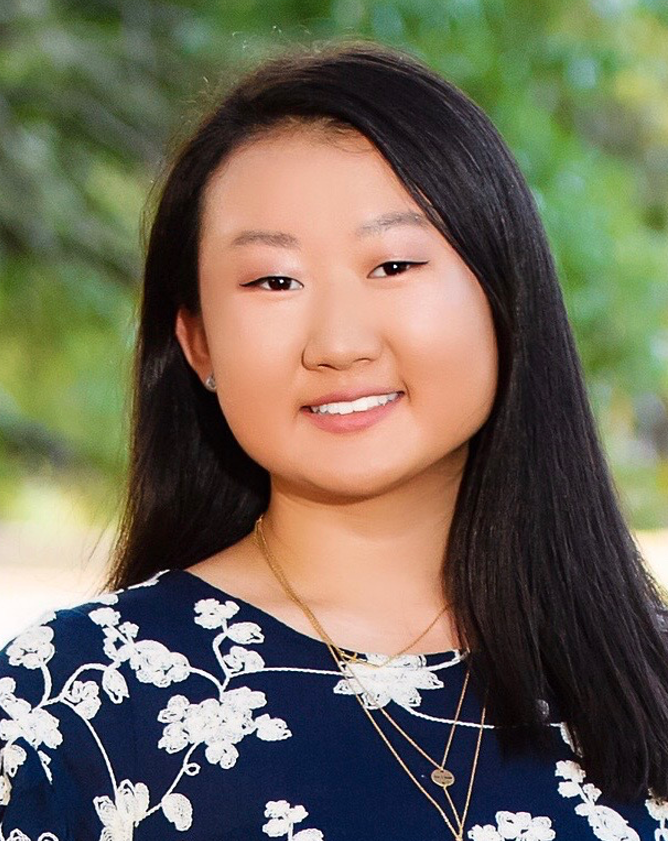
Ashley Kim, a sophomore Baylor student from Houston, is majoring in marketing with a minor in advertising.
The Act Locally Waco blog publishes posts with a connection to these aspirations for Waco. If you are interested in writing for the Act Locally Waco Blog, please email Ferrell Foster at [email protected].
Custodians and cafeteria workers will receive a $1,000 incentive for hard-to-fill positions.
By Josh Wucher
During Thursday night’s school board meeting, Waco ISD trustees unanimously approved a multi-year plan to pay classroom teachers $10,000 in retention. The district will use $8.1 million from the Elementary and Secondary School Emergency Relief grant to fund the bonuses over the next three school years.
“Considering the shortage of certified teachers throughout the State of Texas, it’s essential that we show our appreciation and encourage our best and brightest to stay in Waco ISD,” Superintendent Dr. Susan Kincannon said. “Getting our teachers in place, providing our students with stability is really important right now and we want our students to succeed.”
The retention bonuses are structured in tiered payments depending on teacher start dates. For teachers beginning this August, a total retention bonus of $10,000 will be divided into three payouts across December 2022, December 2023 and September 2024; for new hires starting August 2022, $5,000 will be divided into two payouts across December 2023 and September 2024; and new hires starting August 2023 will receive a one-time payment of $2,500 in September 2024.
“Our educators placed themselves on the front lines during this pandemic, and we have the funds to show that not only do we value our teachers, we want them to stay with us,” Board President Angela Tekell said. “These retention bonuses reflect the Board’s and district’s ongoing commitment to staying competitive in recruiting and retaining hardworking educators who are passionate about addressing our students’ academic and social emotional needs.”
The Board also approved an additional $500,500 in ESSER funding for retention bonuses for custodians and cafeteria workers. There will be three total payouts based on the employee’s years of service with the district: 0-4 years – $500; 5-9 years – $750; and 10+ years – $1000. The three payout dates are December of 2022 and 2023 and September of 2024.
“We average about 12-15 custodial vacancies and 35-40 cafeteria worker vacancies at any given time during the school year,” Kincannon said. “Though these positions are hard to fill, they are incredibly rewarding jobs for people who care about our kids and want to make a difference.”
Joshua Wucher is Waco ISD’s executive director for communications.
The Act Locally Waco blog publishes posts with a connection to these aspirations for Waco. If you are interested in writing for the Act Locally Waco Blog, please email Ferrell Foster at [email protected].
By Ferrell Foster
Fifteen months into my life as a Waco resident, I’ve discovered something new — local restaurant food inspection scores. It’s on the City of Waco website.

I ran across this when I saw a story about the scores on KWTX channel 10’s website. I do not totally understand why the scores in the KWTX report do not match up with scores on the city site for the same restaurant; I suspect it has something to do with the reporting day.
When it comes to restaurant scores, lower is better. On the city site there are many zeros (hooray!) and the vast majority have scores in the single digits (more subdued celebration).
The channel 10 report highlighted two Greater Waco scores of 90. Yikes! And the losers are: Burger King #3714 at 103 East Loop 340 in Lacy Lakeview and Cracker Barrel #166 at 4275 North IH-35 in Lacy Lakeview.
Wouldn’t it be nice if restaurants had to to post, in 12-inch lettering on their doors, their most recent score. You’re walking up to your favorite place, which has always in the past had a big “0” on its door, to find a “75.” Whoa! Better think before you open the door and spend your money. Thoughts: There is a new manager. Last time I was here the mashed potatoes didn’t seem right.
Well, restaurants do not have to post their numbers, but we can look them up online, so that’s pretty cool. (Of course, some people do not have Internet access, so they are at a disadvantage in getting this info. Inequities are real.)
I liked that channel 10, after outing the bad players, presented this week’s Clean Plate Award winner — Mamaka Bowls at 215 South University Parks Dr. in Waco, “which obviously got a perfect food inspection score.”
Mamaka’s has endless combinations, the TV station reports. “There are specialty ingredients such as almond butter, cacao nibs, coconut shreds, and spirulina, which is basically blue-green algae. Of course, if you like it plain and simple, items like The Mac with mango, strawberry, pineapple, orange juice, topped with the fruit and a little homemade granola could treat your taste buds right.”
Publicly posted restaurant inspection scores protect all of us from bad players and helps us find the good ones. There simply is no go way for consumers to know what’s going on in the kitchen without such scores. You can get some clues about the cleanliness of a restaurant from how it cares for it’s dining area and, especially, its restrooms. (I have a desire to visit a restroom before I order. Sometimes I regret I went after eating.)
Food is important. A big tip of the hat to the many, many restaurants who are working hard to keep it clean. We need to honor them with our dollars. There are options; we don’t have to do business with dirty eateries. Of course, I wish they would all earn a zero. That would be better for everyone.
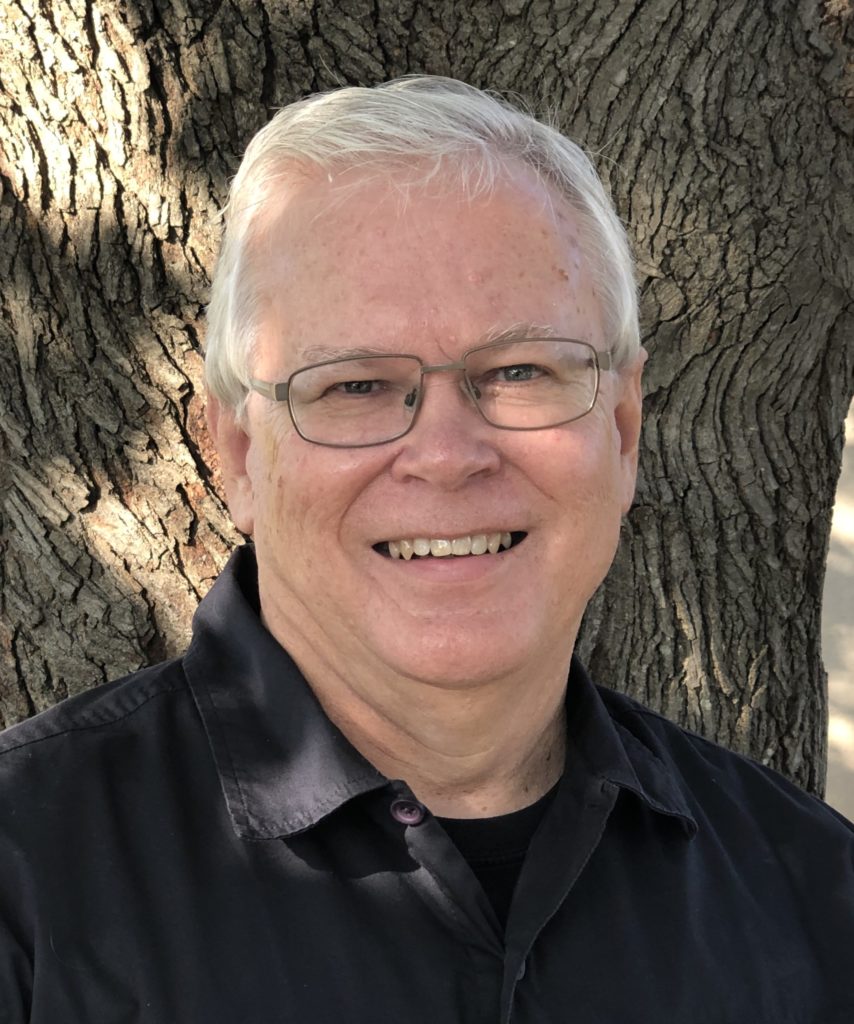
Ferrell Foster is acting executive director of Act Locally Waco and senior content specialist for care and communication with Prosper Waco.
The Act Locally Waco blog publishes posts with a connection to these aspirations for Waco. If you are interested in writing for the Act Locally Waco Blog, please email Ferrell Foster at [email protected].