By Kayla Gilchrist
Oftentimes, many people confuse COVID-19 and its risks with influenza (flu), believing they are relatively the same.
“It’s not that serious; it’s just like the flu.”
“Why can’t they find a seasonal vaccine for coronavirus like they did for the flu?”
“I’ve had the flu before so I’m pretty sure I can handle COVID-19.”
Although both COVID-19 and the flu share similar characteristics, such as both being contagious respiratory illnesses, they are caused by separate viruses which bring about some vital differences.
Coronaviruses are found in both humans and animals causing mild to moderate respiratory issues. COVID-19 is caused by a completely new coronavirus called SARS-CoV-2, which causes a more severe illness. The flu is caused by influenza viruses — completely different strands of viruses than coronaviruses.

Due to some of the symptoms of the flu and COVID-19 being similar, it can be difficult to tell the difference without testing to confirm a proper diagnosis. Because COVID-19 comes from an entirely new strand of virus (SARS-CoV-2), we are learning more and more everyday.
Given the best and most updated information from the Centers for Disease Control and Prevention, below are some key differences and similarities between COVID-19 and influenza.
Similarities
1. Common symptoms shared by both COVID-19 and the flu which range from asymptomatic (no symptoms) to severe are:
- Fever or feeling feverish/chills
- Cough
- Shortness of breath or difficulty breathing
- Fatigue (tiredness)
- Sore throat
- Runny or stuffy nose
- Muscle pain or body aches
- Headache
- Some people may have vomiting and diarrhea, though this is more common in children than adults
2. For both the flu and COVID-19, one or more days can pass before an infected person starts to experience signs of illness or symptoms.
3. It’s possible to spread both viruses up to 24 hours before showing any symptoms.
4. Both can spread between people within about 6 feet or from person-to-person contact through droplets made when an infected person coughs, sneezes, or talks. These droplets can reach the mouth, nose, or be inhaled into the lungs of someone nearby an infected person. Both viruses can also spread through physical touch (e.g. shaking hands) or by people touching infected surfaces then touching their face.
5. Both COVID-19 and flu pose the highest risk to:
- Older adults
- People with certain underlying medical conditions
- Pregnant women
6. Both COVID-19 and flu can cause these complications:
- Pneumonia
- Respiratory failure
- Acute respiratory distress syndrome (i.e. fluid in lungs)
- Sepsis
- Cardiac injury (e.g. heart attacks and stroke)
- Multiple-organ failure (respiratory failure, kidney failure, shock)
- Worsening of chronic medical conditions (involving the lungs, heart, nervous system or diabetes)
- Inflammation of the heart, brain or muscle tissues
- Secondary bacterial infections (i.e. infections that occur in people who have already been infected with flu or COVID-19)
7. Anyone with a high-risk of complications and/or who have been hospitalized for COVID-19 or flu should receive proper medical care.
8. Any and all vaccinations for COVID-19 and flu must be approved or authorized for emergency use (EUA) by the FDA.
Differences
1. If you have COVID-19, it could take longer to develop symptoms than if you have the flu — up to 14 days after infection. A person with the flu usually develops signs and symptoms anywhere from one to four days after infection. Unlike the flu, with COVID-19 you may also experience a change in or loss of taste or smell as part of your symptoms.
2. If you have COVID-19, you might be contagious longer than if you have the flu. Most people with the flu are contagious up to 7 days while those with COVID-19 can remain contagious up to 10 days.
3. COVID-19 is believed to be more contagious. It’s been observed to spread quicker and more easily to a wider range of people than the flu.
4. Children are more at risk for complications from the flu than from COVID-19, however the CDC states that “both infants and children with underlying medical conditions are at increased risk for both flu and COVID-19.”
5. School-aged children pose a higher risk of a rare but severe complication of COVID-19 called Multisystem Inflammatory Syndrome in Children (MISC).
6. Those with the flu will most likely recover in less than two weeks unless they develop complications, whereas recovering from COVID-19 could take up to two weeks and even longer should complications develop.
7. The flu has FDA-approved influenza antiviral drugs to treat it and multiple vaccines produced annually for prevention. Studies, including a study on an antiviral agent called Remdesivir, which is available under Emergency Use Authorization (EUA), are still in progress on how to prevent and treat COVID-19. The National Institutes of Health (NIH) developed a regularly updated guide on treatment of COVID-19 here https://www.covid19treatmentguidelines.nih.gov
Here are resources to use for what to do if you are sick with COVID-19 or the flu and how to prevent them:
https://www.cdc.gov/coronavirus/2019-ncov/if-you-are-sick/steps-when-sick.html
https://www.cdc.gov/flu/treatment/takingcare.htm
https://www.cdc.gov/coronavirus/2019-ncov/prevent-getting-sick/
https://www.cdc.gov/flu/prevent/index.html
Sources: https://www.cdc.gov/flu/symptoms/flu-vs-covid19.htm
https://www.ynhhs.org/patient-care/urgent-care/flu-or-coronavirus
https://www.hopkinsmedicine.org/health/conditions-and-diseases/coronavirus
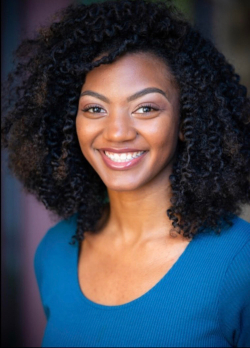
Kayla Gilchrist is an adventure-seeking, fun-loving, Christ-oriented, twenty-something with an extensive background in media and a knack for writing. She received her bachelor’s in communications with a minor in theatre arts from Prairie View A&M University. When she isn’t writing or managing social media accounts, Kayla enjoys acting, directing short films, delicious food, poetry, swimming, novels, and spending time with family and friends. She happily just joined the City of Waco team and is excited to use her skills as a helpful resource during the COVID-19 pandemic.
The Act Locally Waco blog publishes posts with a connection to these aspirations for Waco. If you are interested in writing for the Act Locally Waco Blog, please email [email protected] for more information.
By Craig Nash
A Hurricane Season Public Service Announcement. (Can also be used for tornado season, flood season, earthquake season, etc.): The best way to help during a disaster is to send money directly to an organization that is already doing work in the area affected by the disaster.
Don’t collect bottles of water to send to them. They know how much water they need better than we do and already have mechanisms in place for purchasing and distributing it. They just need money to buy the water.
Don’t collect food to send to them. They know who needs the food because they are there. They know what foods are appropriate. They know what types of food they are low on and what types of food they have too much of. Sending them unsolicited food complicates their work. They need money to buy the food.
They need the flexibility to spend the money on
- Diapers.
- Formula.
- Hardhats.
- Chainsaws.
- Pet Food.
- Assorted Clothes.
Purchasing or collecting these items to send makes us feel a lot better than sending money to a trusted organization. It makes us feel like we are actually doing something. But even though it feels better, it is far less helpful. Whether it is the Red Cross, Salvation Army, Texas Baptist Men, or a Feeding America Food Bank on the coast (for example South East Texas Food Bank), or a local church in a coastal town, there are organizations that know the needs and work day in and day out every day to hone and improve the processes for providing relief during a disaster. They can do a lot more with accumulated money than they can with accumulated bags of stuff. What they need is money.
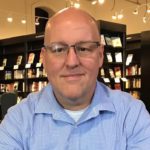
Craig Nash is regional manager for child hunger outreach at Baylor’s Texas Hunger Initiative. He enjoys talking and writing about Waco, country music, and faith. He blogs at 17dutton.com.
The Act Locally Waco blog publishes posts with a connection to these aspirations for Waco. If you are interested in writing for the Act Locally Waco Blog, please email [email protected] for more information.
By Becca Muncy
International Overdose Awareness Day is a global event that takes place on August 31 each year and aims to raise awareness of overdose and reduce the stigma of a drug-related death.
This year’s International Overdose Awareness Day in Waco will be hosted by the VASA (Voices Against Substance Abuse) Community Coalition, a program of VOICE (Viable Options in Community Endeavors), a nonprofit that teaches healthy living skills, including avoiding substance abuse. The event includes:
- Virtual overdose training from Baylor University’s Beauchamp Addiction Recovery Center (one session in the morning form 10-11:45 and one in the afternoon from 3-4:45)
- Food and refreshments from MHMR Substance Abuse Services from 1:00-6:00 PM at 2220 Austin Ave.
- NARCAN overdose reversal kits provided by Central Texas Harm Reduction, available at 2220 Austin Ave.
- T-shirts provided by Texas Harm Reduction Alliance, also available at 2220 Austin Ave.
- Referrals for free telehealth family counseling sessions for families affected by addiction
In addition to the trainings and activities listed above, the I-35 Interstate bridge near McLane stadium will also be lit purple in remembrance of those who have died or been injured by overdose.
In the United States, 67,367 overdose deaths occurred in 2018 (Center for Disease Control) and 70,980 occurred in 2019 (American Hospital Association). And with the COVID-19 pandemic, the rate of drug related deaths have risen by 18%, as people struggle with isolation and those who are in addiction recovery programs are cut off from their support systems (NPR). Now, more than ever, raising awareness of overdose, recognizing the signs of overdose, learning how to prevent or reverse overdose, and grieving with the loved ones of overdose victims is vital.
The main goal of International Overdose Awareness Day is to bring awareness and education to the community. Jessica Wheeler-Macias, Community Coalition Coordinator at VOICE, said it’s important for everyone to know the basics of overdose prevention and reversal, and that breaking down the stigma around discussions of overdose is an important step in spreading that knowledge. Breaking down the stigma includes breaking down the stereotypes of those affected by addiction or overdose. Wheeler-Macias said she wishes everyone knew that the issue of overdose doesn’t discriminate, and that there is no one type of person who will become a victim of overdose, as victims come from all walks of life. “It can be anyone,” Wheeler-Macias said, adding that family members didn’t create the disease of addiction that led to overdose.
Lily Ettinger, Assistant Director of Wellness of Recovery Services at the Beauchamp Addiction Recovery Center, stressed the importance of widespread education as well, saying, “Most people aren’t overdosing in professional settings… it’s in their homes and communities, so it’s important for everyone, not just first responders, to be empowered in knowing how to respond.” She also said something she wished more people knew about overdose prevention is that overdosing often isn’t as extreme as it’s shown in the media and that overdose deaths aren’t always instantaneous. She pointed specifically to opioid overdose, which can happen over the course of several hours, where “there is time available to save someone’s life.”
Ettinger has also seen the effect overdose education and overdose prevention has on overdose survivors, saying, “Their lives today aren’t the same as they were back then, but that’s because they were gifted the chance to survive.”
Wheeler-Macias said she hopes this event will start new conversations about overdose and overdose prevention. She hopes with the training and information provided during the event, people will be able to better identify the signs and signals of overdose and not be afraid to address it when they see it. She said the biggest takeaway she hopes people will have is the simple fact that overdose is a “completely preventable death” and that everyone has the opportunity to save a life with the appropriate training, and that the Waco community has the opportunity to raise “everyday heroes.” And in the end, those everyday heroes, Wheeler-Macias said, “Are what make the world go around… people helping people.”
For those who find themselves hungry to learn and do more after August 31, Ettinger said Waco has “a wealth of resources” including those participating in this event and beyond, like the Central Texas Harm Reduction, Cenikor, The VASA Coalition, the Poison Control Center, Oxford Houses, and the Beauchamp Addiction Recovery Center.
Sign ups for the Beauchamp Addiction Recovery Center’s overdose prevention training sessions are available at https://www.baylor.edu/barc/index.php?id=972252 and more information about International Overdose Awareness Day can be found on the VASA Community Coalition Facebook page.

Becca Muncy is an Act Locally intern from Dallas. She is studying professional writing at Baylor University and is completing her senior year.
The Act Locally Waco blog publishes posts with a connection to these aspirations for Waco. If you are interested in writing for the Act Locally Waco Blog, please email [email protected]for more information.
By Jeffrey Vitarius
(Civic meetings happen in Waco every week – city council, school board, planning commission, and countless others. Decisions from these meetings affect our lives every day. Many of us are curious about these meetings, but to be honest, it’s just too hard to decipher the jargon and figure out what’s going on and why it’s important. Act Locally Waco is trying something new in August! Jeffrey Vitarius follows civic meetings for his work and out of personal interest. Each week in August he will pick a meeting in our community and highlight one or two items from the agenda to translate from “government-ese” into language we can all understand. We’re calling the series “Meeting Insights.” Let us know what you think! If you enjoy it, we will try to keep it going! — ALW )
The City of Waco Plan Commission meets three times each month. They hold work sessions on the 3rd Wednesday of each month at noon and the 4th Tuesday of each month at 6:00 pm, that is where a lot of the explanation and discussion happens. They hold one business session each month on the 4th Tuesday at 7:00 pm, that is when the commission takes action (votes) and where the public can provide comments. Due to COVID-19, attendance at the business session is virtual through the Waco City Cable Channel (WCCC.TV/live) with public comments sent in or scheduled ahead of time. Today we will be highlighting Zoning Application Agenda item 6…a short-term rental special permit.
Meeting Basics
- Work Session – 6:00 pm / Business Session – 7:00pm
- To watch the live stream click here (City of Waco Cable Channel, wccc.tv)
- For the full agenda click here
- For the agenda item details with the documents pertinent to the meeting click here.
- Details on how to provide public comment are listed in the agenda
The Language of Short-Term Rentals
Zoning Applications Item 6 – Z-20-55 – Enrique and Laura Najera – 3601 Orchard Lane – Special Permit for a Short Term Rental Type II in an R-1B District.
Let’s start with some history. In 2016, the “tourism boom” generated by Magnolia Market at the Silos (a project at least partially funded by the TIF) met with the expansion of online short-term rental services like Airbnb and VRBO to create a unique boomlet of “vacation rentals” in Waco. At the time, there was a permitting process around these kinds of rentals (identifying them as either “temporary residential rental units” or “bed-and-breakfast homestays”). The city began actively pursuing units lacking a permit in September of 2016, and there were a number of controversies and disputes around these permits in late 2016 and early 2017.
As a result, a task force was called together to review the existing permitting process and propose changes to streamline the process and address neighborhood concerns. The resulting ordinance was passed by city council in July of 2017. Earlier this year, changes to the ordinance (mostly focused on higher density areas) were approved by council.
The process around short-term rentals can be a bit complicated so this may take a few meeting insights to tackle. For today, we’ll focus on breaking down the agenda item as it is listed and understanding what this tells us about the permit up for discussion and review.
“Enrique and Laura Najera – 3601 Orchard Lane” – this portion of the item identifies who is seeking the special permit and the address that the permit would apply to. Pretty straight forward to start.
“Special Permit” – permits are the way the city manages certain kinds of activity within its boundaries (here is a list from the city’s website). These activities range from community gardens and farmer’s markets to short-term rentals. The activity is not allowed unless one has gone through the process of obtaining a permit. Each permit has its own process and different permits require different approvals. Short-term rental permits require a City Council vote to be granted.
“for a Short-Term Rental” – this is the kind of permit pursued. In case you were wondering, short-term renting is defined as renting for less than thirty consecutive days.
“Type II” – this is the kind of short-term rental permit pursued. This is where things get complicated. The ordinance passed back in 2017 created five different categories of “short-term rental permits.” In a basic sense they can be understood based on four conditions:
- Is there “onsite” management? – meaning is there a property owner or representative of the property owner at the location when it is being rented
- Are multiple groups allowed? – can the location be rented out to different groups of people at the same time
- Is the location part of a multi-family property? – is the location located on a property with three or more residential units (think apartment or condo complexes as opposed to stand-alone houses)
- How many guest rooms are permitted? – this identifies what kind of bed and breakfast the location would be considered
The table below shows how these four conditions create the five categories.
| Category | “Onsite” management? | Multiple Groups? | Part of multi-family property? | Guest Rooms Permitted |
| Bed and Breakfast Homestay Establishment (BBHE) | Yes | Yes | No | No more than 5 |
| Bed and Breakfast Inn (B&B Inn) | Yes | Yes | No | No more than 15 |
| Short Term Rental Type I (STR Type I) | Yes | No | No | Not applicable |
| Short Term Rental Type II (STR Type II) | No | No | No | Not applicable |
| Short Term Rental Type III (STR Type III) | No | No | Yes | Not applicable |
Looking through these conditions you can see why they were considered when creating the different categories. It probably matters to neighbors whether there is someone there to keep an eye on renters and if the location is going to be rented out to multiple groups.
Each category has different restrictions and limits (a good topic for another time). The category under consideration here is STR Type II meaning there may not be onsite supervision, there will not be multiple groups allowed, and the location is not a multi-family property.
“in an R-1B District” – this indicates the zoning of the property being considered for the permit. Zoning is its own huge complicated topic, but in a basic sense zoning indicates what kinds of buildings and uses can occur in a particular area. In this case R-1B zoning is generally meant for stand-alone homes with moderate density. A good deal of this zoning can be found in North and West Waco.
So putting all this together – Enrique and Laura Najera are seeking a permit for 3601 Orchard Lane that would allow them to rent that location out for less than thirty days to one group of people without onsite supervision in a part of town where stand-alone homes of moderate density are the norm.
More on short-term rentals
As I noted earlier, this is big topic so I wanted to make sure and note some resources I have come across in taking a look at this:
- Here is the City of Waco’s general page for Short-Term Rentals
- Here is an FAQ the city has put together on the topic
- Here is a map of the current registered short-term rentals (the city has some very interesting GIS data if you have some time to poke around on that site)
Other Interesting (to me) Items from the Agenda
- There is another STR Type II in an R-1B District permit up this week at 2701 Herring Avenue. What makes this one interesting is that there is already a permit in place for that location, but permits cannot be transferred from one owner to another. So it is back at plan commission for review under a new potential owner
- There are three rezones up for this week’s meeting, one from R-2 to O-3, one from R-1B (the one we touched on above) to R-2, and one from M-2 to O-2. I am hoping over time we can work our way through the different zones and what they mean for Wacoans
Jeffrey Vitarius has been actively local since early 2017. He lives in Sanger Heights with partner (JD) and his son (Callahan). He helped found Waco Pride Network and now serves as that organization’s treasurer and Pride Planning Chair. Jeffrey works at City Center Waco where he helps keep Downtown Waco clean, safe, and vibrant. He is a member of St. Alban’s Episcopal Church and graduated from Baylor in 2011.
The Act Locally Waco blog publishes posts with a connection to these aspirations for Waco. If you are interested in writing for the Act Locally Waco Blog, please email [email protected]for more information.
NEWS RELEASE from the City of Waco
City Manager Bradley Ford announced Tuesday during the City Council work session several upcoming changes to his administration and city department changes. These changes are being made to align the organization to achieve the City Council’s newly identified strategic goals, which are:
· Build a High Performing City Government
· Create a Culture of Equity
· Enhance Quality of Life
· Facilitate Economic Development
· Improve Infrastructure
· Provide a Safe and Vibrant City
· Support Sustainability and Resiliency
A summary of the organizational changes includes:
— Deidra Emerson, who currently serves as an assistant city manager, will be promoted to deputy city manager. Deidra brings more than 25 years of experience in city government, including the last five years in Waco. She is a trusted adviser to City Manager Ford and will lead several key areas, including the city’s work on equitable practices, process improvement, and economic development.
— Melett Harrison, who currently leads economic development efforts for the city, will assume the newly created role of director of neighborhood engagement. Ford made re-energizing of the neighborhood program a key element of the upcoming budget, and Melett’s knowledge of various city departments will allow the city to move ahead quickly and strategically on this priority. Melett has served the City of Waco for more than 20 years in a variety of roles including housing, economic development, and neighborhoods.
— Ashley Nystrom, who is currently executive coordinator, will assume the newly created role of chief of staff to the city manager. Ashley has served the city for seven years. The chief of staff role will support the city manager by leading governmental relations functions, as well as serving as a key communicator to link the City Manager’s Office to
the broader city organization.
— Galen Price, who is currently director of housing and code enforcement, will temporarily assume the role of interim assistant city manager to support the re-alignment of various city departments until the city completes the recruitment for a third assistant city manager later in 2020.
Ford is quoted as saying, “The updated organizational structure at
City Hall will better align staff to meet the needs of our citizens and to achieve the strategic goals of the City Council.”
By Sai Sagireddy
I sit down today with a smile on my face, writing this story after ten-weeks of scrupulous research, calls, emailing, outreach, and one completed medical guide.
I must be honest. In the first few weeks, I didn’t think I could’ve taken on a project of this size. I was frequently drowning under waves of information. I didn’t know how to present what I had. I didn’t know how to continue. More often than not, I felt an urge to close my pen, shut down my laptop, and walk away. But one thing kept me going:
The thought of a disadvantaged person opening a medical guide in Waco, TX, and finding the specific healthcare service they require – free of cost.
This is the goal of the Waco Low-Income Healthcare Resources Guide.
The Start
Back in May, after committing to Baylor, I needed a medical insurance plan.
(For 15 years, I’ve lived in Trinidad & Tobago. Here, general healthcare is free – both for residents and foreigners. So health insurance wasn’t necessary).
In the US, medical costs surprised me. How can low-income families afford this? What are the resources available to them? To me, answers to these questions are so essential, especially with the COVID-19 pandemic.
From that day, I worked to comprehend the US healthcare system. I grew to understand the populations within Waco and how they receive care. Many programs cater to disadvantaged Waco residents. However, no resources are available to connect these populations to the plans, so services are potentially being under-used. I wanted to find a way to bring about awareness – a critical factor in effecting change.
Setting the Stone in Place
I brought up my thoughts with a mentor of mine: Cyrus Buckman, Stanford School of Medicine Class of 2024. He motivated me to work on improving healthcare accessibility in Waco.
A few days later, by chance, I met Ethan Lowder, WashU Class of 2022. He is the president of Heart for the Homeless, a non-profit that aims to improve the health of the homeless through primary care and knowledge. Ethan educated me further on the lifestyle and needs of disadvantaged populations. He told me about his group’s resources project and the healthcare guide for St. Louis, MO.
His expertise showed me that a healthcare resources guide detailing healthcare resources in Waco. Especially so with over twenty-nine percent of the city currently living under the federal poverty line. Upon further conversation, Ethan agreed to mentor me as I author the guide.
The Work
Over seven weeks, I’ve obtained data on healthcare institutions and programs catered for low-income Waco families. For two weeks after that, I’ve used the information gathered to “binge-write” the book.
The project also has contributions from several independent-collaborators. Juan Marinangeli translated the guide into Spanish. Ava Hunwick worked on the guide’s digital design. Sherwin Newton produced the maps. Hannah Payne connected collaborators. Matthew Gopaulchan proof-read the guide and worked on the glossary.
The Guide
The Waco Low-Income Healthcare Resources Guide contains information on over ninety medical institutions and fifteen healthcare programs that cater to low-income families and disadvantaged individuals within the Waco area. It is designed to be a vital tool for homeless individuals & needy populations directly, organizations focused on serving low-income families, and health & social service professionals.
(The guides were designed in a way for homeless populations to find a specific service within a physical copy, by themselves, easily.)
Moreover, it will help homeless shelter directors to inform individuals about healthcare options, student organizations & non-profit groups focused on service, and prehealth & health groups in the Waco area and beyond.
English:
https://drive.google.com/file/d/1SXG6rArR2JTI0Zi0tllXRJa2wexoSANJ/view?usp=sharing
Spanish:
https://drive.google.com/file/d/1qQyKN22Ry1jYQUl6KRIS7UPwwVbU3Rqi/view?usp=sharing
Funding Needs
While an online guide format is very versatile for health & social service working professionals, it will not do for homeless populations. They need physical copies.
The main focus of this project is to remove barriers to healthcare. And technology can become a barrier. These guides can be used by homeless populations directly. However, with limited computer literacy, a homeless individual within a shelter would be unable to use a digital version. They need physical copies. Moreover, in soup kitchens, physical guides can be easily used by transient members to help populations.
We are currently actively seeking funding partners to print 100 physical copies of the guide. These copies will be placed in homeless shelters, organizations, non-profit groups, and departments in Waco for low-income populations to use. They will not be removed from their home locations. They can be borrowed in-house and then returned. If interested, please contact me directly at [email protected].
My sincerest hope is that this guide will go on to help as many individuals as it possibly can.
Some things I learned
Over the past few weeks, I’ve learned a lot.
I now promote a collaborative mindset towards everything I do. This guide would not have been the same without the input & feedback from individuals: both collaborators and mentors. Collaborations allow us to combine particular strengths & skill sets to create the best outcome.
Outside of organized events & projects, I’ve also seen first-hand that creative methods and “outside-the-box” strategies can be successfully used to tackle a problem or need. All it takes is a leap of faith!
I’ve learned the importance of compassionate mentorship. Dr. Diaz-Espinoza, Associate Director of Baylor’s ALD, has been working to gather resources. He introduced me to Mr. Peacock, Assistant Director within Baylor’s External Affairs, and Dr. Beverly, SC, for Community Service. Mr. Peacock has been driving outreach efforts and has identified essential city projects the guide can be integrated with. Without this care and time, our distribution efforts may have been much more challenging.
Final thoughts
Reading back over what I have written makes me think: wow, it has been quite a journey.
Going in, I was lost. I didn’t know where to begin. What to do. Now, I have authored the Waco Low Income Healthcare Resources Guide, a medical services book that contains comprehensive information about the healthcare services available to the needy within Waco. It acts as a bridge that connects these populations to medical services via independent community-based organizations.
Throughout this journey, I’ve found a community equally passionate about service. I’ve gained mentors nationwide who share my goals. I’ve developed a malleable skillset that I can use within my academics and projects. I’m forever grateful!
This guide’s digital edition will soon be available through several online local and regional databases for use. However, we are still actively seeking funding for physical copies.
If you have any questions whatsoever about the project, if you want to get involved in this effort or future project, or if you are a potential financial collaborator, please reach out directly to [email protected].
Sai Sagireddy is an incoming freshman at Baylor University. He is part of Baylor’s University Scholars Cohort Class of 2024 with concentrations in biology/biochemistry, Spanish, and medical humanities (pre-med). He is passionate about research, global health, healthcare management, health equity & health accessibility. In his free time, he enjoys the company of others, settling down a good book, exercising, hiking, traveling, and exploring the outdoors.
The Act Locally Waco blog publishes posts with a connection to these aspirations for Waco. If you are interested in writing for the Act Locally Waco Blog, please email [email protected] for more information.
By Wendy Cox
When my family lived in another country and found ourselves suddenly functioning in a language and culture unknown to us, daily activities formerly done with unconscious ease became laborious, requiring more cognitive effort than I could have imagined would ever be reasonable. We relied on the patience, kindness, and practical help of friends. Through them, the burdens became bearable, even joyful, as our initial dependence created conditions in which mutually beneficial relationships were strengthened over time.
Since March, COVID-19 has put us in a similar circumstance. Risk-benefit decisions about daily life, formerly made unconsciously, suddenly came to dominate my waking (and sometimes sleeping) hours. I had to think through each one in light of the viral news of the day.
Should I risk another grocery trip in hopes of finding toilet paper?
Should I let my teens have a picnic with friends?
Should we or shouldn’t we visit my in-laws?
And the more sobering decisions —
How do we do family funerals?
How do we care for loved ones who are in the hospital?
And now administrators, teachers, families, and children are facing all manner of risk-benefit decisions as the fall semester approaches.
Whether you are directly involved in back-to-school decisions or not, every one of us has a stake in how this effort goes. That’s the nature of coronavirus. It spreads through the community, between people with and without symptoms, to people with low risk of illness and death and those who are at great risk.
These categories are not always apparent to us, and we likely won’t be able to “see” the outcome of our actions. We know that children can have COVID-19, that some develop symptoms, and that a few cases can be severe. We don’t yet know how infectious children are to others, but we do understand that community-wide prevalence influences case counts within schools and vice versa.
Alongside all of us who care about schools and teachers and students, it is imperative that you join our entire community in acting on what research has taught us about suppressing the spread of coronavirus. In addition to wearing masks, practicing good hygiene, and staying safely distanced, I propose we go a step further and find creative ways that lie within our skills and resources to make it easier for everyone to follow through with safety guidelines. Here are some ideas to consider:
Masks — Masks decrease viral spread making them beneficial to the wearer and everyone else. The more mask-wearers in the room, the safer everyone is. Deciding to wear a cloth face covering is the baseline. Some people want to choose the very best material (see Best Household Materials for a Mask, scroll down on page), but within reason, the best mask is the one people can tolerate wearing when they need to. Be patient with children (or yourself!) until you find the right one.
If you wear glasses, you know how they tend to get foggy while wearing a mask. Share this and other ideas to help reduce the fog and make mask-wearing more pleasant (How to Prevent Glasses from Fogging Up While Wearing a Mask).
Expect children to soil, lose, and forget masks during the school day. Could you volunteer to keep a laundered stash of cloth masks available in your child’s classroom? Recently, I encountered a friend and her soon-to-be kindergartener shopping for treats so her daughter could practice wearing a mask. How kind. We can all practice modeling such a generous attitude toward mask-wearing (and it does take practice!)
Outdoor Activities — Being outdoors is considered to be safer than being indoors. Is there anything you can do to make this idea appealing to your child’s teachers? Maybe you have time to volunteer as an aide to help keep children on task. Maybe you don’t have time, but you have money. Consider purchasing a class set of outdoor chairs (Folding Chair, Portable Lap Desk). Maybe you have skills. Could you volunteer time to help schools create shade structures or plant trees?
These suggestions are obviously incomplete, but they encourage a way of thinking that considers communal efforts and outcomes along with our more individual concerns. With a community mindset, we may find joy and stronger relational ties along the way. I could use more of both in my life right now.
I promise to act in ways that protect you and your family members’ health, even though we might never meet. Will you do the same for me?
Know that we are connected
in ways that are terrifying and beautiful.
(You could hardly deny it now.)
Know that our lives
are in one another’s hands.
(Surely, that has come clear.)
from Lynn Ungar’s poem “Pandemic”
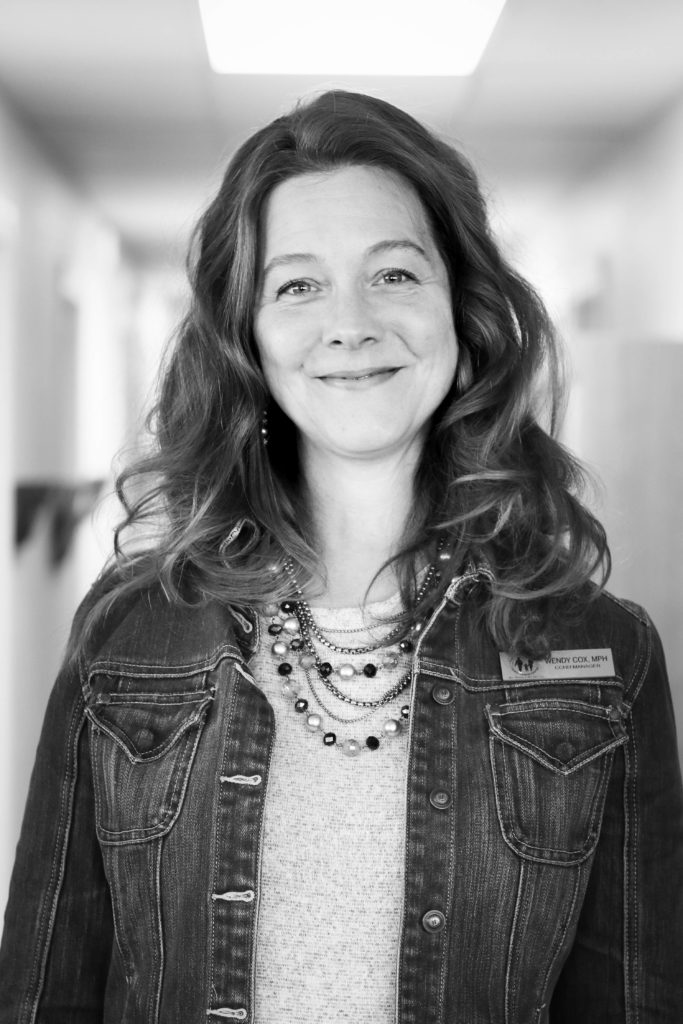
Wendy Cox is a long-time educator who followed her interests into the public health field. She is proud to work alongside colleagues at the Family Health Center in the area of community health engagement. In her spare time, she loves to enjoy time in nature, take long walks with family and friends, and experiment in the kitchen with whatever seasonal foods she’s found at the Waco Downtown Farmers Market.
The Act Locally Waco blog publishes posts with a connection to these aspirations for Waco. If you are interested in writing for the Act Locally Waco Blog, please email [email protected]for more information.
NEWS RELEASE
Census takers are working to follow up with Waco and McLennan County households that have not yet responded to the 2020 Census.
The current self-response rate in McLennan County is 58.5%. The Census Bureau will need to visit the remaining addresses to collect responses in person.
Households can still respond now by completing and mailing back the paper questionnaire they received, by responding online at 2020census.gov, or by phone at 844-330-2020. Households can also respond online or by phone in one of 13 languages and find assistance in many more. Those that respond will not need to be visited to obtain their census response.
Protecting Health and Safety
The Census Bureau and the Centers for Disease Control (CDC) are working together to protect the health and safety of the public and employees. Participation in 2020 Census interviews should present a low risk of transmission of COVID-19.
Census takers are trained to rigorously and universally follow these CDC recommendations to mitigate the risk of transmission:
- Wearing face masks
- Maintaining social distance of 6 feet or more
- Practicing hand hygiene
- Not entering homes and conducting interviews outside as much as possible or practical
Household members encountered by census staff are encouraged to maintain social distances during interviews and practice the CDC’s other recommendations as much as possible.
Joint statement from the Census Bureau and the CDC
What Households Can Expect
Census takers are hired from local communities. All census takers speak English, and many are bilingual. If a census taker does not speak the householder’s language, the household may request a return visit from a census taker who does. Census takers will also have materials on hand to help identify the household’s language.
If no one is home when the census taker visits, the census taker will leave a notice of their visit with information about how to respond online, by phone or by mail. People are encouraged to cooperate with census takers and ensure that everyone who was living in their household as of April 1, 2020, is counted.
How to Identify Census Takers
Census takers can be easily identified by a valid government ID badge with their photograph, a U.S. Department of Commerce watermark, and an expiration date on the badge. To confirm a census taker’s identity, the public may contact the Denver/Dallas Regional Census Center at 972-510-1800 to speak with a Census Bureau representative.
Media requesting b-roll video or photos on how to identify a Census employee can visit this press kit: https://www.census.gov/newsroom/press-kits/2020/b-roll.html
About the 2020 Census
The U.S. Constitution mandates a census of the population every 10 years. The goal of the 2020 Census is to count everyone who lives in the United States on April 1, 2020 (Census Day). Census statistics are used to determine the number of seats each state holds in the U.S. House of Representatives and informs how billions of dollars in federal funds will be allocated by state, local and federal lawmakers annually for the next 10 years.
For more information, visit 2020census.gov.
By Jeffrey Vitarius
(Civic meetings happen in Waco every week – city council, school board, planning commission, and countless others. Decisions from these meetings affect our lives every day. Many of us are curious about these meetings, but to be honest, it’s just too hard to decipher the jargon and figure out what’s going on and why it’s important. Act Locally Waco is trying something new in August! Jeffrey Vitarius follows civic meetings for his work and out of personal interest. Each week in August he will pick a meeting in our community and highlight one or two items from the agenda to translate from “government-ese” into language we can all understand. We’re calling the series “Meeting Insights.” Let us know what you think! If you enjoy it, we will try to keep it going! — ALW )
The Waco City Council meets every other Tuesday. The work session starts at 3:00, that is where most of the explanation and discussion happens. The business session is at 6:00, that is when the council takes action (votes). The public is invited to attend either or both of these sessions, although, for the time being due to COVID-19, that attendance is virtual through the Waco City Cable Channel (WCCC.TV/live) with public comments sent in ahead of time. Today we will highlighting Ordinance Agenda item 2…the Waco Tourism Public Improvement District (TPID).
Meeting Basics
- Work Session – 3:00 pm / Business Session – 6:00pm
- To watch the live stream click here (City of Waco Cable Channel, wccc.tv)
- For the full agenda click here
- For the meeting packet with the documents pertinent to the meeting click here. Quick note on page numbers: the numbers I will be referring to below are the “packet page numbers” found on the bottom right corner of each page of the meeting packet. These do not always match the number of the page in the pdf. One neat aspect of the packets the city builds for city council meetings is that you can click on the agenda item on the agenda page of the packet and it will take you directly to the relevant materials.
- Details on how to provide public comment are listed in the agenda
A Waco Tourism Public Improvement District (TPID) – A Whole New Kind of District
Ordinance Agenda Item 2 – ORD-2020-576 – Consider an ordinance approving and adopting the final service plan for the Waco Tourism Public Improvement District (“TPID”) for Fiscal Year 2020-21, levying special assessments on properties in the TPID to pay for the costs of services provided in accordance with the final service plan, setting charges and liens against property in the district and against the owners thereof, and providing for the collection of the special assessments. SECOND READING
You may notice that certain items on City Council agendas are labeled “first reading” or “second reading.” This indicates that the item under consideration needs to come to council twice before it can receive a final vote. That is how the Waco Tourism Public Improvement District (TPID) has found itself on two consecutive City Council agendas.
For some of you the “PID” acronym may ring a bell. PID stands for “Public Improvement District.” Waco already has two other Public Improvement Districts. The one you have most likely heard of is the Downtown Waco PID. In really broad terms, a PID is a special district created by a city or county. It allows for the collection of an assessment from properties within a certain geographic area. An “assessment” is kind of like a tax – it’s not exactly the same thing, but that’s an easy way to think of it. The money from the assessment is used to provide services to the property owners in the district. These services supplement what the city or county is already providing. For example, the Downtown Waco PID uses some of its assessment to pay for additional cleaning (grackle poop!) and security downtown.
Similar to the way the Downtown Waco PID supports Downtown, the proposed Waco Tourism Public Improvement District (TPID) would support tourism and visitors across Waco.
The city council endorsed the idea of creating a TPID back in November of 2018 (Trib articles here and here). In June of 2019, a bill allowing for the creation of such a district was filed by the Texas legislature (HB1474).
The next step for the organizers of the TPID was to acquire signatures from property owners representing both 60% of the value of the hotels that would be within the district and 60% of the area of the hotels that would be within the district. That hurdle was cleared in June 2020 (receiving endorsements from 85% of the value, and 79% of the area). Now the city council is considering the TPID’s service and assessment plan – basically the plan that explains what they intend to do with the money collected by the TPID.
I spoke with Carla Pendergraft, the Director of Marketing, at the Waco Convention and Visitors Bureau, about the fine points of what the TPID could do for Waco and am indebted to her expertise for the explanation that follows.
What is a Tourism Public Improvement District (TPID)? And why would we want one? In the broadest sense, it is a way for local hotels to pool resources and encourage folks to visit Waco. The proposed TPID will be made up of all Waco hotels with more than seventy-five rooms. This includes some of the anticipated hotels along that quiet zone corridor we talked about last week. At the moment, there are twenty-seven hotels that have or will have at least seventy-five rooms (there is a full list on page 314 of the meeting packet). The TPID will collect a 2% assessment on each night stay at one of these hotels and then use those assessments to fulfill its service plan. (Note: Technically the City collects the assessment and then provides it to the TPID).
So, let’s say a family member is visiting from out of town and their hotel room costs $100 per night (for a nice round number). At the end of their stay, they will also be contributing $2 per night to the TPID (2% of $100). Ultimately, there should be no direct cost to the hotels in the district.
The TPID is projecting to collect $1,576,067 in funding next year, though this projection is based upon pre-COVID data so it may change in a substantial way.
So how will the TPID contribute to Waco’s visitor and tourism economy? The service and assessment plan breaks it down into four areas (you can find a more details on pages 311-313 of the meeting packet):
- Marketing – Increased marketing through a wide variety of means to promote the hotels in the district. In particular, the ability of the TPID to pool resources should allow for access to larger digital media markets. (45% of funding)
- Sales Initiatives – One of the key takeaways from my discussion with Ms. Pendergraft is that the visitor and tourism market is made up of several different groups. There are leisure tourists (those traveling just for fun), the convention crowd, business travelers, bus trips, etc. Each of these different groups requires a little bit of a different strategy. Groups (conventions, bus trips, etc.) that bring more people per trip, and therefore more economic impact per trip, are particularly interested in sales incentives. These incentives may look like discounted rates at local hotels or the convention center. They might also include assistance with transportation, or even event sponsorship. The ability to pool resources through the TPID would make it possible for Waco to use a wide variety of tools to reach out to these kinds of “bulk” visitors. (40% of funding)
- Tourism Research – Research would help improve the effectiveness of the marketing and sales initiatives noted above. Research might mean gathering information about what specific markets to target for marketing or how particular events impact the Waco’s economy. (8% of funding)
- Administration – This would include things like an annual audit and bookkeeping. (7% of funding)
So, if the City Council approves the creation of the TPID and the service and assessment plan, what happens next? The hotels included the district will most likely to form a non-profit organization that would be charged with directing the services of the TPID and preparing the annual service and assessment plan. This non-profit would enter into a contract with the City to receive the funding and staff support from the hard-working folks at the Convention and Visitors Bureau. The board of this to-be-formed non-profit would be made of a diverse group of hotel representatives with Mr. Todd Bertka (Director of the Waco Convention and Visitors Bureau) representing the City in a non-voting role.
If all works out as it is intended, the TPID could provide significant support to a critical part of Waco’s economy just as it faces a particularly daunting crisis.
Other Interesting (to me) items from the Agenda:
- There are a number of public hearings related to planning at Council this week, things like zoning, subdivisions, short-term rentals. These kinds of items go through a separate group, the Plan Commission, first before making their way to council for final approval. The next scheduled Plan Commission meeting is on August 25th, so be on the lookout for post focused on that meeting soon.
- The city is aiming to reallocate $21,000 in unspent community development block grants towards assisting homeless folks in self-quarantining, a critical health protection for this community during COVID-19. The city had already allocated $10,500 to this program, but that funding is nearly spent.
- The tax rates we touched on two weeks ago have returned for a resolution establishing when the City Council will take their final vote to establish them (September 8th)
Jeffrey Vitarius has been actively local since early 2017. He lives in Sanger Heights with partner (JD) and his son (Callahan). He helped found Waco Pride Network and now serves as that organization’s treasurer and Pride Planning Chair. Jeffrey works at City Center Waco where he helps keep Downtown Waco clean, safe, and vibrant. He is a member of St. Alban’s Episcopal Church and graduated from Baylor in 2011.
The Act Locally Waco blog publishes posts with a connection to these aspirations for Waco. If you are interested in writing for the Act Locally Waco Blog, please email [email protected]for more information.
NEWS RELEASE
WACO — Prosper Waco Executive Director Suzii Paynter March announced that the local nonprofit is saying goodbye to one leading staff member and welcoming another.
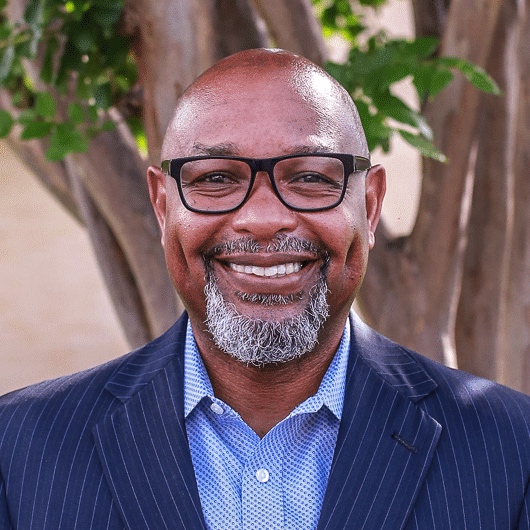
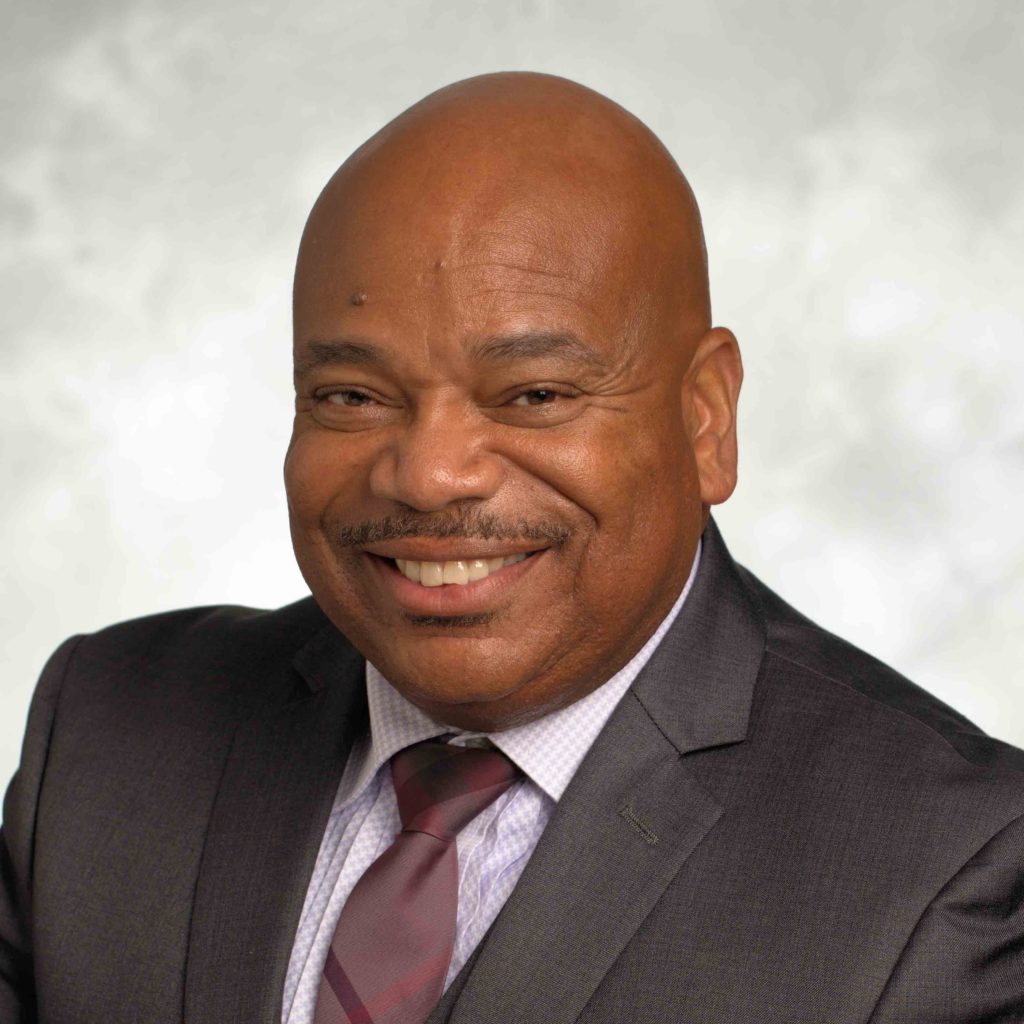
Dexter Hall joined the Prosper Waco staff July 28 as full-time chief of staff and senior content specialist for financial security. It is a new role at the nonprofit but will include many of the functions previously part of the Chief Operations Officer position.
Bryan Dalco left the part-time COO position July 31. Dalco is also a pastor, having recently moved from being pastor of One Fellowship Church in Waco to being pastor of St. James United Methodist Church in Temple and also serving in a new leadership role in the UMC Annual Conference. Dalco will continue to live in Waco.
“We are fortunate to have had Bryan as part of our collective effort in Waco, and we are now fortunate to have Dexter join us,” said March, Prosper Waco’s CEO. “Dexter’s background in banking and finance will help Prosper Waco to advance it’s priority of promoting financial security across Greater Waco. This is even more important now as we respond to the COVID-19 crisis and the economic challenges created for so many people.”
March expressed her deep appreciation to Rev. Dalco for his leadership and the strengths he has brought to Prosper Waco. “Bryan will continue to be a part of our Waco community, and we count on his friendship and involvement even as he leaves the Prosper Waco staff and launches out into his new areas of responsibility.”
In the new chief of staff position, Hall will provide direct support to CEO March and build strong relationships across the organization to optimize Prosper Waco’s resources, business process and administration. As a senior content specialist, he will develop, coordinate and execute projects and initiatives which advance benchmark indicators in financial security.
“I am happy to continue my work and lifelong heart’s desire to make our community, country and world a better place,” Hall said. “The City of Waco gave me birth, pride and my nucleus. I look forward to making our tomorrows better with Prosper Waco in improving the education, health and financial security of our citizens as we work to ensure equity for all.”
Rev. Dalco joined the Prosper Waco staff in April 2018. “I will always treasure my time with Prosper Waco because it has added so much depth to the call upon my life,” he said. “I’ve always felt called to work with people who have been disenfranchised and marginalized. However, much of my work had been done at ground zero with more of a hands-on approach. Prosper Waco gave me the opportunity to do this work from a much higher and broader perspective.
“To be a part of efforts that provided research and data analysis towards impacting systemic issues has been an extremely rewarding effort,” he said. “During my time at Prosper Waco I have learned a lot of things, but one of the most important things I take with me is the importance of collaboration. When we work together we get more accomplished together. Thank you for accepting me and working with me.”
Hall is a native of East Waco and was raised in Oakland, Calif. He is owner of Noir Kith Consultants, which provides business and consumer financial management consulting. Hall retired in 2019 after 28 years with Wells Fargo, his last position being regional banking district manager for Wells Fargo’s Texas Region covering the Waco-Brazos Valley market.
He holds a bachelor’s degree in business administration / public administration from California State University in Hayward. He sits on the boards of LeadersUp, Dr. Pepper Museum and Free Enterprise Institute, YMCA of Central Texas and Black College Expo (advisory board). Hall has three daughters from age 16 to 22.
Rev. Dalco is a native of Beaumont and holds a bachelor’s degree from Prairie View A&M University and master’s degree from Brite Divinity School. He has served several churches under appointment for 20 years in the Central Texas Conference of the United Methodist Church. Rev. Dalco is a mentor at South Waco Elementary School, a member of Waco NAACP and active in other community organizations.
He has served as executive director of two nonprofits in the Houston area. He is married to Tara and has four children.