
by Laura L. White, recent Baylor graduate
I may not drive the “coolest” of cars; it is a hefty station wagon that gets me from point A to B in a safe and timely manner. I have always been appreciative of this luxury, but after a recent experience, my appreciation has grown ten-fold.
On a Friday afternoon, I made an appointment at the McLennan Community College (MCC) Family Health Center to get a simple blood test. I decided to take public transportation to get there. The night before, I researched the bus route on the Waco Transit website. Let me just say, I can understand complex Organic Chemistry problems, but I could not seem to understand the bus system! After about 30 minutes I finally decided on my route.
My Spanish class ended at 2:10 pm and I immediately headed to the bus stop on 12th St. According to my research, a bus was supposed to arrive at 2:24, which would take me to the downtown Waco bus terminal by 3:10. From there, I would hop on a different bus line that would take me to MCC. According to these plans, I would arrive by 3:32pm. My appointment was at 4:30, so I thought I had plenty of buffer time.
I was at the bus stop by 2:20pm… and no bus came. Confused, I used my iPhone to call the main bus transit authority. The person who answered the phone explained that the bus I was expecting was not going to be making that stop. He redirected me to a different bus. I had to walk three blocks over and wait for another twenty minutes until the (free) Baylor Blue Line bus arrived.
We drove around the Baylor campus and various students got on and off. The bus then pulled up outside the gas station near 5th St. The bus driver instructed me that this was where I needed to get off to catch the next bus. I waited outside for another ten minutes until the new bus pulled up. I hopped on and asked the driver if he could take me to the main bus terminal. Unfortunately this bus did not stop there, but he said he could take me to within four blocks. He drove for about 25 minutes, then informed me that he was as close as he would be getting to the terminal, so I got off.
I walked the four blocks to the terminal. No one else was there, but I waited hopefully. More people started arriving, and after 30 minutes the bus finally pulled up.
The other two buses I had ridden had been filled with Baylor students. On this bus there were two young women with babies; an older gentleman who had difficulty walking and smelled of body odor and alcohol; a grandmother and her three-year-old granddaughter; and a young family of a mom, dad, and infant son.
Several other people got on the bus at the next few stops. By this point, it was almost 4pm and I could hear my stomach grumbling. I noticed several people pressing the button to request a stop. When the driver pulled over, I realized that we were outside of a McDonald’s. Half of the people on the bus got off at this stop! I always preach the importance of proper nutrition, and I have not eaten at McDonalds in years, but I had a feeling rush over me in that moment that all I wanted to do was to join them.
This experience made me almost ashamed of the lack of challenges I usually face in making healthy food choices. When I go to the grocery store, I purchase only fresh produce, meats, and dairy. Once I have all of my groceries, I load my car and go home. Now I realize how hard that process would be without a car. Carrying more than a few bags would be completely out of the question. And, if you are waiting a long time for the bus in the Texas heat, I’m sure that’s not the best for the milk, eggs, or vegetables you purchased.
As I said, after being on the bus for nearly two hours, I, Laura White who does not eat fast food, wanted nothing more than to stop in McDonald’s. If I were one of the young moms on the bus, eating an inexpensive meal while the children played in the safe environment of the play-area would seem like a completely wonderful plan. Needless to say, I now have a new appreciation of the difficulties people in poverty face when trying to lead a healthy lifestyle.
Finally, I heard the driver alert everyone that we were coming up to the MCC stop. I exited the bus, but having never been to this clinic, I wasn’t sure where it was. I aimlessly meandered through the parking lot until I found a person who gave me directions. I specifically remember her saying as I began walking away, “You definitely don’t want to walk all the way there. It’s really far. Just take your car.” A sinking feeling came over me and I politely responded, “I don’t have one. I took the bus. Thanks for the directions.”
The one thing this experience taught me—understanding. What would have taken me less than twenty minutes in a car, took me two hours and twenty minutes. I took three different buses and I had to walk well over a mile to get to my final destination. I am an able-bodied, well-educated, twenty-one year old woman and I still left this experience with frustration and exhaustion. What if I had a physical disability, or if I were elderly, or if it was a day of extreme weather? I challenge any physician that reschedules a patient’s appointment because of tardiness to rethink what might have led to the patient’s late arrival. There could be more to the story…
Note: The Waco Metropolitan Planning Organization (MPO) is in the process of identifying transportation needs for Metropolitan Waco through the year 2040. They have invited all interested people to make their priorities known. You can submit feedback in writing until June 15. Suggestions may be submitted by fax at (254) 750-1605, by e-mail to [email protected] or by mail directed to Christopher Evilia at the following address: Waco Metropolitan Planning Organization, P.O. Box 2570, Waco, Texas 76702-2570. Please take a moment to urge them to make improving public transportation a priority. Transportation is an important issue for all of us!
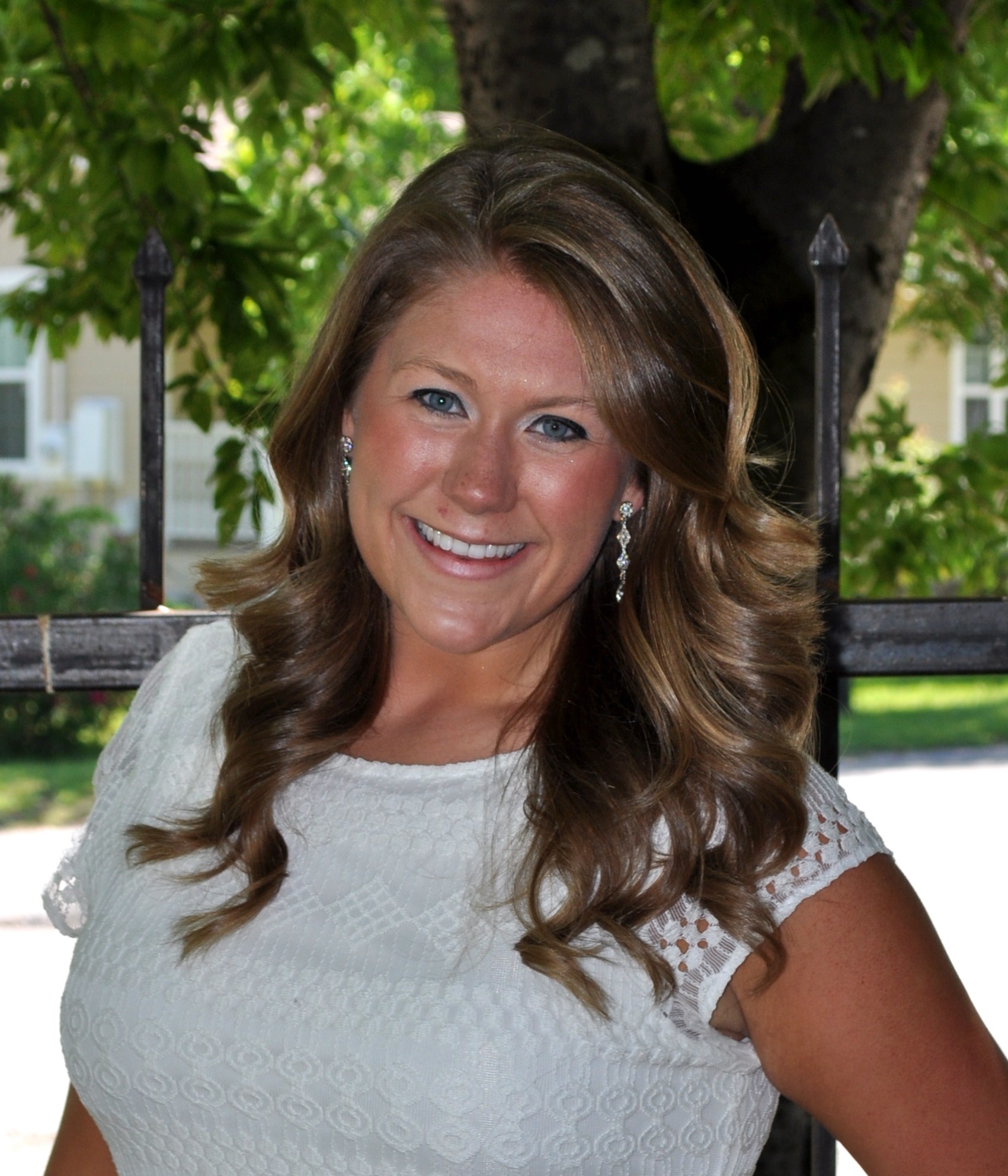 This post was written by Laura White from Warren, NJ. She just graduated from Baylor University in May with a Bachelors of Science in Biology. She remains in Waco, TX for the upcoming year to serve as an AmeriCorps member working within the Family Health Center clinics. After once year of service, she hopes to attend medical school in Texas to ultimately pursue a career in Family Medicine. She was inspired to ride the bus by her experience volunteering at the Family Health Center as a part of her Family Medicine and Community Healthcare Course at Baylor University. If you would be interested in writing a post for the Act Locally Waco blog, please email [email protected].
By Ashley Bean Thornton
One of the best things I did last year was to participate in the KWBU pledge drive for the first time. I love KWBU; I love the people who work at KWBU; and I love that Waco is the kind of community that supports a public radio station, so when they asked, I was glad to help. I only live about three miles from my work, however, and I do most of my radio listening in the car. This limits my exposure to some of the shows. As the time for the pledge drive drew closer, I felt the need to do a little extra NPR-loading in order to at least give the illusion of knowing what I was talking about during my “on-air” debut as a pledge-encourager. So it was that I listened to my first Ted Radio Hour, and so it was that I was exposed to a new idea that has profoundly deepened my thinking about building a community together.
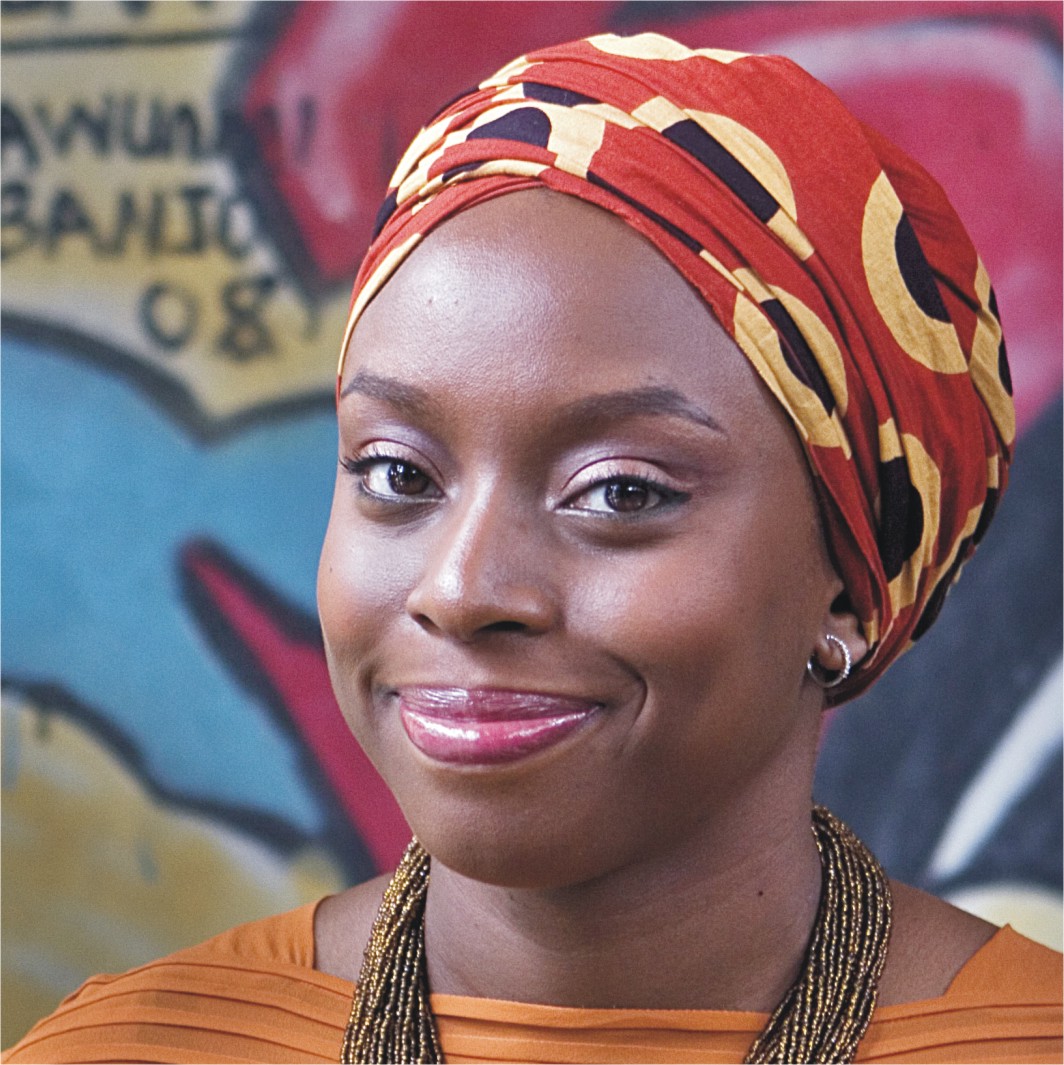 This new idea was a gift from Chimamanda Adichie, a storyteller and writer from Nigeria. Her Ted Talk is entitled “What Are The Dangers Of A Single Story? It is a beautiful talk, made more delightful by hearing it in her own engaging voice. A story she tells toward the beginning of her speech captures the heart of her main idea for me, here it is:
“I come from a conventional, middle-class Nigerian family. My father was a professor. My mother was an administrator. And so we had, as was the norm, live-in domestic help, who would often come from nearby rural villages. So the year I turned eight we got a new house boy. His name was Fide. The only thing my mother told us about him was that his family was very poor. My mother sent yams and rice, and our old clothes, to his family. And when I didn’t finish my dinner my mother would say, “Finish your food! Don’t you know? People like Fide’s family have nothing.” So I felt enormous pity for Fide’s family.
Then one Saturday we went to his village to visit, and his mother showed us a beautifully patterned basket made of dyed raffia that his brother had made. I was startled. It had not occurred to me that anybody in his family could actually make something. All I had heard about them was how poor they were, so that it had become impossible for me to see them as anything else but poor. Their poverty was my single story of them.”
Adichie goes on to tell how, when she came to America as a student, she experienced firsthand the negative effects of the single story. Most Americans she met had a single story about Africa – a story of deprivation and backwardness – and that lens distorted their view of her. She explains in the speech that this notion of a “single story” is inseparable from the idea of power. A profound kind of power is the power to tell a story about a person, or a people, and to have that story “stick” as the definitive or “true” story.
Near the end of the talk she offers this statement: “The consequence of the single story is this: It robs people of dignity. It makes our recognition of our equal humanity difficult. It emphasizes how we are different rather than how we are similar.”
Wow! I don’t know if I helped KWBU raise any money during their pledge drive, but I will be thankful for a long time for the gift of this idea.
Who among us wants to be defined by a single story, especially if that single story is the story of our weakest moment or the worst thing about us? How often have we done that to someone else? Have we taken bad advantage when we were in the position of power to make a story stick? How do we approach some of our local challenges differently when we make sure to let the stories of resilience, creativity, fun, faith, work and determination drive our work along with the stories of poverty, need, mistakes, prejudice and disappointment? What if we choose not to flatten and simplify our understanding of each other, but to enrich and complicate that understanding by gathering more stories? What if people take back the power and responsibility of telling their own stories? What kind of world – what kind of Waco – might we build if we remember together that there is always more than a single story?
- « Previous
- 1
- …
- 49
- 50
- 51