From the City of Waco Public Information Office
The Texas Historical Commission presented a THC Preservation Award of Merit to the First Street Cemetery Memorial Advisory Committee during the City of Waco Council Meeting Tuesday, Aug. 3.
The First Street Cemetery committee members Annette Jones (retired, City of Waco assistant city attorney), Nesta Anderson (archaeologist, principal investigator), and Melanie Nichols (archaeologist) were granted the Award of Merit for their significant contributions in historic preservation and public outreach through documentation of the First Street Cemetery project. Formal presentation of the award was postponed due to the COVID-19 pandemic.
The First Street Cemetery, the oldest public cemetery in Waco, is south of the Brazos River and east of Interstate 35. After the 1960s construction of I-35, the City developed plans for a Texas Ranger Museum and campground, and a court order was issued in 1968 to disinter human remains within the proposed construction space to another portion of the cemetery.
However, in 2007, during construction of the Texas Ranger Company Headquarters building, it was discovered that human remains were still located in the area covered by the 1968 court order. As a result, the City, the National Park Service, THC, and the Advisory Council on Historic Preservation executed a Memorandum of Agreement for the mitigation of adverse impacts to historical property and to remove the land use restrictions.
The Committee, consisting of sixteen community members, served between 2013 and 2018; it was formed and tasked with making recommendations to the City Council on the reburial of the remains, appropriate memorial services, plaques, and memorials to be erected at First Street and the reburial site. The Committee carefully took into consideration the community’s input and consistently provided thoughtful feedback for the many decisions to be made regarding reburials.
The THC and the City of Waco recognize the commitment of the Committee and these additional individuals to ensure a positive outcome for the impacts at First Street Cemetery and commend the example they provide for future cemetery projects.
The THC’s Award of Merit recognizes the efforts and/or contributions of an individual or organization involved in preserving Texas’ cultural and historical resources. This award recognizes the efforts and/or contributions of an individual or organization involved in preserving Texas’ cultural and historical resources.
The Act Locally Waco blog publishes posts with a connection to these aspirations for Waco. If you are interested in writing for the Act Locally Waco Blog, please email Ferrell Foster at [email protected].
From the Texas Secretary of State’s Office
Deputy Secretary of State Joe Esparza drew the ballot order for eight proposed amendments to the Texas Constitution that will appear on the Nov. 2 ballot. The proposed amendments were approved by at least two-thirds of the members of both the Texas Senate and House of Representatives.
Texans will have the opportunity to approve or reject the following amendments with a majority vote:
Proposition 1 (HJR 143)
“The constitutional amendment authorizing the professional sports team charitable foundations of organizations sanctioned by the Professional Rodeo Cowboys Association or the Women’s Professional Rodeo Association to conduct charitable raffles at rodeo venues.”
Proposition 2 (HJR 99)
“The constitutional amendment authorizing a county to finance the development or redevelopment of transportation or infrastructure in unproductive, underdeveloped, or blighted areas in the county.”
Proposition 3 (SJR 27)
“The constitutional amendment to prohibit this state or a political subdivision of this state from prohibiting or limiting religious services of religious organizations.”
Proposition 4 (SJR 47)
“The constitutional amendment changing the eligibility requirements for a justice of the supreme court, a judge of the court of criminal appeals, a justice of a court of appeals, and a district judge.”
Proposition 5 (HJR 165)
“The constitutional amendment providing additional powers to the State Commission on Judicial Conduct with respect to candidates for judicial office.”
Proposition 6 (SJR 19)
“The constitutional amendment establishing a right for residents of certain facilities to designate an essential caregiver for in-person visitation.”
Proposition 7 (HJR 125)
“The constitutional amendment to allow the surviving spouse of a person who is disabled to receive a limitation on the school district ad valorem taxes on the spouse’s residence homestead if the spouse is 55 years of age or older at the time of the person’s death.”
Proposition 8 (SJR 35)
“The constitutional amendment authorizing the legislature to provide for an exemption from ad valorem taxation of all or part of the market value of the residence homestead of the surviving spouse of a member of the armed services of the United States who is killed or fatally injured in the line of duty.”
For more information and resources for voting in Texas, visit VoteTexas.gov.
By Ferrell Foster
People mean different things when they say “Waco.” Some mean the Waco of a few years ago (much smaller geographically); others think primarily of downtown and Baylor (where the action is), others mean the current city limits (reaching further and further out).
When I think of Waco, I think of what I call Big Waco and some call Greater Waco. I think of the city, plus Woodway, Hewitt, China Spring, Lacy Lakeview, Bellmead, Robinson, even all of McLennan County. Big Waco is big.

The national City Health Dashboard identifies 10 city types and includes 57 small to midsize Texas cities in their data. Waco is considered a “regional hub.” There are only three regional hubs in Texas — Beaumont, Port Arthur, and Waco. Nearby Temple is identified as a “working town.” College Station, Denton, and San Marcos are called “college cities.”
The regional hub designation, I think, captures the essence of Waco. We are different from a working town or a college city. We are more — for better or worse.
The better part of being a regional hub is that people from surrounding communities come here to do business and to be entertained. Central Waco is like a magnet drawing people and resources to its core and helping all regional residents enjoy a better-resourced, more-connected life.
But there is a downside for regional hubs. The City Health Dashboard says this of the group: Regional hubs are “midsize ‘micropolitan’ cities that serve as hubs within smaller metro areas, with high inequality and large Black populations, where most residents work locally, and populations are decreasing.” Here are some characteristics of regional hubs:
— Great income inequality; “Black households earned 46% less than their White counterparts and this wage gap has been increasing.” (In Waco, Blacks earn about 40% less than Whites. In McLennan County, 47% less.)
— An average of 25% of residents live below the federal poverty line. (In Waco, 26.2% are below the poverty line. In the county, 19%.)
— Average life expectancy of 76 years at birth. (In Waco, 77 years.)
— Average rent burden of 54%, with an increase of 11.8% between 2000 and 2017
across cities.
(My thanks to the Prosper Waco research team for the local numbers.)
The future of Waco is captured in this simple picture. As a regional hub, we have a real opportunity for economic growth and lifestyle satisfaction. But, we should not be content with only a part of Waco and its region doing well. We need to care about racial, financial, and health inequities.
If we can address the downside challenges while we pursue the upside opportunities, we will be more than a regional hub; we will be a very good place to live, work, and do business.
I have two basic points here:
First, some people have a narrow view of Waco (the central city). I think it’s good for us to see this community more broadly, including acceptance of the surrounding towns and school districts as part of one whole. Each city/town, neighborhood, and school district is distinct, but we are connected — Big Waco.
Second, those who do not live in the parts of Big Waco that face serious economic and health challenges are still connected to those neighborhoods. In order for Big Waco to prosper, all of us are needed, especially in addressing our most challenging issues.
My faith tells me it is critical to love my neighbor. And love in that context does not mean an emotion; it is a commitment to serve. And neighbor is not just the person next door; it is anyone in need that I can help. Waco needs to be a place of good neighbors in the best and highest since of the phrase.
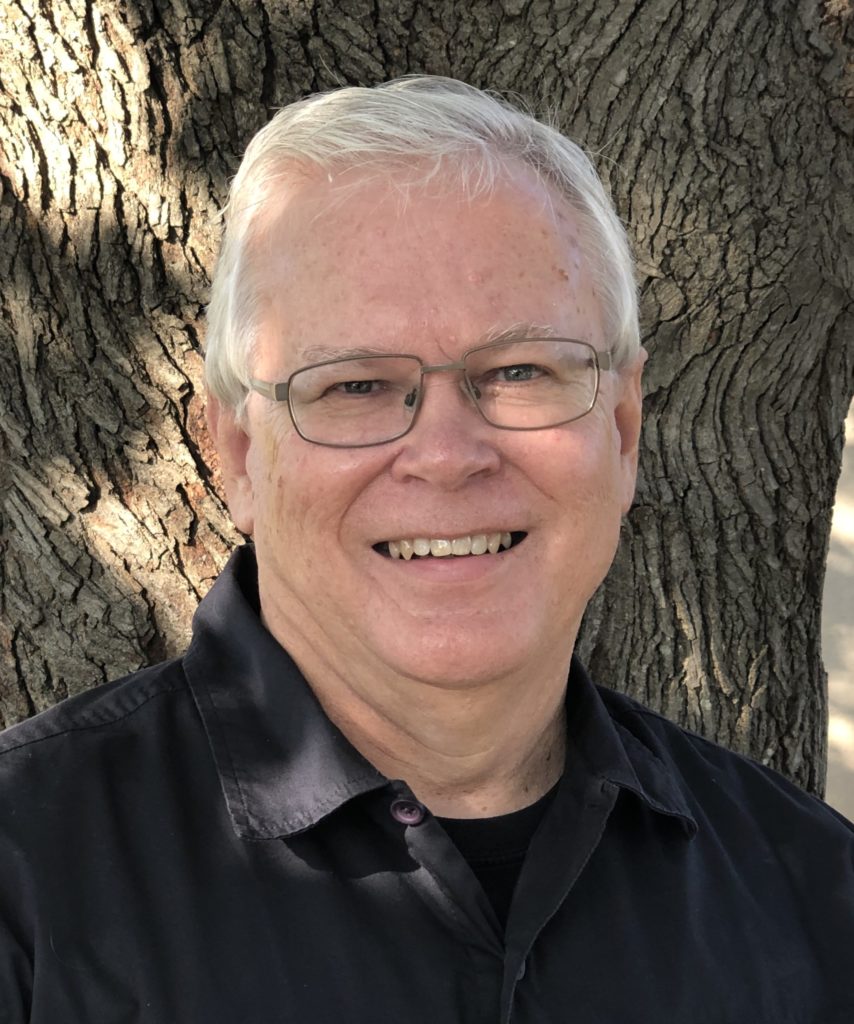
Ferrell Foster is acting executive director of Act Locally Waco and senior content specialist for care and communication with Prosper Waco.
The Act Locally Waco blog publishes posts with a connection to these aspirations for Waco. If you are interested in writing for the Act Locally Waco Blog, please email Ferrell Foster at [email protected].
G.W. Carver principal says that campus will “heal and thrive together.”
By Josh Wucher
After an early morning fire, students and staff from G.W. Carver Middle School are learning that they will move to Indian Spring Middle School until a new G.W. Carver campus is built. In the days ahead, Waco ISD and Transformation Waco will work through the details of the move to make sure that both schools have everything they need for the start of a new school year next month.
The Indian Spring campus has space for more than 900 students but is projected to enroll just over 500 students for the 2021-2022 school year. Meanwhile, G.W. Carver is projected to enroll about 460 students for 2021-2022. Both campuses are operated by Transformation Waco as part of an in-district charter partnership with Waco ISD.
“I want to reassure everyone that while we’re coping with the loss of our historic campus, we’ll press forward,” said Dr. Isaac Carrier, principal at Carver. “Panthers take care of each other, and Panthers take care of our business day in and day out. G.W. Carver Middle School is more than a building. It’s the people, and it’s the legacy that they carry with them each day. We will heal and thrive together. This coming school year will be different than we expected, but it can and will still be a great year.”
Indian Spring Principal Joseph Alexander said: “Our campus has plenty of space for both Bulldogs and Panthers. While we share the sadness that comes with the loss of a historic school building, we want our neighbors to know that they are welcome here. The team at Indian Spring Middle School will work every day to make sure that everyone has a great school year.”
Staff from the two campuses, Transformation Waco, and Waco ISD will continue working through the logistics of the move. Additional information will be shared with families and employees as it becomes available.
In the meantime, Transformation Waco and Waco ISD are working to arrange counseling services for Carver students and employees, as well as community members, who would like to talk with someone about the fire. Counseling services will be available on Wednesday, July 28, and Thursday, July 29, 8:30 a.m. – 4 p.m. at Estella Maxey Place Apartments (1809 J J Flewellen Road, Waco).
G.W. Carver families can visit Indian Spring, as well as any Waco ISD campus this week for assistance registering their children for the 2021-2022 school year. Registration help will also be available at Carver Baptist Park on Thursday, July 29 and Friday, July 30 from 9 a.m. – 5 p.m. Online registration is also available at wacoisd.org/register.
“Please know that our minds and hearts are with our Carver family and the East Waco community, as we process the loss from this morning’s fire,” said Dr. Robin McDurham, Transformation Waco’s chief executive officer. “While we haven’t worked out all of the details yet, we know that G.W. Carver students will have a welcoming place to learn at Indian Spring. They’ll have safe transportation to and from the school, and nutritious and delicious school meals will be waiting for them.”
Anyone interested in helping can donate gift cards to Transformation Waco to assist teachers and staff with replacing classroom supplies and other materials that were lost in the fire. Physical gift cards from Walmart, Target or H-E-B, can be mailed to or dropped off at Transformation Waco’s office (3005 Edna Ave., Waco, TX, 76708). Electronic gift cards can also be emailed to [email protected].
“We are especially grateful for the incredible work of the Waco Fire Department as well as the other first responders who were on the scene this morning,” said Dr. Susan Kincannon, Waco ISD’s superintendent. “During the pandemic, I’ve seen our district come together and support one another in extraordinary ways. I have no doubt that we can overcome any challenges created by this fire and keep doing what it takes to take care of our students and employees.”
The first day of the 2021-2022 school year in Waco ISD is Aug. 23. All students will be learning in-person this year.

Joshua Wucher is Waco ISD’s executive director for communications.
The Act Locally Waco blog publishes posts with a connection to these aspirations for Waco. If you are interested in writing for the Act Locally Waco Blog, please email Ferrell Foster at [email protected].
By Baylor School of Education
Baylor University’s teacher-education graduates of 2020 experienced a career launch like no other class. Their classroom internships were cut short by the global COVID pandemic, and then they entered their first year of independent teaching still in the midst of a pandemic that lasted the entire school year.
It’s a good thing the Baylor School of Education teacher-education program is designed to prepare graduates thoroughly through rigorous coursework, as well as intense faculty-guided field experiences. Baylor’s preparation is so rigorous, in fact, that 2020 teacher education majors had completed their state-required classroom experiences and already taken their certification exams when the pandemic hit.
But were they really ready? Could anything have prepared them for a first year of teaching in a pandemic? Read the reflections of four of our 2020 graduates after their first year in the classroom and find out. Spoiler alert — our graduates are amazing! Congratulations (and thank you) to them and to all teachers who are leading during these challenging times.
Emily Holland, BSEd ’20, All-Level Special Education
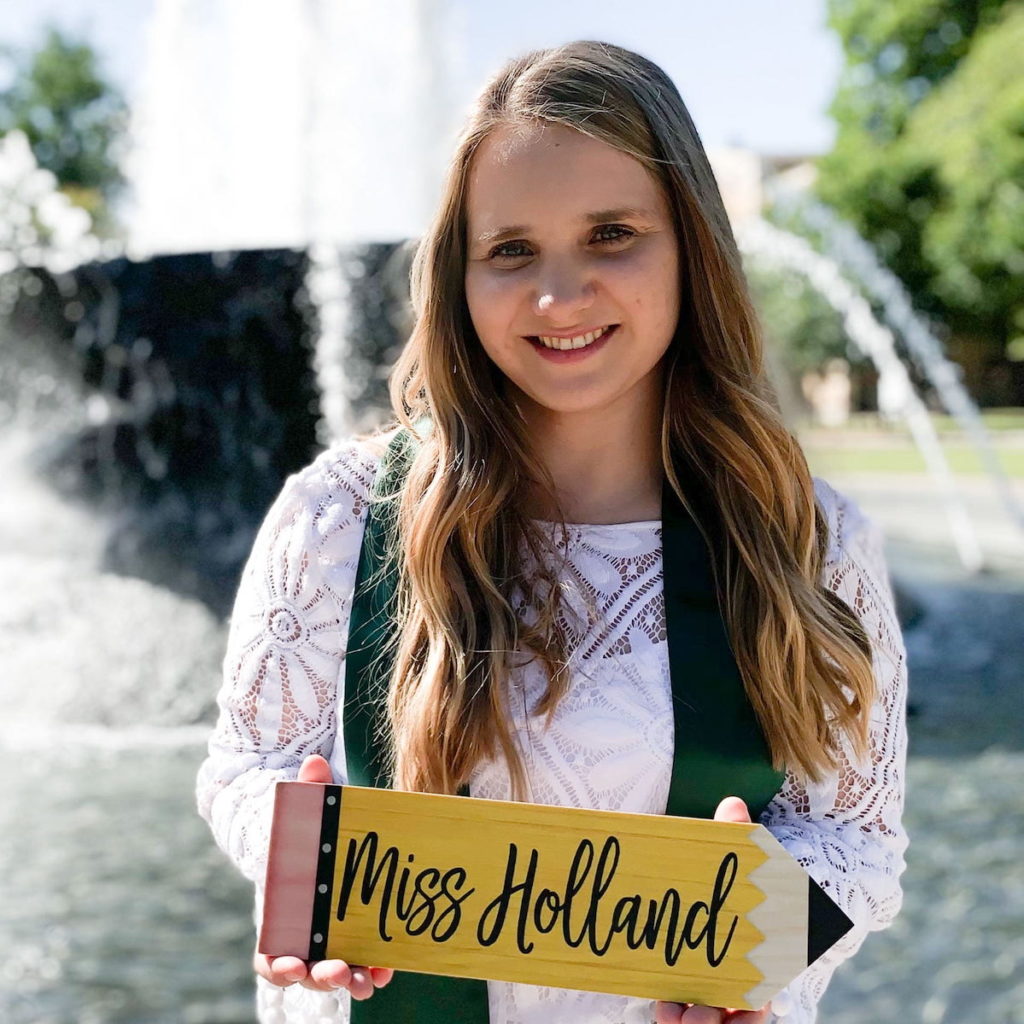
Robinson Elementary School, Robinson ISD
Functional Academics (first-third graders)
“One thing that I was not prepared for was teaching students with disabilities through a computer screen. It is already challenging enough to differentiate instruction for your kiddos in person let alone online with that barrier. . . . Most of my students ended up in my classroom, but I did have two that chose to stay home for the entire school year. I could handle the challenging behaviors, disengaged learners, or the unpredictability of each day. But that added layer of asynchronous/synchronous instruction is the main reason that I finished each day completely drained. However, this year gave educators the opportunity to learn and try so many amazing online resources that I hope we will all continue to use in the future.”
READ EMILY‘S COMPLETE REFLECTION
Augie Strauch, BSEd ’20, Secondary Social Studies
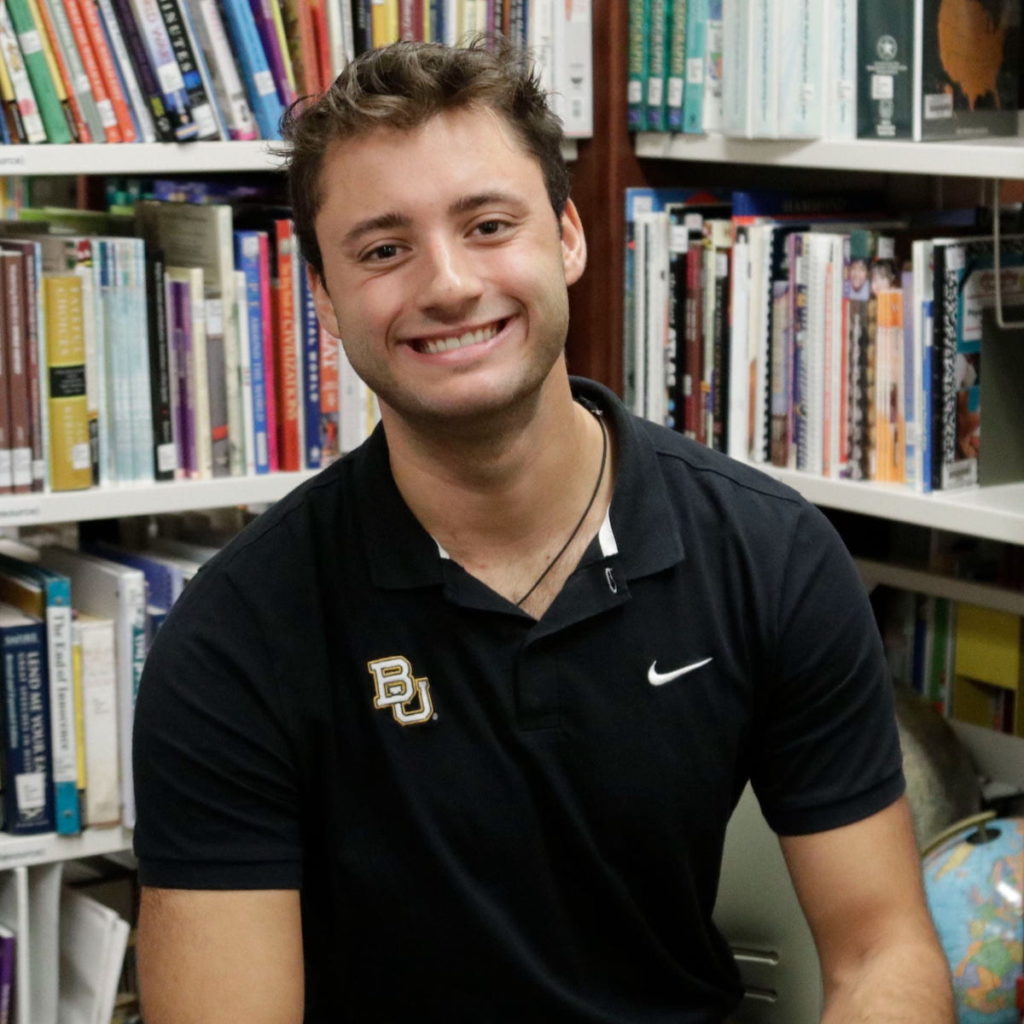
Vandergriff High School, Leander ISD
Eleventh Grade U.S. History
“I knew engagement and relationships were going to be the biggest hurdles this year, and I really felt like my time at Baylor helped prepare me to make the adjustments necessary to have a great year. . . . To keep students’ attention, I knew they needed to be a part of the lesson, not just an observer. . . . I ended up finding a collection of tools that allowed me to embed questions into my presentations that would prompt questions to the entire class while I was teaching.”
READ AUGIE’S COMPLETE REFLECTION
Sahira Kodra, BSEd ’20, Elementary Education
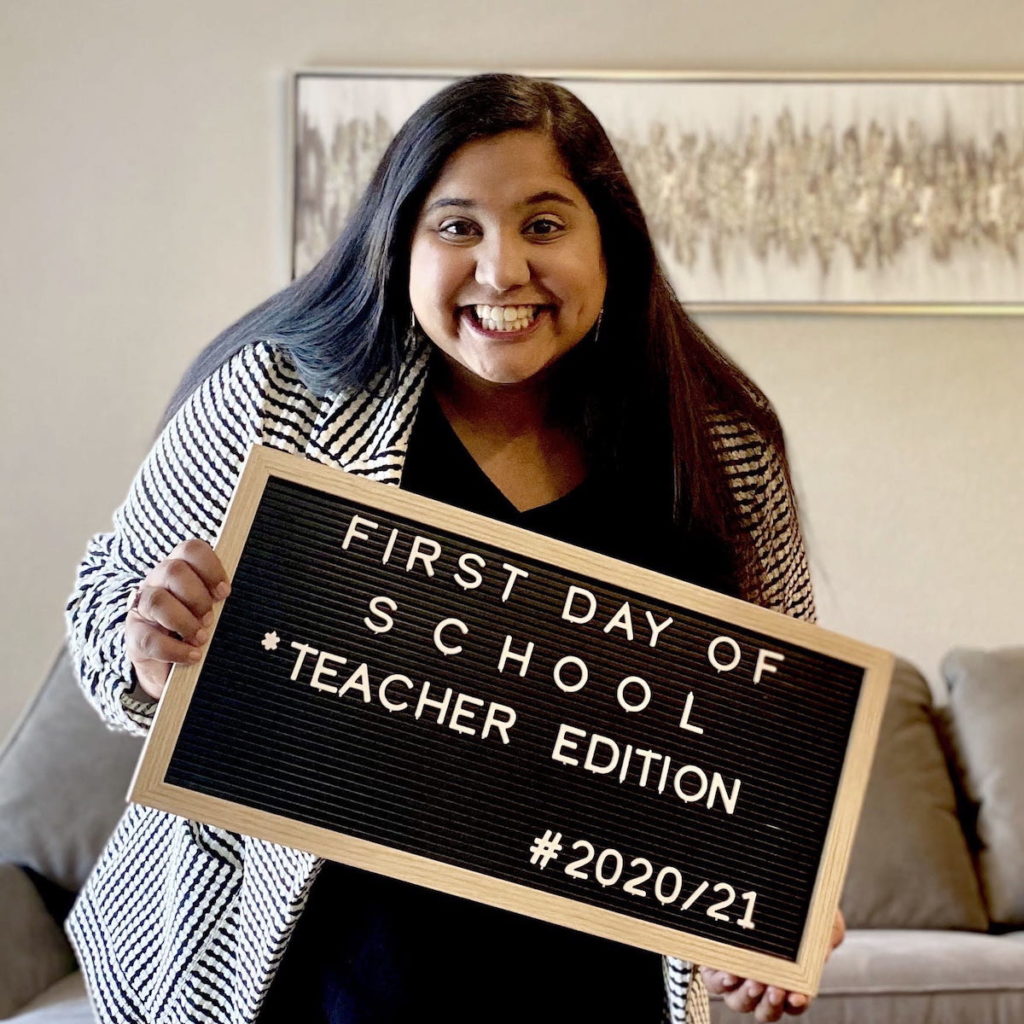
Akin Elementary, Leander ISD
Fourth Grade
“All my Baylor classes and time in the classroom prepared me for teaching, but I think nothing prepared me for teaching virtually all of my first year. Baylor also instilled a love of learning in me that I was able to pass down to my students. . . . My favorite memory was when my students and I participated in an escape room I created — thanks to Dr. Neil Shanks. We had done an in-person escape room in his methods class, I reached out and asked him a few questions. I then created a math escape room that allowed my students to go through it in teams while being virtual.”
READ SAHIRA’S COMPLETE REFLECTION
Cami Cox, BSEd ’20, Elementary Education
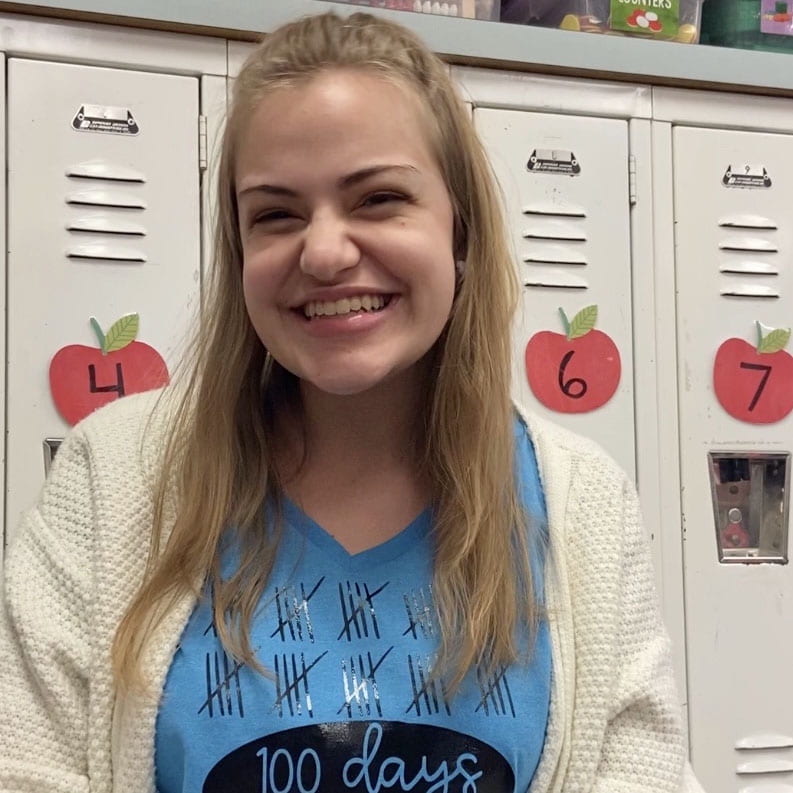
Cypress Elementary, Leander ISD
First Grade
“Going from virtual to in-person to being quarantined to the constant revolving door of students, change was the name of the game! I grew so much this year, and I will carry the lessons I learned throughout my teaching career. . . . All the different experiences I had through Baylor definitely prepared me. . . . One of my students told me, ‘Ms. Cox, I know you’re a new teacher, but I like that you change stuff up. It makes it fun!’ I’m really glad she thought so because this year was full of change!”
READ CAMI’S COMPLETE REFLECTION
For more than 100 years, Baylor educators have carried the mission and practices of the School of Education to classrooms and beyond as teachers, leaders in K12 and higher education, psychologists, academics/scholars, and more. With more than 50 full-time faculty members, the school’s growing research portfolio complements its long-standing commitment to excellence in teaching and student mentoring. Visit www.baylor.edu/SOE to learn more.
The Act Locally Waco blog publishes posts with a connection to these aspirations for Waco. If you are interested in writing for the Act Locally Waco Blog, please email Ferrell Foster at [email protected].
By City of Waco staff
The City of Waco, Lions Park Trust Board, and many community partners are pleased to announce the revitalization of Waco’s beloved treasure, Lions Park, at 1716 N. 42nd St. John Tipton, immediate past president of the Waco Founder Lion’s Club and a member of the Lions Park Trust Board, said they are interested in a larger partnership that will allow for planning, revitalization, and most importantly, a continuation of this special park venue for children.
“We are grateful for our patrons, volunteers, and the entire community’s support of Lions Park over the years and look forward to the next phase in partnership with the City of Waco and other community organizations. The future of Lions Park is bright,” said Tipton.
According to City Manager Bradley Ford, while the park will temporarily close to undergo a strategic planning and rebuilding process, the City of Waco anticipates committing $2 million to ensure the brightest future for Lions Park.
Lions Park was established in 1952 by the Waco Lions as a unique and popular place for children. Volunteers and community organizations, such as the Junior League of Waco, have donated hundreds of hours and resources to the park.
“Lions Park is a unique place for families to gather, and I’m excited we have the opportunity to reimagine this park so it continues to be the community asset it has been for nearly 70 years,” said Mayor Dillon Meek. “Our community remains deeply grateful to the Waco Lions for building and maintaining this unique family treasure over the years. I also want to assure the children of Waco that while adults will be involved in the planning process, we will certainly include our young people for help with the design and amenity selection. After all, this park is for the children of our community.”
In 2018, Waco Foundation convened a group of partners interested in the park and ultimately commissioned a survey receiving more than 2,000 responses. Results of the survey were overwhelmingly positive when asked about the park’s value to the community. Additionally, many indicated a desire to support the park by donating time, money, and input.
“The survey allowed us to better understand how the community feels about Lions Park,” said McLennan County Judge Scott Felton. “It is crystal clear that the park is not only a valued place for entertainment but a true gathering spot for families across Waco that spans generations. I am just one of many grandfathers who brought my children and grandchildren to the park for a one-of-a-kind experience in McLennan County. Now we have the chance to revitalize this community asset to make sure Wacoans now and into the future will be able to enjoy everything it has to offer.”
Activities at the nearby BASE facility will complement the park and enhance visitor and resident experience. Wes Allison, president and CEO of Heart O’ Texas Fair and Rodeo, is interested in the future of the park, as well. “As our neighboring campus continues to expand with new facilities like the BASE at Extraco Events Center, it is really helpful to know how important Lions Park is to our community. The HOT Fair & Rodeo has wide-ranging experience with family entertainment and attractions, and so we will look for ways to partner and provide our expertise in future plans.”
The immediate future of Lions Park includes continued meetings of community partners, site plans, and community fundraising. All plans will be designed to preserve the Waco Lions’ intent and the final project will remain affordable and relevant for Waco families.
Community members interested in learning more, receiving updates, and potentially contributing to the future of the park should sign up for updates at lionsparkwaco.com.
Community partners that participated in initial convening:
- Waco Lions International
- Waco Foundation
- Heart of Texas Fair and Rodeo
- Junior League of Waco
- McLennan County
- City of Waco
- Waco City Council
- United Waco
- Waco City Council
- United Way of Waco-McLennan County
- Rotary Club of Waco
- Baylor University
- Waco Parks and Recreation
By MCC Marketing & Communications
McLennan Community College has introduced a new scholarship opportunity recognizing McLennan County high school students ranked in the top 11-20% of their class at the end of their junior year. The Rising Star scholarship is an extension of the current McLennan Scholarship, which offers free tuition for McLennan County students ranking in the top 10% of their high school class.
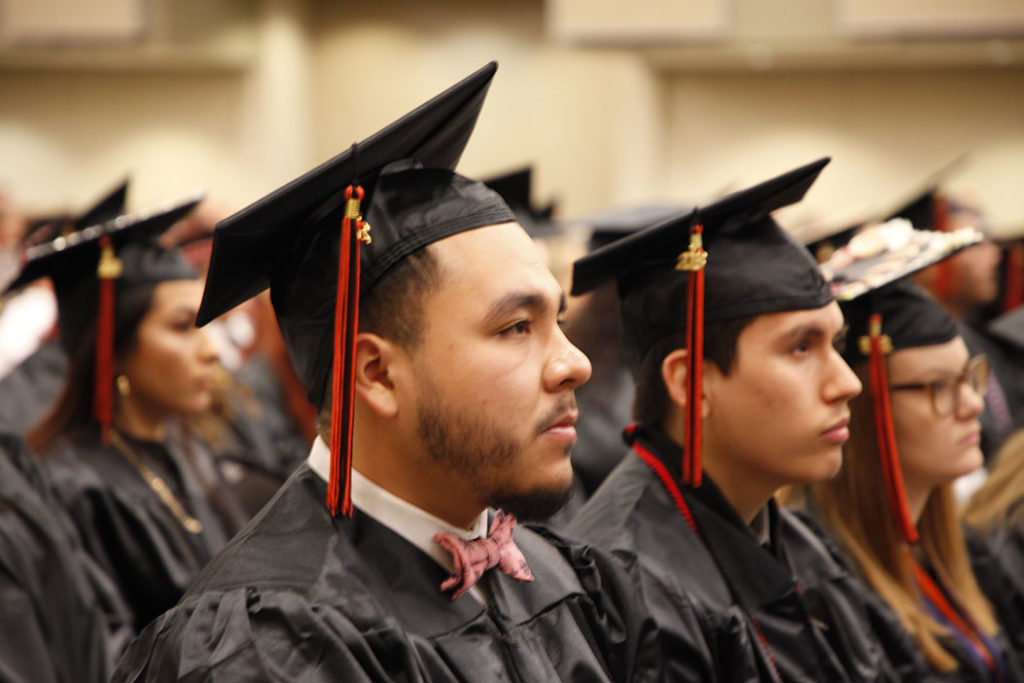
Rising Star Scholarships cover 50% of tuition and fees at McLennan for four semesters, excluding summer terms, and are valid for four long semesters after high school graduation. Recipients must enroll full time (12 credit hours or more per semester), maintain a cumulative grade point average of 2.5, and complete the free application for Federal Student Aid (FAFSA) at www.fafsa.gov. Recipients will be notified by McLennan’s Financial Aid office and their high school principal at the end of their junior year.
MCC has also made significant changes to the McLennan Scholars program, which recognizes students in the top 10% of their class. Scholarships will be awarded to students based on their ranking at the end of their junior year in high school. McLennan Scholars receive 100% tuition and fees for four semesters, excluding summer terms, after high school graduation, and these scholarships are valid for four long semesters after high school graduation.
Recipients must enroll full time (12 credit hours or more per semester), maintain a cumulative grade point average of 3.0, and complete the free application for Federal Student Aid (FAFSA) at www.fafsa.gov. Recipients will be notified by MCC’s Financial Aid office and their high school principal at the end of their junior year.
Both the McLennan Scholars and the Rising Star Scholarship programs are also available to five home schooled students in McLennan County. These students must complete the McLennan Community College Foundation scholarship application and indicate their interest in the home school McLennan Scholars or Rising Star Scholarship.
For more information about these and other scholarship programs at McLennan, visit www.mclennan.edu/scholarships/index.html. Or contact Shelley Cotten at the MCC Foundation at [email protected] or 254-299-8818.
The Act Locally Waco blog publishes posts with a connection to these aspirations for Waco. If you are interested in writing for the Act Locally Waco Blog, please email Ferrell Foster at [email protected].
Anyone interested in being appointed to fill the vacancy is encouraged to submit a letter of interest.
By Josh Wucher
During the July 22 meeting of the Waco ISD Board of Trustees, Allen Sykes announced that he plans to resign as a school board member as soon as his replacement is sworn into office. Sykes represents Waco ISD Trustee District 5, which includes the neighborhoods between Richland Mall and the lake as well as some areas near Baylor University. He was first elected to the board in 1999 and is the longest serving of the district’s current board members.
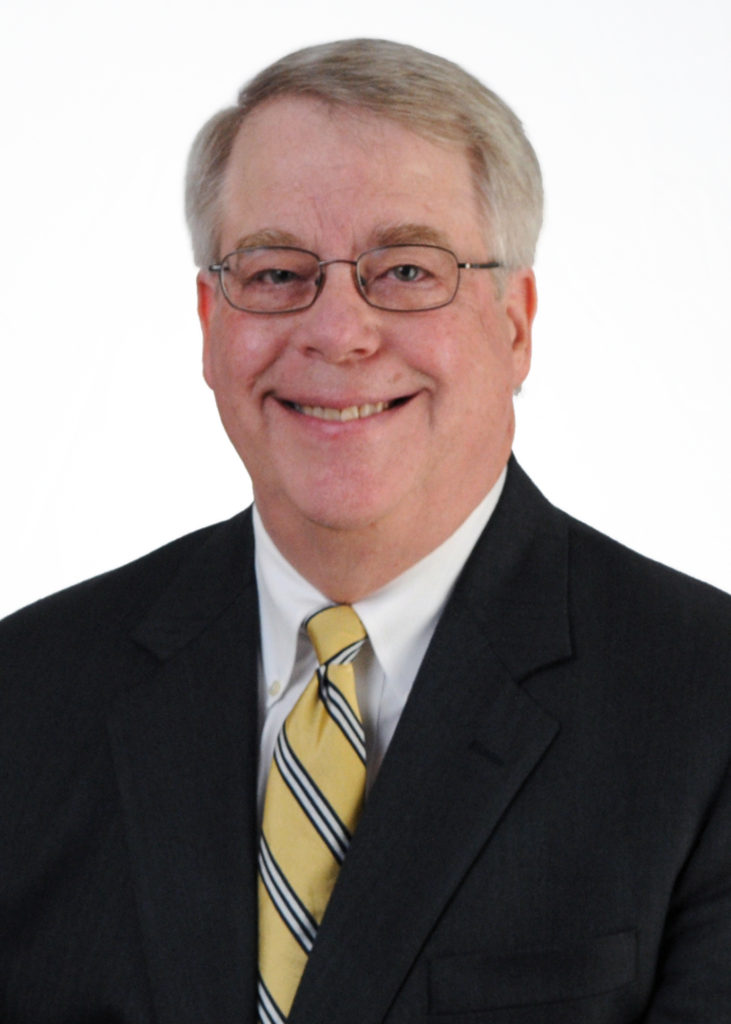
In a letter to fellow board members, Sykes wrote that the timing of his resignation was “based on other commitments making it increasingly difficult to allocate sufficient effort to fulfill the requirements entrusted to me.” He also noted his gratitude to the voters who elected him to represent them and his hope that making the announcement now will allow others who wish to serve the community to consider this opportunity.
Reflecting on 22 years of service, Sykes noted that the district has changed in meaningful ways since he was first elected. Among the changes that he highlighted was the construction of University High and the improvement of other campuses made possible by voter approval of a $172.5 million bond package in 2008.
Sykes’ announcement comes as the board is considering asking voters for approval of a $376.1 million bond package. Earlier this year, a community advisory committee recommended that the board consider replacing Waco High, G.W. Carver Middle, Tennyson Middle and Kendrick Elementary with new schools built in the same location as the existing campuses. The board will decide whether to call a bond election for November at their next meeting on Aug. 12.
“The bond election being considered at this time will have major impact on the Waco community, and I am in complete support of the broad scope as determined by the tireless work of the Community Advisory Committee,” Sykes wrote. “Under Dr. [Susan] Kincannon’s leadership, the district is well positioned to dramatically improve student performance with facilities aligned to promote achievement through well planned and designed learning environments.”
Board President Angela Tekell announced that the board will discuss filling the vacancy created by Sykes’ resignation at their meeting on Aug. 12. Sykes’ current term ends in May 2022, and the board can appoint a replacement to serve through the end of the term, call a special election to fill the vacancy until that time, or leave the vacancy unfilled until May 2022 when voters will elect someone to a new three-year term representing District 5.
Anyone interested in being appointed to fill the vacancy is encouraged to submit a letter of interest describing their qualifications and why they want to serve on the board to the board president no later than Aug. 23. Letters can be delivered to the Waco ISD Administration Building, 501 Franklin Ave, Waco, TX 76701. They can also be emailed to [email protected].
To be eligible to fill the vacancy, an individual must be registered to vote, be a resident of the state of Texas for at least one year, and be a resident of District 5 for at least six months. A map of the trustee districts can be found online at wacoisd.org/trusteedistricts
“Allen has been a thoughtful voice for our students and employees for more than two decades,” Dr. Susan Kincannon, superintendent, said. “He has a remarkable legacy of service on this board and in our community. While Allen may be stepping down from the board later this year, I have no doubt that he will continue to make a difference in the lives of our students.”
A senior vice president at Extraco Banks, Sykes is a CPA by training. He also serves as the secretary of the McLennan County Appraisal District Board of Directors and a member of the Waco ISD Education Foundation Board of Directors. His wife, Jane, retired from Waco ISD earlier this year after 35 years as a teacher at Tennyson Middle and Parkdale Elementary. They have two adult sons, who are Waco High graduates.
Joshua Wucher is Waco ISD’s executive director for communications.
The Act Locally Waco blog publishes posts with a connection to these aspirations for Waco. If you are interested in writing for the Act Locally Waco Blog, please email Ferrell Foster at [email protected].
From a release by Jennifer Marshall-Higgins
Out of 77 school districts across the 12-county education service area of Region 12, two outstanding educators have been selected for the top teaching award — the 2022 Region 12 Teachers of the Year. Krystle Moos of Midway High School is Secondary Teacher of the Year. James Cook of Cedar Valley Elementary in Killeen ISD is Elementary Teacher of the Year.
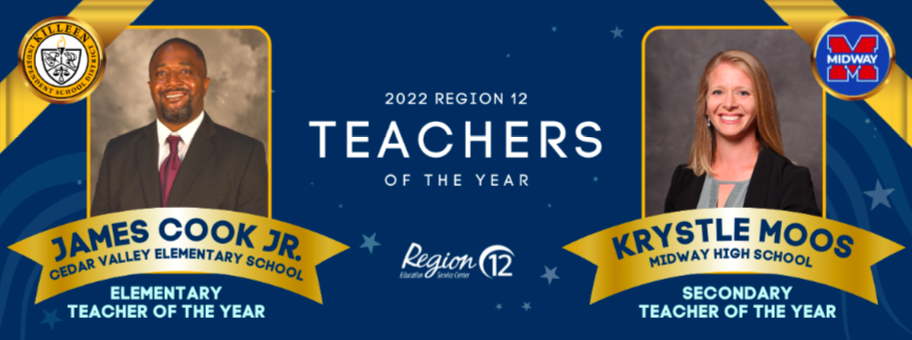
“We are extremely proud of these remarkable educators,” said Jerry Maze, Ed.D., executive director of ESC Region 12. “The time and energy they dedicate to their students, their peers, and the profession is truly an inspiration for others to follow.”
Krystle Moos has been teaching for 12 years, currently serving as a chemistry teacher at Midway High. She is also a professional learning community leader anda science fair and science UIL coach. Before joining the Midway Panthers in 2012, she was a teacher for Waco ISD.
“Mrs. Moos is unsurpassed in enthusiasm and motivation,” said Midway ISD Superintendent Dr. George Kazanas. “She is magnetic; the AP Chemistry program has tripled and flourished as students continue to flock to her classroom and excel in AP testing. Beyond academics, Mrs. Moos takes a sincere interest in connecting with each student. I could not ask for more from any educator. She is so deserving of this honor!”
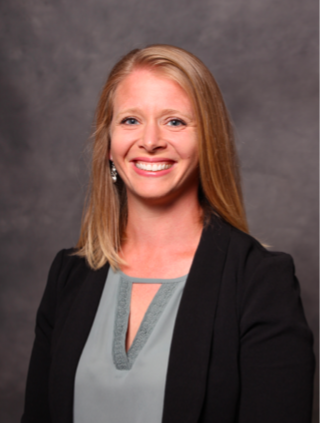
The daughter of a science educator, Moos began with a passion for uncovering the science in the world around her. She brings this passion into the classroom through hands-on lab experiments and lessons while building students’ confidence in working through complex concepts.
Inspired by her growth mindset, Moos emphasizes learning as a life-long process to master difficult topics. She encourages student growth through productive struggle and uses this principle to guide her chemistry lessons.
Moos creates and uses a positive environment to build relationships with students, help them celebrate small successes, and feel the support necessary to work through assignments. Knowing that students have different learning styles, she provides multiple opportunities to demonstrate learning, emphasizing understanding processes rather than only having correct answers.
Through these instruction practices, she sees students gain a deeper understanding of the content, motivation increase to solve problems — driving an increase in assessment scores, student engagement, and excitement.
Much to the credit of Moos, enrollment in advanced-placement chemistry has tripled over four years, with ongoing student-to-student mentorship that extends after high school. AP chemistry is now more diverse than ever before while maintaining AP exam scores above the global and Texas averages.
The impact she sees through her mentoring and student leadership in STEM and science activities encourages Midway students to keep pushing boundaries within each lesson to continue to inspire students in realizing their full potential.
Moos’s classroom culture encourages scientific inquiry and builds scientific interest, often transcending the classroom, crossing over to other subjects and programs. One example includes a program for students at the high school to mentor intermediate students to develop projects based on science-related issues.
Another example of her efforts to expand effectiveness across classes and grades includes her role in the growth of the district’s Advancement Via Individual Determination (AVID) program for high-achieving students from groups underrepresented in college. Moos learned that the program provides benefits for all students in every classroom and worked with the team to develop lesson formats for teachers to use in science classes that would benefit all students. This includes coaching science teachers in strategies, such as developing problem-solving journals and incorporating gallery walks of laboratory reports connecting, writing, collaboration, and reading in the laboratory investigations.
Moos is also a teacher leader for APTeach and works on the National Board for Professional Teaching Standards certification process. From leading worldwide professional development sessions to hosting pre-service teachers in the classroom, she hopes to inspire current and future education leaders and foster a classroom that embraces diversity in learning by celebrating the productive struggle for students.
Moos holds a bachelor’s degree in biology from Hartwick College and teacher certification in science. She is married to Scott Moos, an engineer at L3. They have three children.
As Region 12 Teachers of the Year, Cook and Moos will serve as nominees for Texas Teacher of the Year, which TASA will announce in mid-August. Also, the Region 12 Superintendent of the Year is Dr. Brandon Hubbard, Superintendent of Chilton ISD.
Jennifer Marshall-Higgins is director of customer & marketing services for the Region 12 Education Service Center.
The Act Locally Waco blog publishes posts with a connection to these aspirations for Waco. If you are interested in writing for the Act Locally Waco Blog, please email Ferrell Foster at [email protected].
By Suzii Paynter March
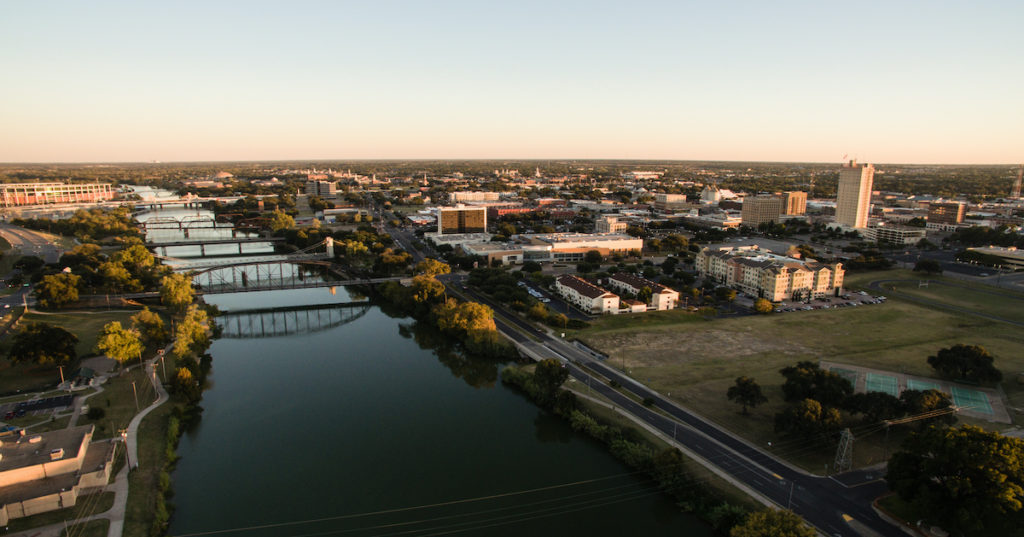
Once upon a time a city on the Brazos decided to settle into a system of confusing and expensive organizations and barriers that made it hard for citizens to get health care. It worked.
In Brazos Town, more than 4,500 people now visit the two hospital emergency rooms every year — the most expensive and least consistent care in town. Better yet, more than 1,000 people visit the emergency rooms 4-12 times a year, and these are not the true frequent flyers.
In Brazos Town, if you have a seriously disabled child born and cannot cover the astronomical cost of their essential care, you can wait six years for your child to be eligible for state insurance services.
The base for most insured folks are employers. Some employers offer health insurance — at least to their full-time employees. Other employers, however, thought insurance was getting too costly for their budget, so they started hiring more and more part-time workers who are not eligible for coverage. The employer saves money, the health of the community suffers.
“We added 100 new jobs!” They cheer. “So great for Brazos Town!”
Others remind us that 50 full-time employees lost health insurance for themselves and their families.
So more people go without Insurance even while working. If you do not have a good full-time job and an employer with health insurance for you, you can apply for lower cost state health insurance, but to do so you will have to quit your job, lower your income to less than $400 a month, sell your car (no assets allowed for eligibility) and re-apply every six months. Of course, this state insurance is available only if you are a child, disabled, the mother of an infant, or pregnant. Single? Working for $400 per month? Without kids? Nevermind.
Caring for the record number of uninsured people becomes a problem. A program is started in Brazos Town to train 12 doctors a year. It is as if someone said, “Let’s put the burden of caring for all these folks on these trainees!“
Three classes at a time were in town, and this team of doctors in training and other training colleagues set up clinics where they practice for their training and care for Brazos Town folks for some services. There are waiting lists for services and referrals to specialists from these clinics, and some specialists are available only for those with insurance from employers or every six months from the state.
The hospitals, the City, and the County budgets all chip in to help pay for the clinics and the the doctors in training, but these clinics that started out for training are busting at the seams and costs are growing every month. Fundraisers cannot raise enough money. And the City, County and hospitals have their own health-related costs, too, like emergency services, the county health office, epidemiologists for deadly pandemics, and programs for special populations.
Last year, Brazos Town endured the pandemic like every place else. Some predictable outcomes showed that people worked together and pulled together, but the toolbox for services to everyone was exhausted, as were the health care professionals trying to serve Brazos Town.
Sometimes there is wisdom in the right question: One 10-year-old child said to her mother at 8 p.m. after a day in the emergency room, “Mama, can’t we have a simple way to fix my asthma that doesn’t go to the ambulance place?”
“No,“ Mama replied. “This is the Brazos Town way.”
(Brazos Town, all these incidents and more have come across my inbox this year.)

Suzii Paynter March is chief executive officer of Prosper Waco.
The Act Locally Waco blog publishes posts with a connection to these aspirations for Waco. If you are interested in writing for the Act Locally Waco Blog, please email Ferrell Foster at [email protected].