
For many, the turn of the calendar marks new beginnings, and the Greater Waco area, in agreement, has stepped into another year of development. Alongside the construction and traffic of infrastructure improvements, budding business adventures are opening their doors to new possibilities in Waco.
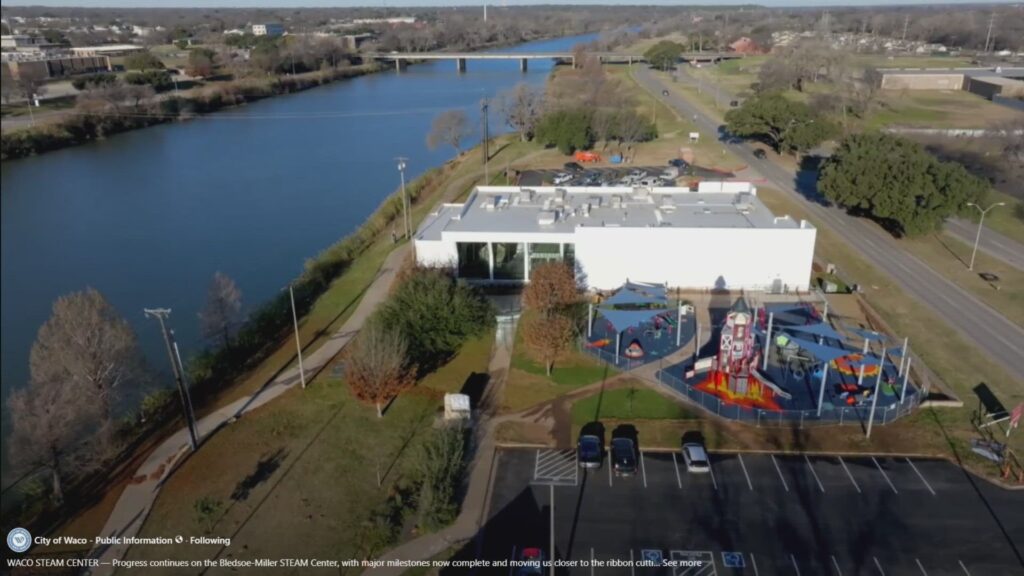
Recently, the Bledsoe-Miller STEAM Center celebrated its launch directly on the banks of the Brazos. The Bledsoe-Miller STEAM Center provides a thriving environment for science, technology, engineering, art, and mathematics, where Wacoans of any age can learn, play, and work in a space dedicated to their creative and educational advancements. With teaching kitchens, robotic laboratories, recording studios, and standard playgrounds, there is no dream too big to create at the Bledsoe-Miller STEAM Center.

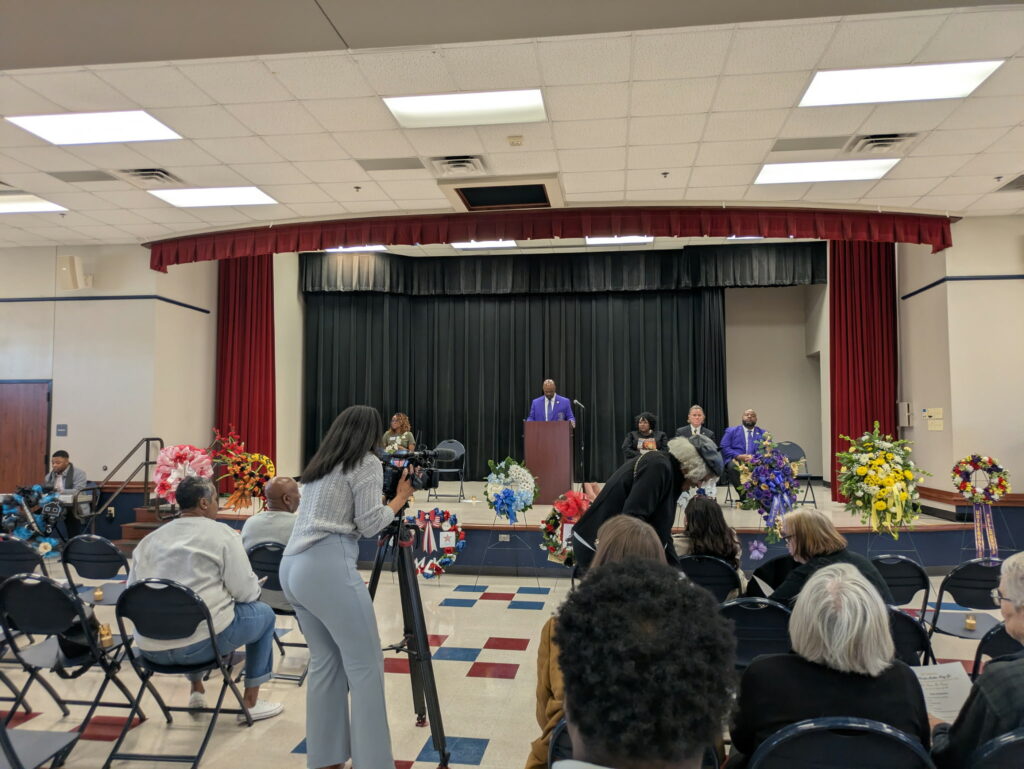
Dreaming big has never been a bad thing, and as we approach Black History Month, we take a necessary moment to celebrate one of the most influential dreamers in American History, Reverend Dr. Martin Luther King Jr., who is nationally honored on the third Monday of January each year. Here in Waco, the Community Race Relations Coalition annually hosts a Wreath Laying Ceremony to commemorate the work of Dr. King and all other Civil Rights leaders. While honoring the contributions and legacies of Rev. Dr. King, this event includes various activities aimed at reflecting on Dr. King’s vision of equality, justice, and peace. Community leaders, activists, and speakers often share their thoughts on Dr. King’s impact and the ongoing struggle for civil rights, while encouraging participants to engage in service projects that embody Dr. King’s belief in serving others.
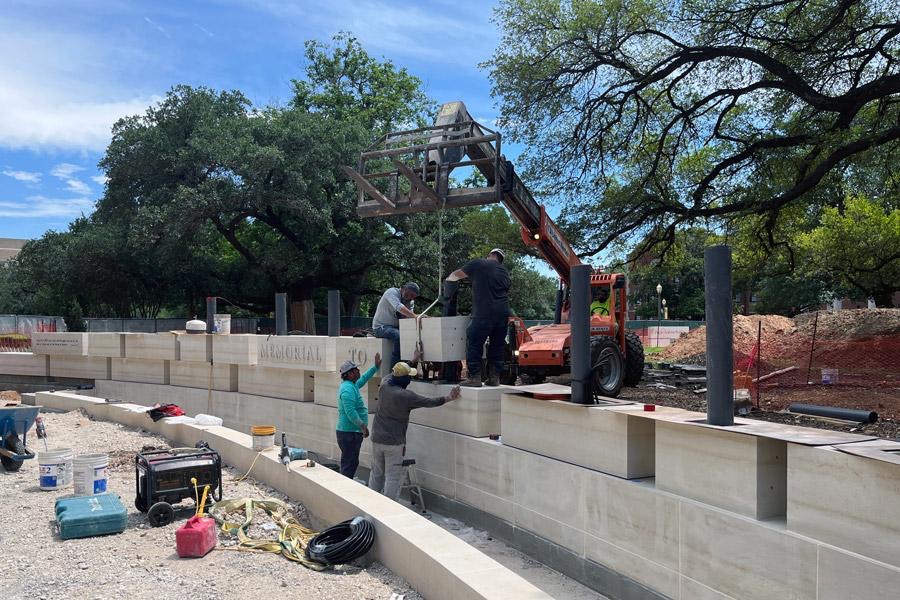
Baylor University’s campus looks a little different at the moment. There are fenced-off portions of campus undergoing obvious reconstruction, accompanied by the sights of orange cones and the shouts of crew workers. A major project at the heart of campus that is causing much of this congestion is a huge step towards Baylor’s future.

The Memorial to Enslaved Persons is restructuring Founders Mall to acknowledge the immoral use of chattel enslavement during the building of Baylor’s original campus in Independence and the activities of daily life for nearly two decades. On Baylor’s ‘Background & History for a Memorial to Enslaved Persons’ webpage, it states, “It is an acknowledgment of a challenging part of our history while helping us see the need for Christian repentance while we press toward renewal, reconciliation and restoration.” Unfortunately, this isn’t the only accountability Baylor needs to take.
Previously, Baylor University and the City of Waco attempted to reconcile with Indigenous populations that originally inhabited the area. In October of 2020, Baylor authorized research on the history of Baylor’s land and its connections to Indigenous People, and in November of 2022, the University presented a Land Acknowledgement during Native American Heritage Month. In May of 2022, the Baylor Board approved a four-phase plan to address priorities identified by the Commission on Historic Campus Representations:
Phase One is complete, with the new Campus Experience Project.
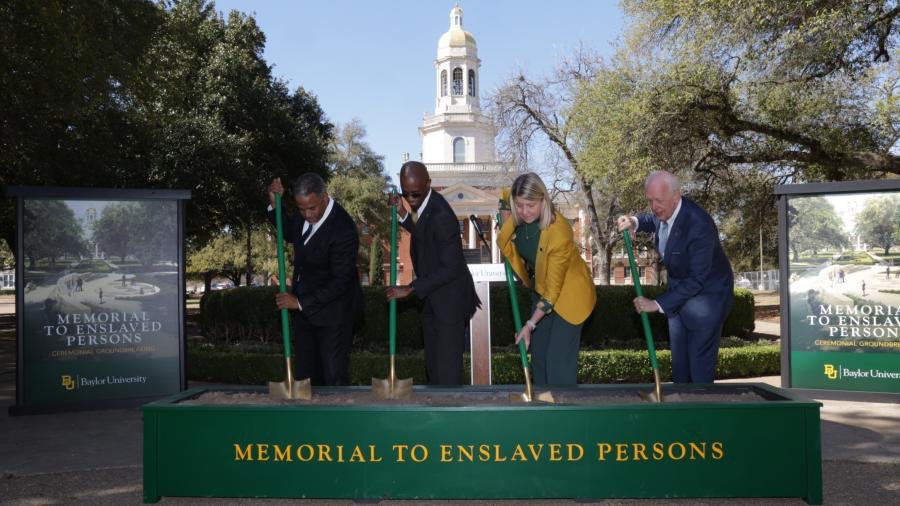
Phase Two formally began February 20, 2024, with the ceremonial groundbreaking for the Memorial to Enslaved Persons. This phase also includes additional historical context being placed around the existing Judge Baylor statue, connecting his history of enslavement with those individuals recognized by the Memorial.
Phase Three will include enhancements to Speight Avenue that explain how the land upon which Baylor sits evolved and was developed, often at the expense of communities and individuals already occupying the property.
Phase Four will feature improvements along the Quadrangle.
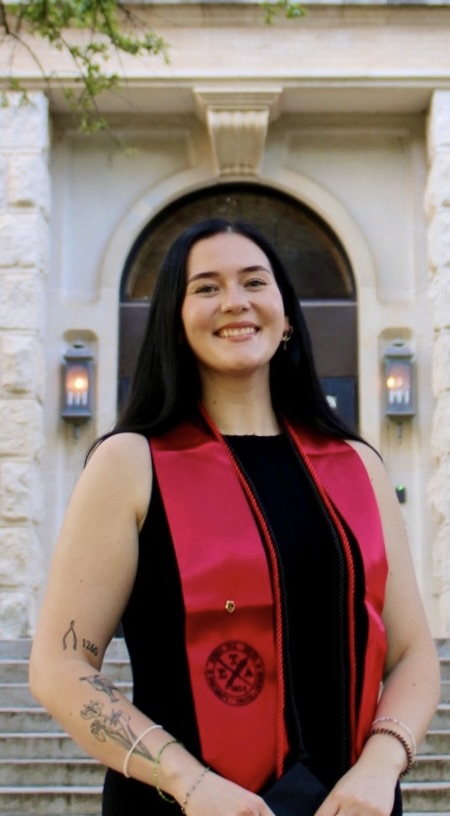
Elizabeth Riley hails from Tennessee and is a graduate of English Literature and Professional Writing & Rhetoric from Baylor University. With passions in archival preservation, communal connection, and women in sports, she writes because it matters, with hopes of bridging villages and fostering revelry amongst them.
The second weekend of June is busy for all of Waco! As summer temperatures return after a week of rain, expect neighbors and tourists alike to be soaking up the sun, tearing up the town, and gathering together in community.
FUN FACT: The earliest documented Waco celebration occurred in 1876, which included a two-thousand-person procession led by the Waco Colored Band and local societies, including the Rising Stars and the Young Men’s Club. The groups waved bright-colored banners and wore dazzling uniforms. The parade ended at Waco Creek, in the southern part of the city, where celebrants listened to various speakers and a reading of the Declaration of Independence. Afterward, they danced, sang, and ate together. Read more HERE!
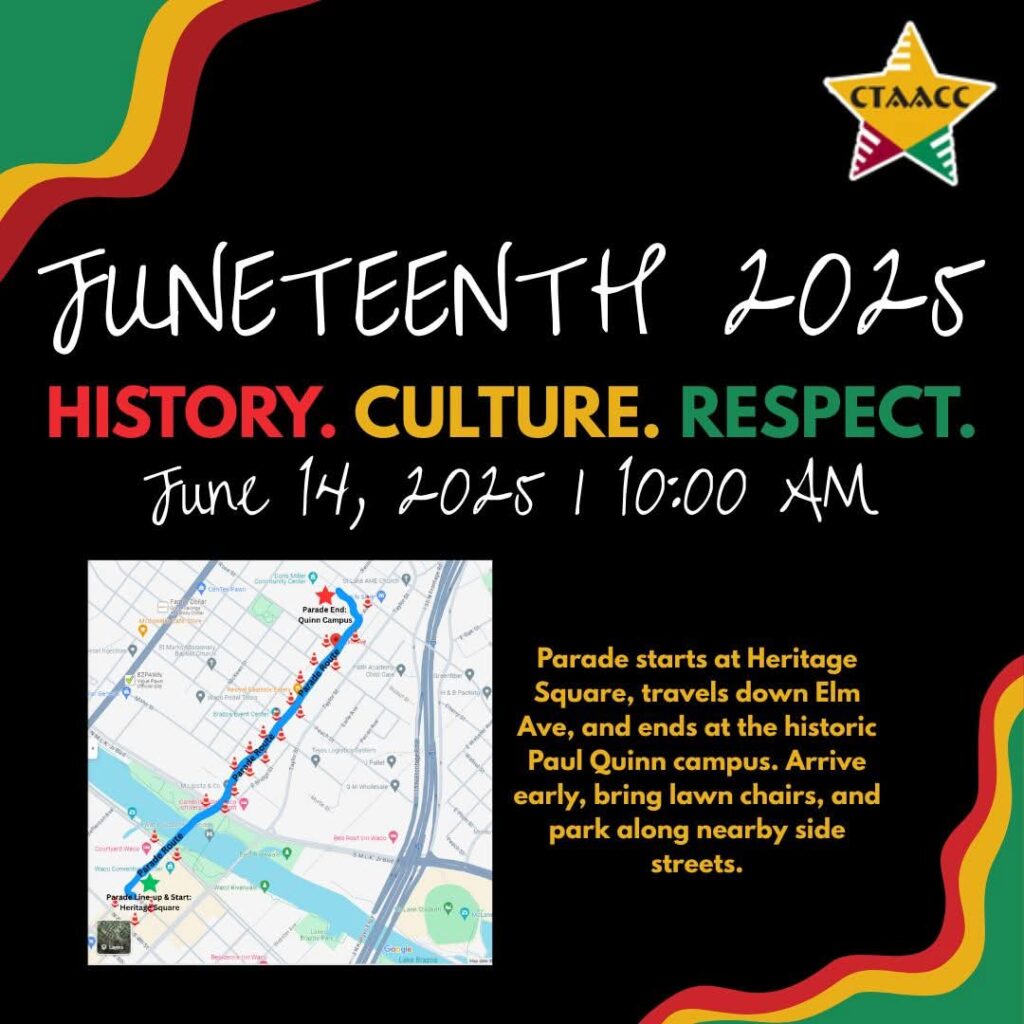
The farmers market will operate on normal hours, but don’t miss the parade starting at 10am! The Juneteenth Parade Celebration will kick off on Elm Avenue. This event, annually hosted by the Central Texas African American Chamber of Commerce, will be starting at Heritage Square Park, traversing down Washington Avenue, and ending at Quinn Campus in East Waco.
Join the community in reflection and celebration of Freedom Day! From noon to 1:30pm, the No Kings Protest will be gathering at Valley Mills Drive and Waco Drive in recognition of the Nationwide Day of Defiance. Setting up at what has been deemed Waco’s Freedom Corner, this event will continue commemorating the impact of Freedom Day, recognizing Flag Day and the genesis of the US Army, and protesting subjectivity within our own country.
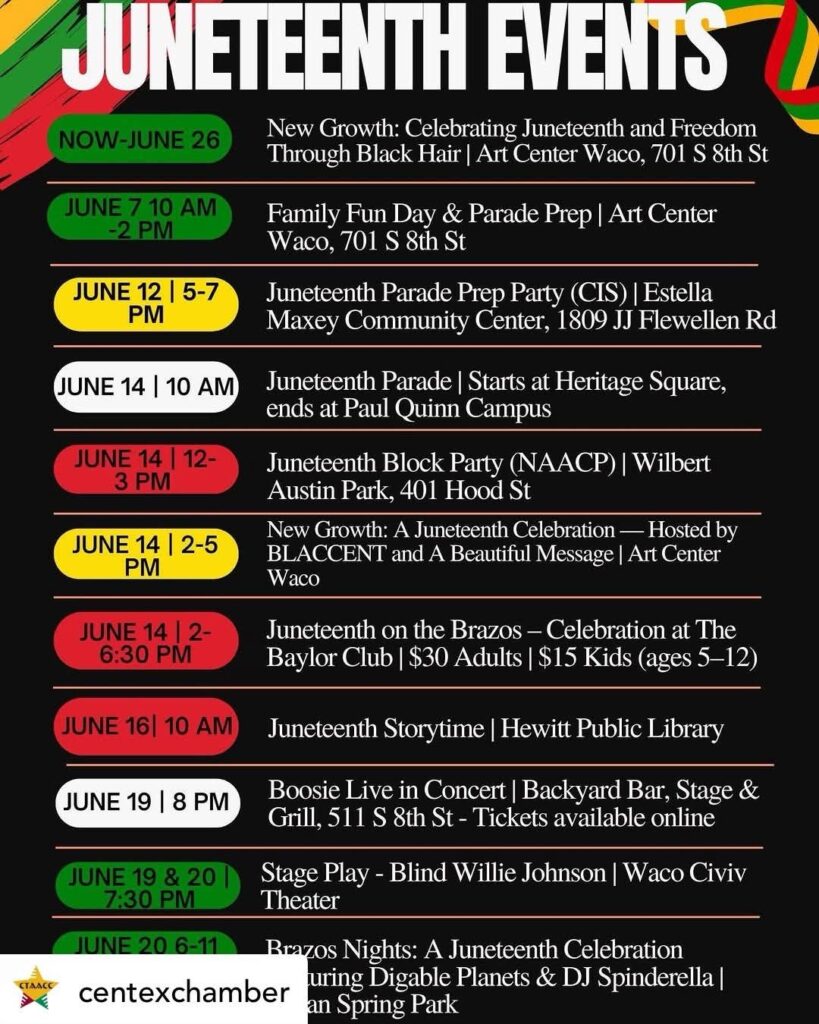
Art Center Waco screening the short documentary “I Have A Story To Tell” at 2pm. The film, presented and directed by De’Viar Woodson, documents the first year of A Beautiful Message, an art program founded by Vincent Thomas. The program encourages students to engage in mural painting, leadership training and exhibiting their artwork.
The screening is part of New Growth: Celebrating Juneteenth and Freedom Through Black Hair, a juried exhibition on view from May 22 to June 26. In collaboration with A Beautiful Message, Art Center Waco is showcasing works by 14 Texas-based African American artists who explore the cultural and historical significance of Black hairstyles—ranging from afros and cornrows to locs and braids.
These hairstyles represent both identity and resistance. According to African folklore, enslaved women used intricate braiding patterns to communicate escape routes and hide items like seeds and coins to support survival after escape. In this way, hairstyles became powerful tools for freedom and cultural preservation.
This weekend is the perfect time to get out and connect with the Waco community. Whether you’re exploring local art, attending special events or simply spending time with neighbors, there’s no better way to celebrate the creativity and culture that make our city so vibrant. Come out, show your support and be part of the story.
A Celebration of Heritage and Diversity
by: Debrah Wright
Black History Month serves as an annual tribute to the remarkable achievements of African Americans, highlighting their pivotal role in shaping the nation’s history. In Waco, Texas, we proudly participate in this celebration, fostering a sense of community and understanding through a diverse array of events throughout the month.
Originating from “Negro History Week,” conceived by historian Carter G. Woodson and other influential African Americans, Black History Month gained official recognition in 1976, with every U.S. president designating February as a time to honor the contributions of African Americans.
Waco’s rich history is deeply intertwined with the presence and influence of African Americans, dating back to the mid-nineteenth century when the first black residents, initially brought as slaves, played pivotal roles in the region’s development. Post-Civil War, they actively worked to rebuild their lives as freedmen and freedwomen, contributing significantly to the growth of Waco and McLennan County.
From the historic HBCU Paul Quinn College to the Farmers Improvement Society advocating for equal treatment post-Civil War, Waco’s Black history is filled with inspiring narratives. All Waco residents and visitors alike can celebrate Black History Month by exploring Black-owned businesses and participating in various events and learning opportunities throughout February.
Highlighted events include a Ceremonial Groundbreaking for the Memorial to Enslaved Persons hosted by Baylor University on February 23 at 1:30 P.M. and a Black History Walking Tour led by experts from Baylor University’s Institute for Oral History on Saturday, February 24th.
Join experts from Baylor University’s Institute for Oral History as they lead you through Downtown Waco for its third annual Black History Walk. Gain insights into historic locations during this educated tour, where guides will highlight influential Black figures like Waco’s first Black mayor, the initial Black female mayor, and the late Commissioner Patricia Miller.
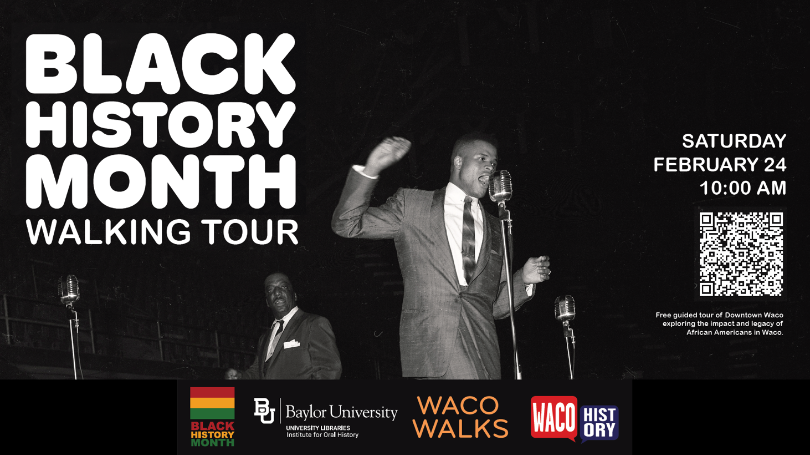
Notably, Waco’s Black history once thrived on Bridge Street, but after the 1953 tornado, business owners relocated to Elm Avenue. The walk commences at the McLennan County Courthouse in downtown on Saturday, February 24th, running from 10 a.m. to 12 p.m. Be part of this enriching journey uncovering the impactful stories woven into Waco’s historical tapestry.
Waco residents and visitors can also embark on a self-guided tour of Black history throughout the city, curated by Baylor’s Institute for Oral Histories and the Texas Collection. This tour, running from February 1 to 29, explores significant landmarks, churches, bridges, and businesses that contribute to Waco’s diverse heritage.
Additional events include “Black History in the Archives” on February 27th at 4 p.m., hosted by the Black Faculty & Staff Association and The Texas Collection at the Carroll Library, and an Afro-LatinX Cultural Heritage Celebration on February 28th, hosted by the Society for Advancement of Chicanos/Hispanics and Native Americans in Science at Baylor University in the Student Union Building at 5 p.m. There is also the Big XII Conference on Black Student Government, hosted by Iowa State University from February 29 to March 3, promises a series of engaging discussions and activities.
Explore the Mini Black History Museum at the Dewey Community Center before it closes on February 29th. The Dewey team has curated an excellent display, and the exhibit is available during the following hours:
Monday to Thursday: 9 a.m. to 9 p.m. (museum closed from 3 p.m. to 6 p.m.)
Friday: 9 a.m. to 3 p.m. (museum closed after 3 p.m.)
Saturday: 9 a.m. to 3 p.m.
Don’t miss the chance to immerse yourself in this enlightening experience celebrating Black history.
Furthermore, Creative Arts Experiences held throughout the month provide opportunities to delve into the works of influential Black authors, musicians, and theatrical performances.
Experience the enchanting melodies of America’s most original genre, jazz, with Baylor’s Concert Jazz Ensemble on February 29 at 7:30 p.m. in Jones Concert Hall, Glennis McCrary Music Building.
Join us in Waco as we commemorate Black History Month, embracing the past, present, and future of our diverse community.
By Dexter Hall
During my many readings about financial security and understanding how we arrived at this point in time, I have run across many articles and commentary.
An article by Rocio Sanchez-Moyano and Bina Shrimali, of the Federal Reserve Bank, sheds light on how years of financial exclusion of Black and Brown communities have led to many of our present-day problems and issues. The article, titled “The Racialized Roots of Financial Exclusion,” reveals the fact that access alone is not enough.
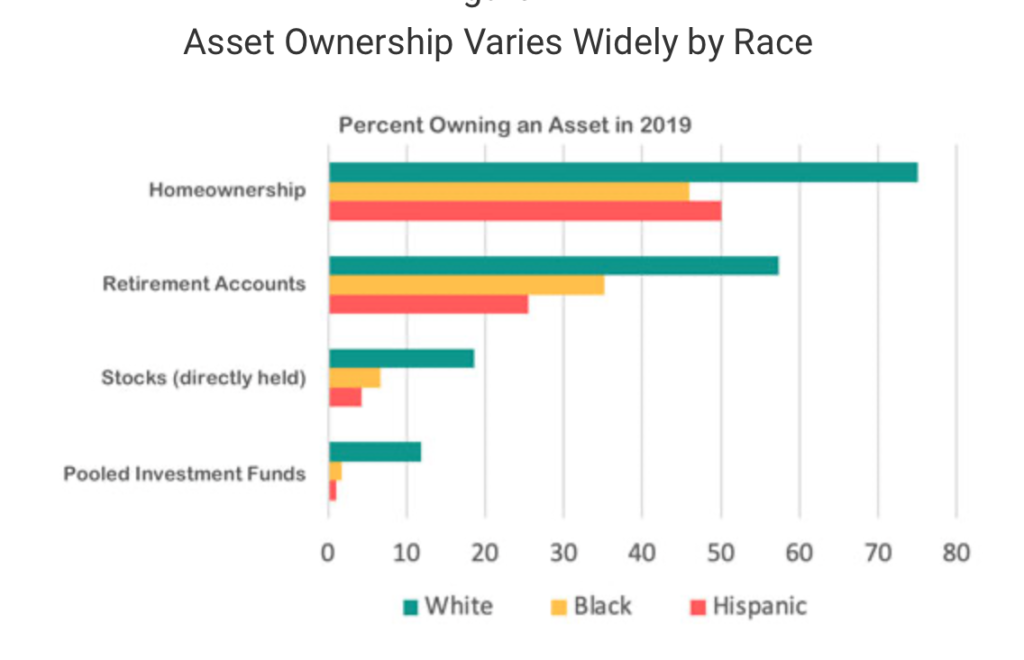
We often share information about redlining and racially restrictive housing covenants that were the law of the land in cities across America that barred “negroes” from buying in areas that were deemed “white” only.
Rocio and Bina share an example from a 1950 covenant on a property in Daly City, Calif. The covenant said: “The real property above described, or any portion thereof, shall never by occupied, used or resided on by any person not of the white or Caucasian race, except in the capacity of a servant or domestic employed thereon as such by a white Caucasian owner, tenant, or occupant” (cited from Richard Rothstein’s The Color of Law: A Forgotten History of How Our Government Segregated America, p. 78‒79).
Rothstein also cited a practice called blockbusting, which “refers to the practice of telling white homeowners that Black people are moving to induce concern about forthcoming declines in property values, which sometimes led to sales at a loss that were then sold to Black people at a profit” (Rothstein, p. 95).
The Rocio and Bina article discusses in extremely clear terms how the Black-White wealth gap came to be. More importantly, the authors help us understand why there is a need for direct investment in communities of color to balance the scale that was tipped purposely and intentionally.
Understanding the intersectionality of financial security to health and educational outcomes continues to be a bedrock of creating a more thriving community for all Wacoans. This is our challenge together in creating an inclusive economy for all.
In straightforward terms, when all people win, we all win. However, when one of our brothers and sisters loses or is left behind, we all lose.
The data we previously shared from the 1934 redlining map shows us where we should expect issues and problems today in Waco because of intentional non-investment in the past. The data today, 87 years later, show large amounts of poverty persist in East Waco and parts of South and North Waco. In other words, today’s poverty map mirrors the 1934 redlining map.
Implementing the City of Waco’s Financial Empowerment Blueprint is needed now more than ever. Let’s act today to change the future of Waco.
For more information on how to get involved in [email protected]. The time is now.
Please look at the full article by Rocio and Bina, as well as the documented research included in their endnotes.
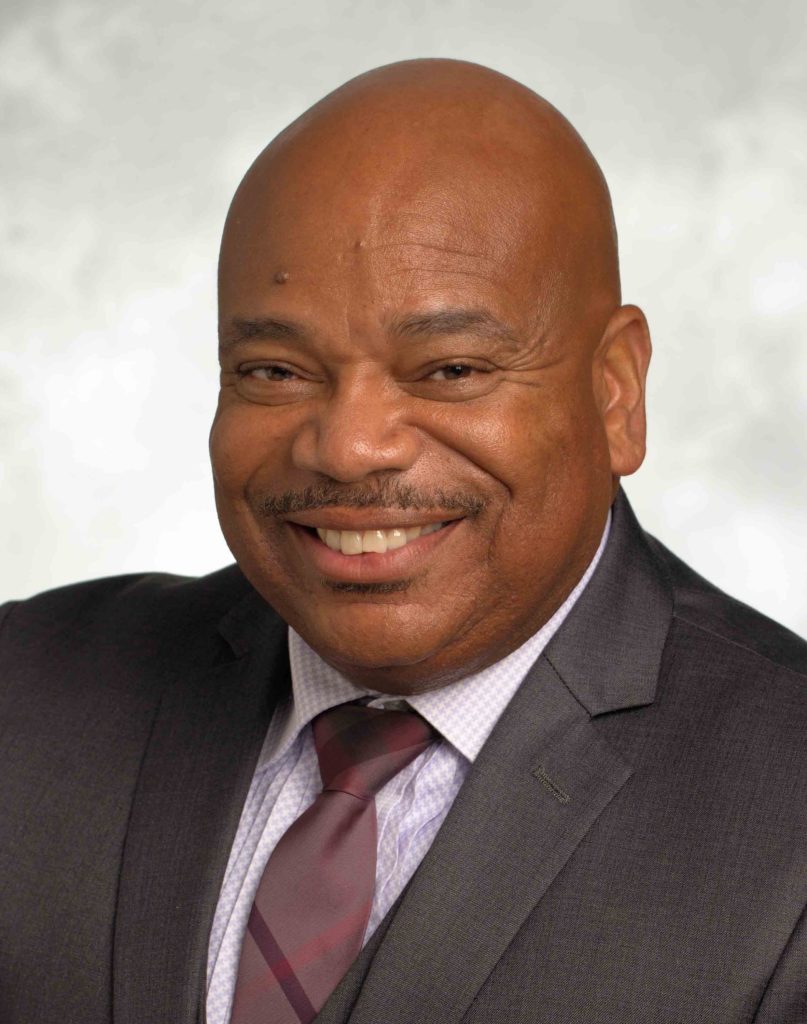
Dexter Hall is chief of staff and senior specialist for financial security with Prosper Waco.
The Act Locally Waco blog publishes posts with a connection to these aspirations for Waco. If you are interested in writing for the Act Locally Waco Blog, please email Ferrell Foster at [email protected].
By Katherine Turner-Pearson
With racism on the rise across America, I often hear people in our community say, “But that doesn’t happen here.” So, it dawns on me that we do not realize the amount of racism and actions of hate that occur within our own city.
I have spent years on the board of the Community Race Relations Coalition (CRRC) combating racism and trying to bring understanding between ethnic and cultural groups in our community, and this is one of the biggest obstacles we face — people not believing that racism occurs so close to home.
So often we are not even aware of our own cultural biases, much less aware of the biases and racism of others, or the daily experiences of those around us. But helping people recognize that yes, hate and racism does exist within our neighborhood, and yes, these things do happen in our town, is the first step in addressing racism and hate, and stopping it from spreading.
That is why I encourage everyone in our community to attend an upcoming webinar event presented by the CRRC in connection to recent Asian hate crimes and harassment in the Waco area, and consider joining the CRRC.
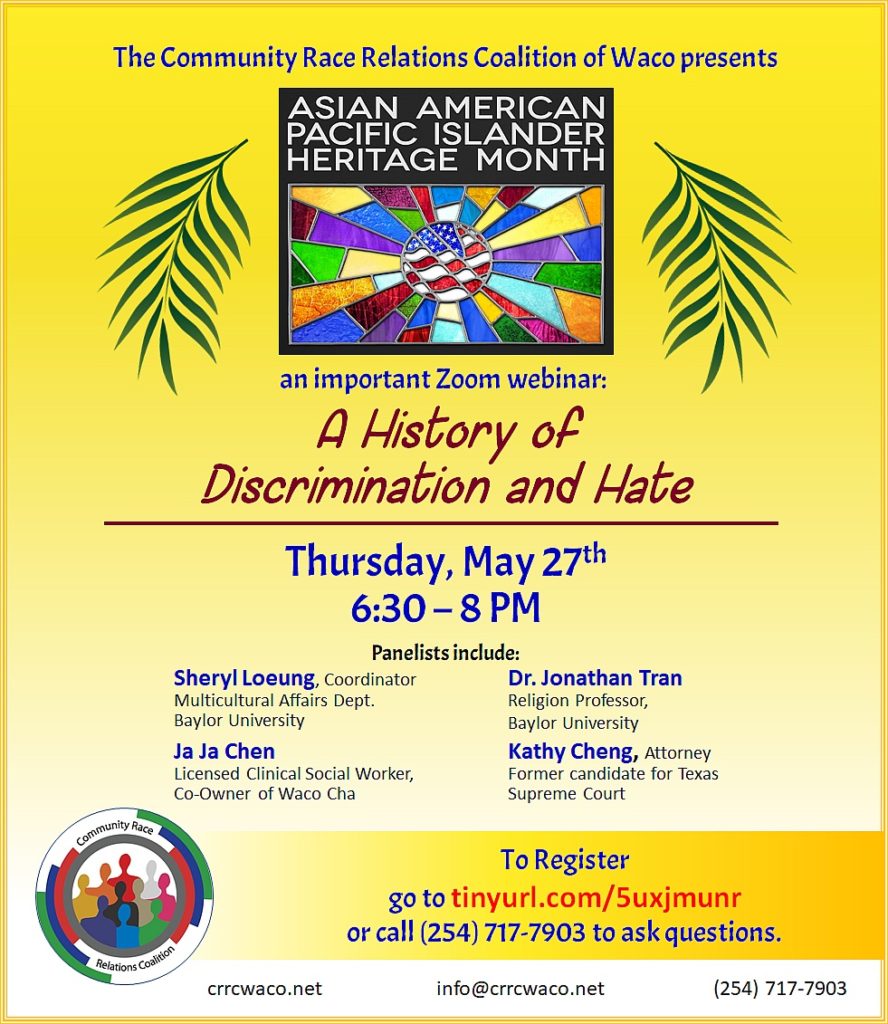
The McLennan County Community Race Relations Coalition is presenting a Zoom webinar, “A History of Discrimination and Hate in Asian Americans,” in connection to Asian American Pacific Heritage Month, Thursday, May 27, at 6:30 p.m.
The format will be a panel discussion concerning Asian racism in the Waco area. The panelists include: Jaja Chen, Licensed Clinical Social Worker and co-owner of Waco Cha; Jonathan Tran, Ph.D., associate professor of philosophical theology and George W. Baines Chair of Religion at Baylor University; Prof. Sharyl Loeung, coordinator Baylor University Office of Multicultural Affairs; and Kathy Cheng, lawyer at Cheng & Associates and former candidate for the Texas Supreme Court.
The audience will be able to ask questions. To sign up for this live event go to tinyurl.com/5uxjmunr and to ask questions call (254) 717-7903.
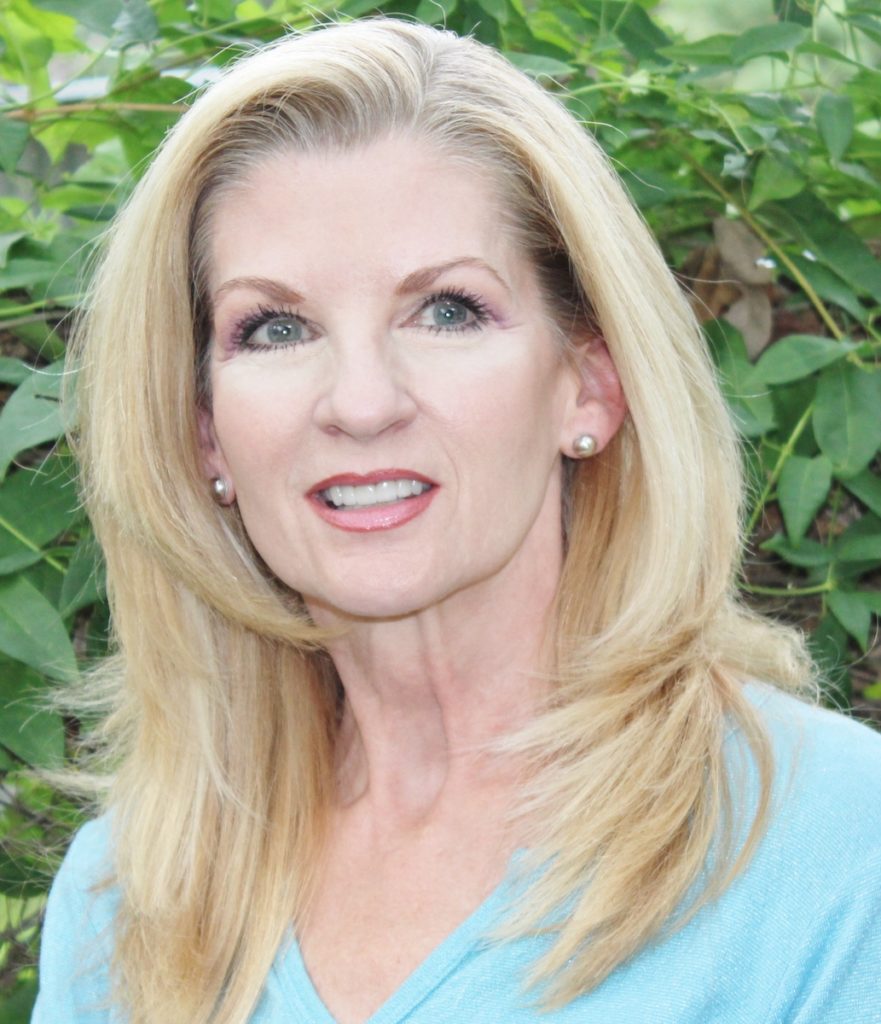
Katherine Turner-Pearson is a Registered Professional Archaeologist and owner of Central Texas Archaeological Resources. She is a native Wacoan and serves on the Board of Directors of the Community Race Relations Coalition and the Waco Vietnam Memorial. Previously, she served as president of the Central Texas Archaeological Society, vice-president of the Waco Cultural Arts Festival, board member of both the Waco American Heart Association and the Texas Archaeological Society, and member of the McLennan County History Coalition.
The Act Locally Waco blog publishes posts with a connection to these aspirations for Waco. If you are interested in writing for the Act Locally Waco Blog, please email Ferrell Foster at [email protected].
By Jeremy Rhodes
I’m currently reading a book by Heather McGhee called The Sum of Us: What Racism Costs Everyone and How we can Prosper Together. Her book begins with an analogy that can serve to illustrate many of the ways we can get in our own way.
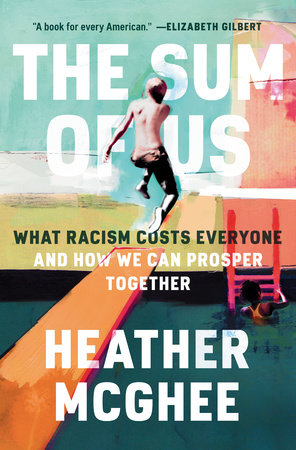
By the middle of the 20th century, many towns in America had invested in public swimming pools that were free for the members of their communities. However, attendance at these pools was usually limited to whites only. As Black Americans began winning the integration of public spaces through the 1950s and 1960s, these communities were forced to integrate their public swimming pools.
Many of them, however, refused to integrate. Some of the cities sold their public pools to private organizations, which could charge high fees for swimming, effectively re-segregating the pools. Many more communities decided to abandon the pools altogether, filling them in with concrete. These folks decided that it was better to eliminate a public good than to share that public good with Black people. So, no one gets to swim.
McGhee writes, “A once-public resource became a luxury amenity, and entire communities lost out on the benefits of public life and civic engagement once understood to be the key to making American democracy real.”
Heather McGhee’s analogy gives me a lot to think about. Many of us believe that the cost of racism is exclusively borne by people of color. However, as McGhee points out, racism creates an enormous cost for all of us, regardless of our race or ethnicity.
We would do well to consider the massive impact of all forms of racism, whether overt or subtle. When any of us deny resources to an underprivileged few, we are all made smaller.
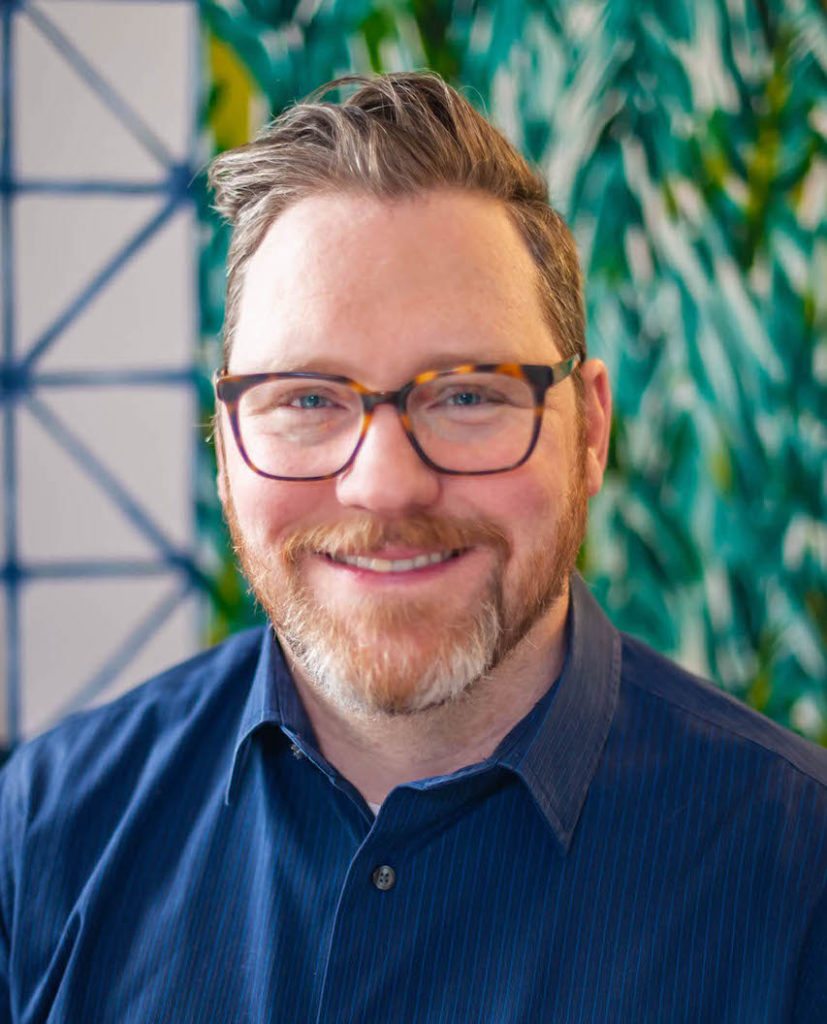
Jeremy Rhodes is director of research and community impact with Prosper Waco.
The Act Locally Waco blog publishes posts with a connection to these aspirations for Waco. If you are interested in writing for the Act Locally Waco Blog, please email Ferrell Foster at [email protected].
By Dr. Peaches Henry
Ahmaud Arbery, I don’t want to know your name,
Because knowing your name means your mother is grieving your unjustifiable death.
Knowing your name means you are an unarmed Black man who died at the hands of a white man—
A white man who thinks that he has the right to police your body
Whether or not he is a cop,
Whether or not, if he is a cop, you have committed a crime,
Whether you were simply living your best life,
Snacking on Skittles and iced tea,
Playing your music loudly while pumping gas,
Sitting on your couch eating ice cream,
Sleeping in your own bed,
Settling into a daily run,
Living while Black.
Ahmaud Arbery, I don’t want to know your name.
Because knowing your name means I must add you to that heartbreaking, breath-stopping, stomach-wrenching, always growing, never-ending catalog of murdered Black men, women, and children.
That did not begin with Emmitt Till nor end with Trayvon Martin or Eric Garner or Michael Brown or Tamir Rice or Freddie Gray or Sandra Bland or Philando Castillo or Alton Sterling or Bootham Jean or Breonna Taylor or George Floyd or countless more.
Yet knowing your name means to honor your life.
To say your name is the first step in the journey toward justice for you.
Knowing your name means to protest anti-Black violence,
To scream “Black Lives Matter” in the futile hope that the loss of your life matters.
Ahmaud Arbery, I don’t want to know your name.
Because knowing your name turns my mind to my own twenty-five-year-old son.
Like you, each day he goes for a jog in a predominately white neighborhood.
His neighborhood.
So Ahmaud Arbery, to know your name terrifies me
And causes me to double over in a silent wail of agony every morning,
And to breathe again only when the door opens to reveal my Black Eagle Scout, dean’s list, not-safe-at-home law student.
Ahmaud Arbery, I don’t want to know your name.
But I will learn your name.
I will memorialize you by ritually reciting your name in perpetuity.
I will remember it, because like Emmitt, Trayvon, Eric, Michael, Tamir, Freddie, Sandra, Philando, Alton, Bootham, Breonna, and George you deserved to live in obscurity unknown to me
Not killed by a white man’s bullet or knee on your neck.
I will stand with your mother, uphold your memory, and fight for justice,
Because my son jogs too.

Peaches Henry is an English professor at McLennan Community College. She is currently teaching online and sheltering in place with her eight-month old black Labrador puppy and her son who has returned home from law school.
By Rachel E. Pate
“In a racially equitable society, the distribution of society’s benefits and burdens would not be skewed by race.” – The Aspen Institute
Brief Rewind
Around this time last year, the City of Waco, our mayor and city council held a retreat addressing racial inequity within our community. J.B. Smith, Waco Tribune-Herald reporter, covered the story in “Waco council takes aim at racial disparities, gentrification” (May 23, 2019). Some of the staggering statistics gathered and presented by the city were highlighted in J.B.’s article, revealing that:
- Whites account for 43% of Waco’s population but hold 80% of the jobs paying more than $40,000 as of 2015.
- Among white households, 13.5% make less than $25,000 a year, compared with 25.3% among Hispanics and 51.1% among blacks.
- Nearly 29% of white households make more than $100,000 a year, compared with 3.3% for blacks and 8.7% for Hispanics.
- African Americans in 2017 had a 31% mortgage denial rate, compared with 20.9% for Hispanics and 11.7% for whites.
In the news article Councilman Dillion Meek stated: “I’ve always put a high value on grit and self-determination, but if the goal is to improve the economy, we have to look at systems from 100 or 150 years ago to now,” Meek said. “The outcomes from the data speak for themselves and are a direct result of the history of this community.”
Assistant City Manager Deidra Emerson was also quoted saying: “The end goal is to ensure that everyone in Waco thrives, including people of color. … The starting point for the next generation is the ending point of the last generation. If we don’t start to change those outcomes now, we’ll keep repeating the same things.“
Pandemic Proportions
Positioned against the backdrop of a once-in-a-century global pandemic, we all witnessed our nation’s institutions, systems, businesses and, most importantly, people brace for a great unknown together. As the virus spread, we were forced to mourn more and differently than before, all while swallowing disproportionate effects happening in communities of color. The Pandemic drastically changed so much of what we thought we once knew and added to the boiling pot of health disparities, income disparities, racial disparities and inequity in the fabric of America.
As the wave of concern swept through our nation, our local leaders were called to immediate attention and action; elected officials, health officials, business experts and volunteer task forces were all on one accord.
The Cen-Tex African American Chamber of Commerce (CTAACC), along with others, was right in the thick of early and ongoing discussions about community health and our local economy. Our staff immediately pivoted from pre-set work to intentionally and strategically supporting the needs of our community’s small and minority-owned businesses.
We partnered with the Cen-Tex Hispanic Chamber of Commerce to support immediate small business initiatives like our StarBridge Bingo and Buy Local Waco online marketing campaigns. We worked together to collect grassroots data from businesses, employees and people of color.
CTAACC was firmly seated at the table with the city and other community partners breaking down information, providing frequent updates and contributing solutions.
Collective Voices
While weeks of the shelter-in-place orders and social distancing continued, CTAACC assembled an informal advisory group to work alongside our staff and help create solutions for business equity. Community business members and leaders included Wannika Muhammad, Rev. Marlon Jones and Cuevas Peacock, who each added diversity, passion and perspective to the dialogue. Our group later became known as the CommUnity Voices team. United in tackling the tasks before us, we put our heads together and strategically planned our moves ahead.
Within our virtual, weekly think-tank sessions, each member shared our concerns about equity, community and business. Each contributed wisdom and insight from our collective backgrounds in business and community development, religion and higher education and lived experiences. We examined and digested everything around us and studied the historical pre-sets of inequity.
As we saw increased unemployment rates for workers, struggling small businesses and government relief that could only do so much, the group determined that solid, perpetual initiatives were mandatory to rightfully shore up vulnerable, small, minority-owned businesses. In those conversations, our vision for equity was honed.
Forward March
The Chamber’s Center for Business Excellence (CBE) has long been an engine for small business development, offering free business tools, technology resources and meeting space. Utilizing this existing program, CTAACC established the Cen-Tex Minority Business (CTMB) Equity Fund in May 2020 to provide business relief to businesses of color through grant funding and micro-loans. (Donate Here.)
The CTMB Equity Fund is the first local fund in our community that will assist small minority-owned businesses facing income loss or rising expenses due to circumstances caused by natural disasters, illness, global pandemics, or any situation that disrupts their economic and social well-being.
The fund will also provide increased access to social capital and business training/education for entrepreneurs. Our kick-start campaign goal of $100,000 provides individuals, organizations and businesses with the opportunity to not only talk about equity but invest in it also. I could say more, but for now I’ll digress and take a breath. There’s still more action to be done tomorrow.
The Center of Business Excellence (CBE) is a private sector 501(c)(3) charity affiliated with the Cen-Tex African American Chamber of Commerce. The CBE actively helps McLennan County small businesses thrive by providing operational, social, and financial resources needed to sustain business development. The CBE manages the Cen-Tex Minority Business Equity Fund, a program created by the Cen-Tex African American Chamber of Commerce and a Business Advisory Committee comprised of community business members and leaders.
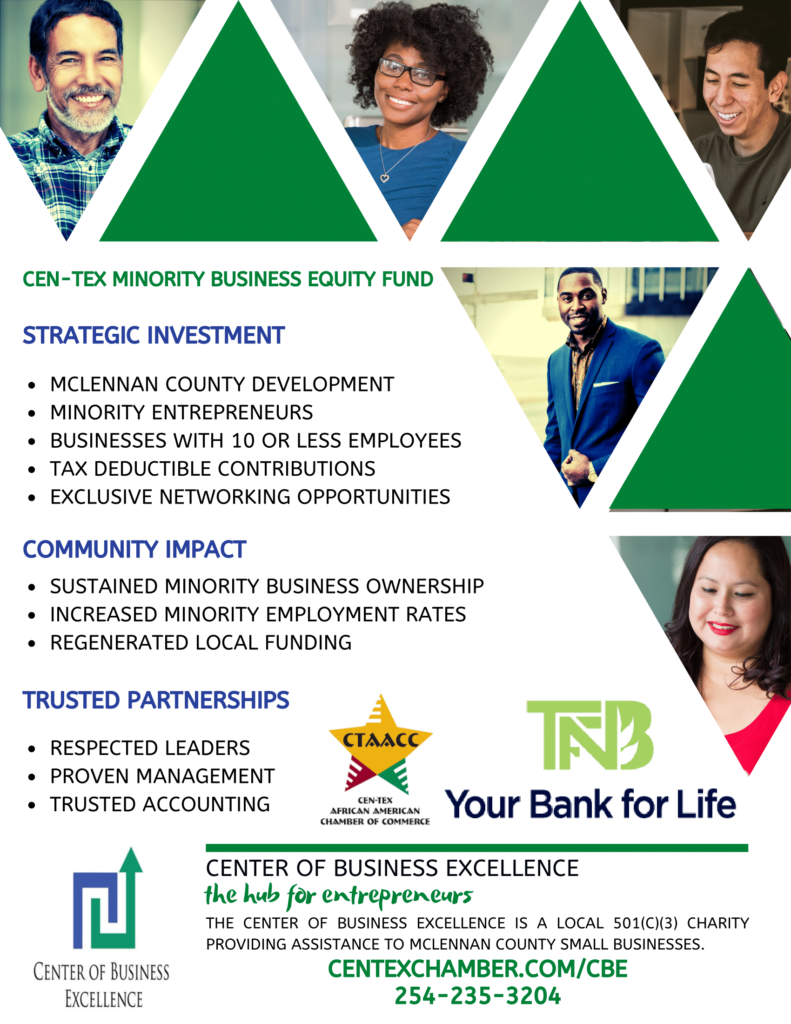
The purpose of the fund program is to provide short-term, immediate aid/relief to small, local minority-owned businesses facing income loss or rising expenses due to circumstances caused by natural disasters, illness, global pandemics, or any situation that disrupts their economic and social well-being.
Any McLennan County-based, minority-owned, small business with 10 employees or less is eligible to apply for assistance. Grants/loans may be awarded up to $2,500 dependent on resources. I could go on, but for now I guess I’ll digress and take a breather. There’s action to be done tomorrow.
Editor’s Note: Investments in the CTMB Equity Fund are currently being accepted online at www.centexchamber.com. The online application portal for business funding is expected to open later this month. CTAACC can be reached at (254) 235-3204.
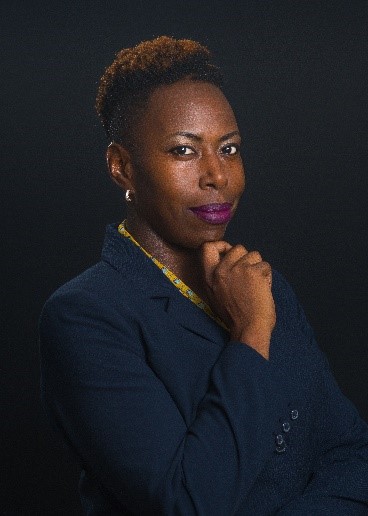
Rachel E. Pate is vice president of economic development at Cen-Tex African American Chamber of Commerce (CTAACC) in Waco. Rachel is a native Wacoan and graduate of University High School. Since 2016, Rachel has served in various roles at the chamber and championed the causes of small entrepreneurs, women, and minorities. She is also a LeadershipPlenty Institute graduate, Rapoport Academy Public School Board member and Start-Up Waco Board member.
With her mother being a Sunday School teacher and evangelist, Rachel began serving the community at a very early age. She was active on her church’s usher board and youth ministry. Some of her fondest memories of growing up in Waco are being surrounded by her large, extended family for reunions and Juneteenth gatherings; her mother is one of 11 siblings who all hail from Waco. Her father, R.E. Pate Jr. (deceased), and mother met at Paul Quinn College in the early 1970s — the same campus where CTAACC resides today.
Rachel is also a proud mom of one, a lifelong member of Toliver Chapel Church, a lover of the great outdoors, an avid basketball fan, and a dedicated wearer of Converse’s Chuck Taylor shoes. Rachel’s favorite scripture is Romans 8:31- “…If God be for us, then who can stand against us?”
By Mayor Kyle Deaver
The brutal killing of George Floyd on Memorial Day at the hands of Minneapolis police was tragic, despicable, and completely unacceptable to our society. Unfortunately, it is part of a long history of the lack of equity in our nation. Waco has its own sad history of racism, including the lynching of Jesse Washington on May 15, 1916.
We have begun to face this reality in our community, and we must continue to move toward a more racially equitable society. The peaceful protestors and demonstrators who spoke and marched together this past Saturday in Waco were right in their calls for action. We must continue to work toward this future together.
Across the country, peaceful protestors and demonstrators have voiced this same desire. Unfortunately, in many cities, protests have involved looting and vandalism. That’s a terrible situation for many reasons. It is obviously unfair to those whose businesses and property are affected. It puts fellow protesters and police in danger, and it warps the message of the need to end racism in our nation. This jeopardizes that very message that so desperately needs to be heard, and it causes many of the people who need to hear and engage on this important message to, instead, become fearful and angry.
I want to thank the organizers and all who participated in last Saturday’s protests and demonstrations for their thoughtful, genuine approach to the problem of racial inequity and violence by some police officers. It is certainly not all, but it’s also not just “a few bad apples.” I also want to thank the leaders in our communities of color for their wise approach to these difficult times. And I want to thank them for relationships they have built with our police force.
I respect and admire every member of Waco’s Police Department that I have had the opportunity to get to know. I believe that each of them are every bit as sickened by what transpired in Minneapolis as I am. Police brutality anywhere in our nation strains the relationship between our citizens and the police who are doing their important and often dangerous work as they try to protect all of us.
Let’s continue to work together toward healing and racial equity. That will require difficult conversations about next steps. Those conversations have to occur.
Kyle Deaver was elected mayor in 2016 and was unopposed in 2018. He previously served four years on the Waco City Council as the representative for District V. Kyle is an attorney and businessman who is active in the Waco community. Deaver is currently on the board of the Waco Foundation. He has served on the boards of the Cameron Park Zoological Society, Greater Waco Chamber of Commerce, Vanguard College Preparatory School, and St. Paul’s Episcopal Day School. He served six years on the Waco Plan Commission.