by Crystal Hernandez
Imagine you’re driving down the road. You see a sign that the bridge up ahead is closed. You decide moving forward along this path is not safe, so you choose a different route. What if your body is displaying signs the road ahead is not safe? Do blood tests reveal your glucose levels are above the normal range? Are you sedentary and above your healthy body weight? Are you seeing indications that you’ll develop type 2 diabetes and other health problems if you continue along this path? The YMCA can help you map out a new route toward a healthier future. The YMCA’s Diabetes Prevention Program helps those at high risk of developing type 2 diabetes adopt and maintain healthy lifestyles by eating healthier, increasing physical activity and losing a modest amount of weight in order to reduce their chances of developing the disease.
The number of Americans with diabetes is 29.1 million. That’s a big number, but even bigger is the number of Americans that have prediabetes: 86 million. But only 10% of those know of their risk status. Without weight loss and moderate physical activity, 15% to 30% of people with prediabetes will develop type 2 diabetes within 5 years.
Diabetes is the leading cause of kidney failure, nontraumatic lower limb amputations, and new cases of blindness among adults in the U.S. The risk for stroke and heart attack is 2-4 times higher in individuals with diabetes. The disease accounts for 17% of all deaths for adults older than 25. If dollar signs impact you more, let me share with you what that might look like. The average annual out-of-pocket medical cost for someone without diabetes is about $3,670. However, for the person with diabetes and its related medical conditions, that cost could be more than $17,000!
Maybe that’s the motivation you need to see where your body’s GPS is leading you. If so, schedule a visit with your doctor. Simple blood tests can tell you whether you need to turn around and take a different route by enrolling in the YMCA’s Diabetes Prevention Program. Results from blood tests that are in the prediabetes range, (tests include A1-C or fasting glucose),or a previous diagnosis of gestational diabetes will qualify you for the program. You must have a BMI of 25 or higher and be over the age of 18 to participate. If you are unable to access a blood test, take the risk quiz to find out whether you are at high risk. Individuals who score a 9 or higher on the risk quiz are also eligible for the program.
The YMCA’s Diabetes Prevention Program uses a Center for Disease Control (CDC) -approved curriculum and is part of the CDC-led National Diabetes Program. The 12-month program is facilitated by a trained lifestyle coach that helps you and other classmates begin to make the changes needed to reduce your risk of developing diabetes. The program focuses on helping participants reduce their body weight by 7% and increase their physical activity to at least 150 minutes per week. Cost for the whole 12-month program is $429. Click here for a flyer.
If you’re ready to change the direction of your health, the YMCA can help. For more information on when the next session will begin, contact Chronic Disease Prevention Specialist Crystal Hernandez at (254) 776-6612 or [email protected].
 This Act Locally Waco blog post was written by Crystal Hernandez. Crystal is the Chronic Disease Specialist for the Waco Family YMCA. She received her degree in Exercise Science and Health Promotion from the University of Memphis. She and husband Shawn are blessed to be the parents of 4 beautiful children. In her free time, she loves hitting the pavement and pounding out a good run.
The Act Locally Waco blog publishes posts with a connection to these aspirations for Waco. If you are interested in writing for the Act Locally Waco Blog, please email [email protected] for more information.
DISCLAIMER: [YMCA] and the National Council of Young Men’s Christian Association of the United States of America (“YMCA of the USA”) have made a commitment to collaborate with the nation’s YMCAs on efforts to support a national movement to increase awareness and take measures to prevent diabetes and its complications among groups at risk, and to help support treatment outcomes for individuals who have confirmed diagnoses or indications of prediabetes by promoting an effective lifestyle change. YMCA of the USA nor any YMCA offering the YMCA’s Diabetes Prevention Program warrants or guarantees any specific outcomes for program participants with respect to diabetes prevention.]
by Ashley Bean Thornton
A couple of years ago I spoke to a class at MCC about poverty in Waco. One of the students asked a question that I think just about everyone has wondered about at one time or another, “Yes, but what do you do about people who just don’t want to work?” I’ve been asked that question more than once, so I’ve had time to think about it. My answer is, “Don’t start with them.”
I don’t mean that to be a smart-alecky reply. I am not blind to the fact that there are some people in the world who seem like they don’t want to work. I’m just saying that there are people who do want to work, plenty of them. Let’s start there.
There are people in Waco who want to find and keep good paying jobs, but who face barriers that would be tough for even the most resolutely motivated among us: What if you don’t have a car, and the good paying jobs are on the other side of town? What if you have children and no one to keep them during your shift at work? What if the only jobs you are qualified to do, don’t pay enough to support your family? What if your life is chaotic because of homelessness or because you can’t afford to keep the electricity turned on? That can make it hard to be a dependable employee. What if you have been to prison, and even though you have turned your life around, no one will hire you because of your past record? What if you have no idea how to do a job search on a computer, or how to present yourself in an interview?
I serve on the “increasing income” working group of the Prosper Waco initiative. As a participant in that group I’ve had the chance to learn about some of the programs available in Waco to help people overcome the barriers mentioned above.
One such program is “Jumpstart.” Currently being administered by the Economic Opportunity Advancement Corporation (EOAC), this program is available to anyone who has a household income of less than $37,000 and who is supporting at least one child under the age of 18. Since it kicked off in March, Jumpstart has already helped over 100 people find work. Their goal is to place over 300 by the end of the year.
Funded by a grant from the Texas Workforce Commission, Jumpstart forms partnerships with local employers who agree to consider hiring program participants, and then the staff does pretty much whatever it takes to help participants get jobs with and succeed as new employees at these partner companies.
Participants in Jumpstart receive job readiness training, and training about how to budget and manage their money. Depending on the situation, participants might also get set up with child care, or work clothes or a gas card to help pay for transportation. They might get help paying for utilities while they get on their feet at a new job. The folks at Jumpstart are relentless in helping their participants. The day I visited their offices they were working with a husband and wife who had both recently gotten employment thanks to the program. Because of the new jobs, the couple and their young son were moving from the homeless shelter into an apartment, but they had no furniture. The Jumpstart caseworker was tracking down a bed so the family would have something to sleep on the first night in their new home. Do you think having a bed to sleep in might make a difference as far as an employee’s performance on the job? I do.
Once a Jumpstart participant gets a job, he or she has access to a “job coach” for 90 days. This job coach is available 24 hours a day to help solve any work related problem that might come up – whether it be a flat tire, or a difficult boss, or a blown child care plan. Do you think it is an advantage to employers to have employees who are receiving this kind of stabilizing support during their first three months on the job? I do.
Rather than fretting over people who “just don’t want to work,” we can help programs like Jumpstart make a big difference for those who do want to work. I asked Melvin Collins, the Director of Jumpstart, what they needed from us, the Waco community. He said to meet their goal of helping over 300 people find work by the end of the year, they need more participants, and they need more partner employers.
You and I can help by spreading the word. Share this information with your circle of friends, with your church, at the organizations where you volunteer…anywhere you think there might be folks who need help finding work. Interested individuals should call the Economic Opportunities Advancement Corporation (EOAC) at 254.756.0954, or go by the EOAC office at 500 Franklin Ave., and ask about Jumpstart. If you are an employer who would consider hiring participants from the Jumpstart program, you can call that same number and ask for Melvin Collins, the Jumpstart Director.
Yes, I imagine there are some people out there who “just don’t want to work,” but I don’t see the upside to letting that frustrate and distract us. There are plenty of people who do want to work, and who could use our help to overcome some significant barriers. Let’s focus our energy on supporting programs like Jumpstart that are helping those who want to work! If we finish that and still have some time, we can worry about the others. Who knows, by the time we have helped all the people who do want to work, we may find there are not as many people as we thought left in the other category.
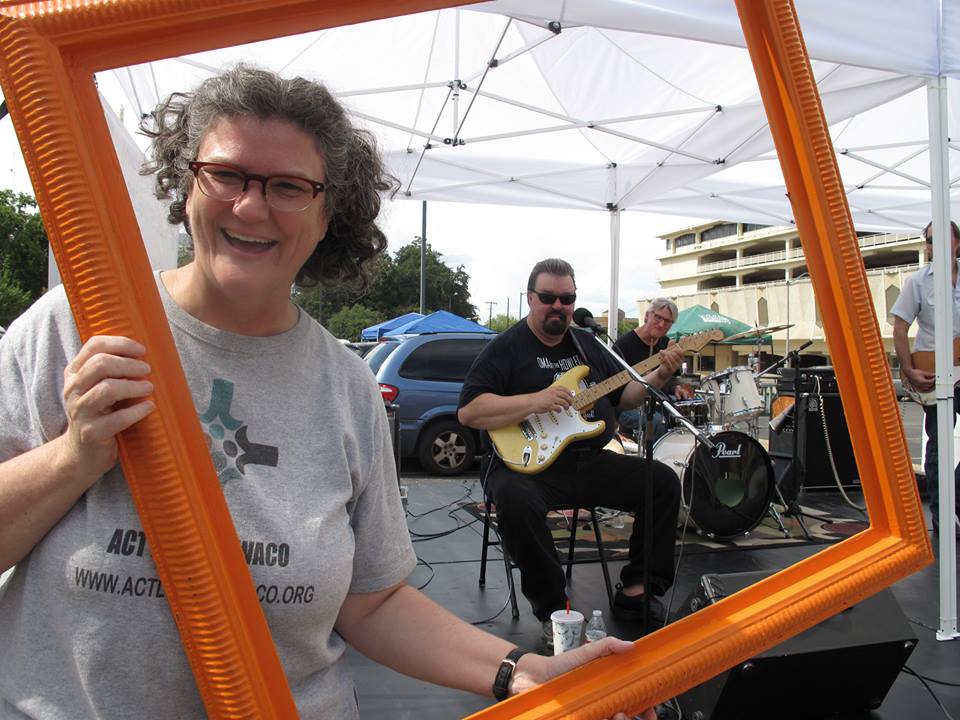 This Act Locally Waco blog post is by Ashley Bean Thornton, the Manager of the www.www.actlocallywaco.org website and the editor of the Friday Update newsletter: The WHOLE Enchilada. The Act Locally Waco blog publishes posts with a connection to these aspirations for Waco. If you are interested in writing for the Act Locally Waco Blog, please email [email protected] for more information.
By Bruce Huff
1989 – Recently diagnosed. Losing Cape Cod fish markets due to our last recession, wife wanted a divorce and I was a mess. My two kids were too young to understand.
At a crossroads…commit the ultimate…or get strong…not “strong,” but STRONG!
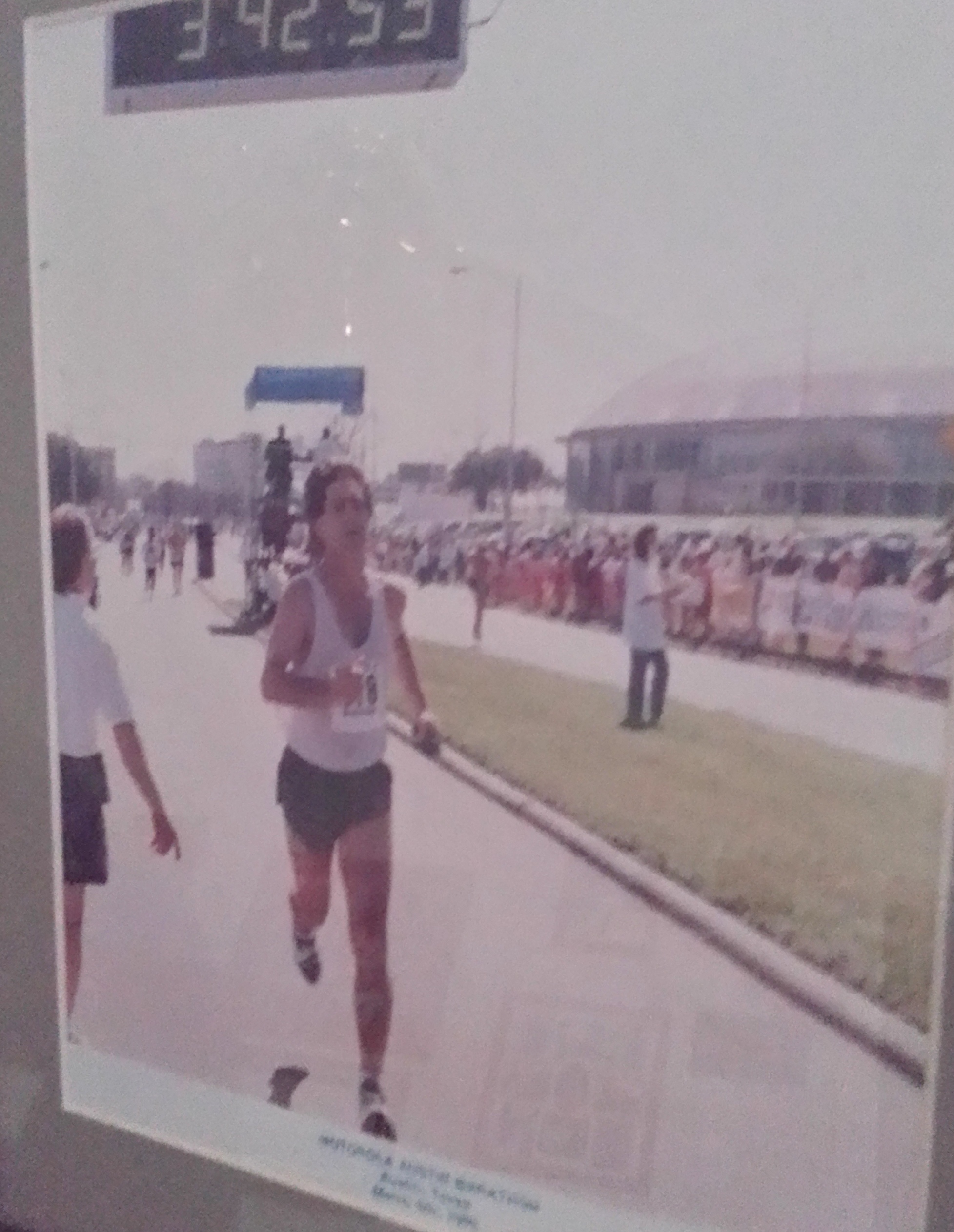
Austin Motorola Marathon, 1995
Six very short months later I trimmed 60 pounds and gained a 6-pack. My first event was the Cape Cod MS Walk of 1990. I learned early on it wasn’t about me. Every day my focus was on a person with MS who couldn’t. Soon this obsession of running became my routine. One mile became two, then three. One day I called my Mom and gleefully said I had just run five miles. Well, I can’t lie to my mother, so out I went…5…8…12. At six months, my first 26.2mile marathon.
It was time to leave New England. Charted a course to Alaska where I had gone to high school. After moving from Hyannis to Anchorage, it looked like Waco would be doable. While visiting mom here, I realized she desperately needed a man’s touch around the house. So, a three month project became a need for real employment.
1993 – Waco was changing. Really changing. I really wanted to become a part of that! Sherrell and I married in Jamaica 1995. She totally accepted my flaws, became a caregiver. Wow, that takes a special person.
2011 – Had to retire early. Balance bad, fatigue, numbness. Immediately an opportunity to volunteer at the Waco Tourism & Convention Center was advertised. Such an awesome city! My hometown! And 2012 became a springboard of volunteerism.
I still focus on others with MS. Everyday. I work part time at the Salvation Army Men’s Shelter, am very active with musical events, art openings, environmental causes. Making Waco a better place.
Sounds like I have a topped off reservoir of Energizer Bunny? Pushing to my limits is all I know. Get up early. Go hard till 2:00, take a nap, go hard again till 10:00. Failure is not an option to me. I believe others who see me, see me struggling. See me in pain. But, I go on. I believe my efforts will be contagious. I want people to believe in themselves.
Saturday, October 3, is the annual WalkMS2015. My team, “Huff’s Magic Dragons,” last year had walkers from five continents providing unbelievable support for MS research. Please come out to support me, Waco and Multiple Sclerosis!
 October 3 – Walk MS (Multiple Sclerosis): Waco – Walk MS: Waco is first and foremost a fundraising event. Money raised at this year’s event will support research progress in many areas, moving us closer to our ultimate goal of a world without MS. Walk MS connects people living with MS and those who care about them. When you participate in this community event, the funds you raise give hope to the more than 2.3 million people living with MS worldwide. We’ve been walking since 1988 and to date have raised more than $870 million to support life changing programs and cutting-edge research. Cost: See here. Time: Site opens at 8 AM. Walk begins at 9 AM. Location: Heritage Square Park, Austin Ave & N. 3rd St. Click here for a map. For more information and to register, click here. Contact Lily Goldstucker at 469.619.4707 or at [email protected] for any questions.
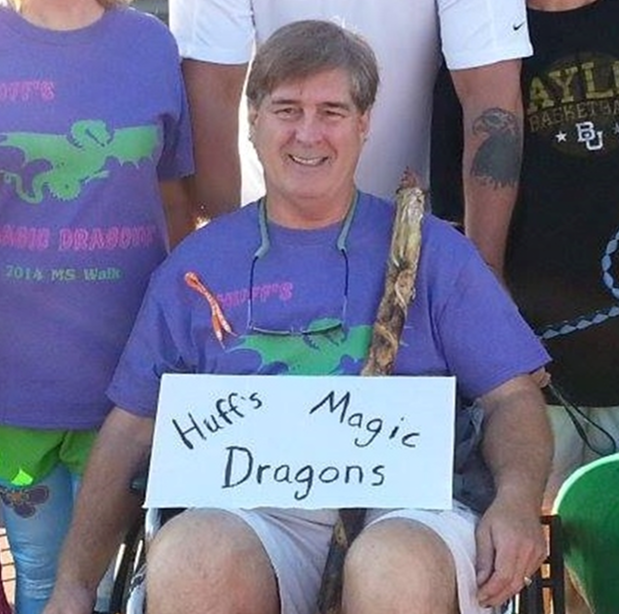 Bruce Huff was diagnosed with MS in 1989. He started running as a way of learning to live with MS and it morphed into a 100 mile per week obsession. Now in a mobility scooter when there is a need to walk for more than five minutes, he still has the drive to inspire others and to be a part of life. His message: DON’T EVER GIVE UP!
The Act Locally Waco blog publishes posts with a connection to these aspirations for Waco. If you are interested in writing for the Act Locally Waco Blog, please email [email protected] for more information.
By Matthew Polk
Over the last few weeks, Prosper Waco working groups have been brainstorming ideas of collaborative ways to reach the measurable goals established by the Prosper Waco steering committees. At the same time, the Prosper Waco Community Engagement Council has been reaching out to people throughout the community to get their input and ideas about how this community initiative should move forward.
What are the Prosper Waco goals, again? Prosper Waco is about:
- More kids being ready to learn when they start Kindergarten
- More students (and adults) finishing a college degree or certificate that will get them a good job
- More people knowing where they need to go to get the best healthcare…and being able to afford it
- More people living a healthy lifestyle and losing weight
- More women receiving the healthcare they need to make sure they and their babies are healthy
- More community members reporting good mental health
- More youth (16-24 year olds) getting a job
- More people getting the job training they need to make a better living
- More people being able to save for their future
To learn more about the specific goals associated with each of the points above and how we plan to measure them, visit our website (www.prosperwaco.org) and click on ‘The Goals.’
In the month of October, the Prosper Waco steering committees will reconvene to prioritize the ideas that our working groups have developed. There are many good ideas for things to be done in our community to help move toward our goals, and the steering committees have the job of deciding which strategies are most promising. But even then it will be hard to implement strategies to address every goal across the community at the same time.
It will be important for each part of Waco to decide which of these things is the highest priority for their community. The East Waco community may want to start working on strategies that promote healthy lifestyles and weight loss, while South Waco may want to start by addressing youth employment. North Waco may be most interested in finding ways to help more people finish college degrees and certificates. This is why we need to have an ongoing community conversation about where the Prosper Waco initiative is headed and which of the initiative’s goals are most relevant for each of Waco’s communities.
If you’re still wondering how you can be involved in the work of Prosper Waco, here are some ideas:
Give your thoughts: email our Community Engagement Coordinator, Jillian ([email protected]) and she will connect you to a member of our community engagement council who lives nearest you. Their role is to hear from community members and to make sure that ideas from the community are part of the discussion.
Join the work: if you have the time and flexibility to join the meeting of Prosper Waco partners who are committed to working together, you are invited to join us. You do not have to represent an organization or be a professional expert—any community member who is willing to help can be part of the working groups focused on education, health, and financial security issues.
Tell a friend: tell someone else about the Prosper Waco initiative and point them toward our website or Facebook page. If they are looking for opportunities to improve their education, health, or financial security, help them navigate the Get Help Locally page of our website to find what they need. If they can’t find what they need, tell them to call us and we’ll help them find the information they’re looking for.
Volunteer: by volunteering with one of the many partner organizations within the Prosper Waco initiative, you are directly contributing to the success of this community initiative. If you want to help but don’t know where to start, take a look at the Affiliates page of our website to find an organization that is committed to the Prosper Waco initiative. Or give us a call at (254) 741-0081 and we can connect you with a volunteer opportunity that will help move our community forward.
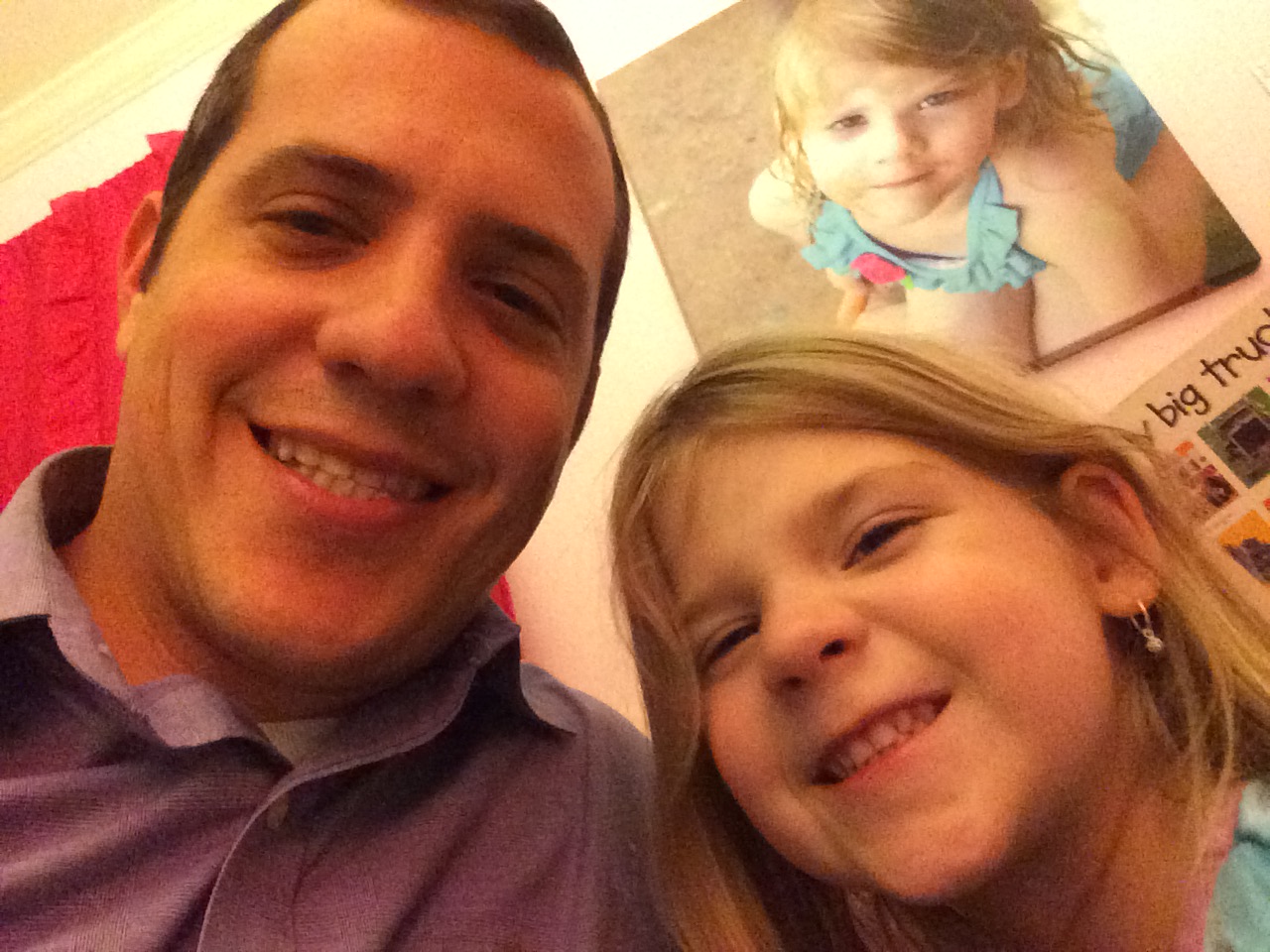 This Act Locally Waco Blog post was written by Matthew Polk. Matthew is Executive Director of Prosper Waco. Prior to that, he served as Superintendent of Rapoport Academy Public School. He and his wife attended Baylor, and after spending a few years in the northeast, they returned to Waco to raise their family. They have four children, ages 8 to 3 months. You can contact him at [email protected].
The Act Locally Waco blog publishes posts with a connection to these aspirations for Waco. If you are interested in writing for the Act Locally Waco Blog, please email [email protected] for more information.
By James Karney
“Give me the liberty to know, to utter, and to argue freely according to conscience, above all liberties.” – John Milton in Areopagitica, 1644
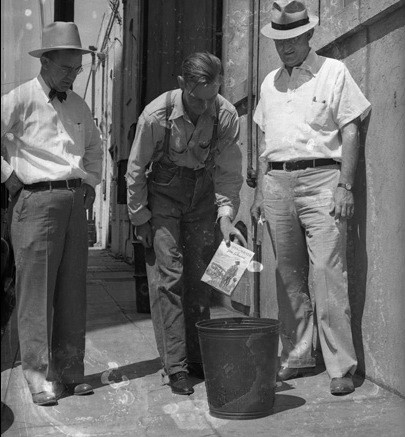
In the 1930’s farmers and businessmen in California’s San Joaquin Valley burned copies of John Steinbeck’s The Grapes of Wrath as, “obscene in the extreme”. Local officials were motivated by fears that it would insight the migrant “Okies” to unionize. The ban remained in place until 1941.
Franklin Roosevelt in his 1941 State of Union message to Congress put forth the concept of the four essential human freedoms – Freedom of Speech, Freedom of Worship, Freedom from Want and Freedom from Fear – that should be defended and protected. Roosevelt was preparing the country for the time when America and her sons would be called into the war which had been raging in Europe for the past 16 months.
Six years of world conflict and an estimated 70-85 million military and civilian deaths would free countless souls from Nazi and Japanese tyranny. But as history has shown, the four freedoms are still but a dream for many parts of the world. Roosevelt’s vision of, “a world founded upon four essential human freedoms” has yet to be achieved.
Challenges to freedom of speech still persist. The book burners of Nazi Germany are now the ISIS militants in Iraq and Syria, justifying their destruction of libraries and historical sites as cleansing the world of “inferior ideas,” just as the Nazis did. Justification for book banning, censorship or restriction of access to books is typically based upon moral, political, philosophical or religious grounds.
At its basis though, the banning of books is done out of fear:
- Fear that society will be corrupted by the words or ideas of an author,
- Fear that one’s religious beliefs are being blasphemed,
- Fear that a country’s political or economic ideology cannot hold up to differing ideas,
- Fear that ideas in a book may be inappropriate for children or teens.
It is our responsibility as citizens to uphold the values in our constitution and first among these are those freedoms found in the First Amendment – religion, speech, press, assembly and petition of grievances. The banning or censorship of books and the ideas contained therein should be an anathema to all those who believe in the principles upon which our country was founded.
 To live in a free society is to live in a society where people of differing political, religious, cultural or social backgrounds live in community. There should be open discourse and the sharing of ideas without threat of retribution or criticism. No one is asking for acceptance or approval of the ideas or beliefs with which you do not agree, just the right to freely express them.
It is the responsibility of a parent to decide when and if a book is appropriate for his or her child. Limiting access to books in curriculum or school and public libraries impacts the freedom of others to raise their children under their own value and belief system. Most school districts have policies that allow parents to have their child read a different text when they feel a book in the curriculum is not appropriate for their child. This scenario took place last year in the Highland Park school district near Dallas. A small group of parents objected to seven books included in the English curriculum at the high school. The school board initially acquiesced to the request temporarily removing the books for review. Public outcry and the results of the review led to the books being reinstated.
This week celebrate your freedom, read a book that has been banned, censored or otherwise restricted.

 * These are not all- inclusive lists of banned or challenged books, visit the website of the Office for Intellectual freedom of the American Library Association for more complete lists,www.ala.org/bbooks/frequentlychallengedbooks.
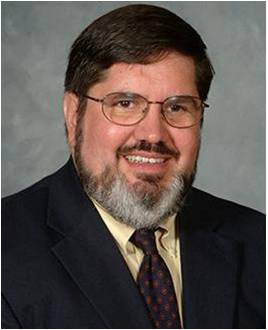 This Act Locally Waco blog post is by James Karney. James worked in a library beginning in his sophomore year of high school and after a more than thirty year library career recently retired as Director of the Waco-McLennan County Library. He’s currently taking a sabbatical working on projects around the house, catching up on reading and doing research on Texas statesman Coke Stevenson. He has been married to the super amazing and talented Anita Karney for 20 years and their son Jamie is a senior at Midway High School.
If you would like to write a post for the Act Locally Waco blog, please contact Ashley Thornton by email at [email protected] .
by Betty and Benjy Bauer & Family
Many have heard about Talitha Koum and you may have also read the blog that Susan Cowley, Executive Director, shared on Act Locally Waco in June. You hopefully know about the important work that the therapeutic nursery does to support healthy brain development during early childhood for children living in extreme poverty. What you may not be aware of is Talitha Koum’s commitment to remain involved in the lives of these children once they are in grade school. I did not know and I also could never have imagined how much my life would change once I did.
Talitha Koum has a mentoring program that strives to match mentors to children once they launch into kindergarten. The goal is for these mentors to become integrated with the child’s life as it relates to home, school, and play, while the child also partakes in your life to increase exposure to other aspects of the world they would otherwise not see.
 Six years ago life changed for my family and me. We had recently learned more about the important work that Talitha Koum does to serve children in extreme poverty and were moved to become mentors to a young boy. As my husband and children were going to support me in my role as a mentor, they were included in the match process. We decided to mentor a four year old boy and haven’t looked back since. He is 10 now and has become an integral part of our life. My life has been full of many incredible experiences and privileges, but the years I have invested into this child and he has invested into us, have truly been the most fun and most wonderful in my life. I look forward to every chance I have to be around this boy and honestly miss him when he is not around.
I tell you all of this because we have a need. We must find a mentor for his younger, 6 year old brother. His brother, let’s call him David, was at Talitha Koum from infancy until pre-K and is now in kindergarten. This sweet child is highly intelligent and despite the potential effects of extreme poverty and instability, does not have any behavioral issues. Due to the nature of Talitha Koum’s mentoring program, David needs his own, unique mentor (or mentoring couple/family) separate from us. It has been heavy on my heart to find a mentor for this child so that he may also have another adult in his corner providing proactive support, experiences, and positivity. Life is about to change for David, a baby will be arriving soon making him a big brother and changing family dynamics for everyone.
I will be honest, the commitment of becoming a mentor to David or any child from Talitha Koum is more than what most mentoring programs in our community ask. Yet I know firsthand that the change you will impact and the change a child will impact in your life, will be far greater than anything you could share through only 30 minutes a week for a school year or two. Waco needs more mentors for all of its children; David needs a mentor now. I urge you to learn more about Talitha Koum’s mentoring program at http://talithakoum.org/mentors/, and if interest is on your heart, I will be honored to tell you more about David, with the hope of exploring if you are a good mentor fit for this sweet, intelligent boy. Please feel to reach me at [email protected]. Mentoring David’s older brother has been a gift to my family and me for six years; I hope mentoring David will be a gift to someone else in Waco very soon.
 Betty Bauer serves on various non-profit boards in the Waco community including the Waco Foundation and the MCC Foundation Boards. Benjy and their son Kam own a family business, H & B Packing Company, which has been in their family for 65 years. Their daughter Kalize lives and works in Dallas making frequent trips to Waco. Kam’s wife Shauna is a Physical Therapist at Baylor Scott and White Hillcrest Medical Center.
The Act Locally Waco blog publishes posts with a connection to these aspirations for Waco. If you are interested in writing for the Act Locally Waco Blog, please email [email protected] for more information.
by Norma Gutiérrez-Torres
When it comes to parent involvement, I feel that I have been exposed to every single method and venue: from sitting in a meeting for a couple of hours, to cooking 400 meals, from chaperoning a carwash, to going out of state for a parents leadership conference. With a college graduate and a senior in High School, I have done it all.
I remember when my little girl was ready to start school, I was so eager to find the perfect place for her enrichment, within a nurturing, safe environment. Of course academics were important, but I needed for her to feel accepted and included. I remember visiting more than 10 different schools, even the ones I couldn’t afford. I just needed to see the differences between schools, and I wanted to learn how school administration and other systems worked in general too.
If you are a parent, I’m sure this has happened to you: even if you are educated, you sometimes doubt if you are being a good parent. It happened to me often. It seemed like my nursing degree just helped me when they were sick. At that time I was new in town; I didn’t know how the school system and classrooms functioned yet, and on top of that, I didn’t know the language well.
A wise friend recommended that on my school visits, I check out the bathrooms, observe how people greet each other, and how the kids treat the cafeteria attendant. I encountered all kinds of barriers. In one example, I visited a public school with my five-year old daughter. There, I was treated with welcome by the receptionist, given my visitor badge, and proceeded to tour the school. However, in the hallway, I encountered the principal’s secretary and got the feeling that I was a threat for the school. She looked me up and down, at our shoes, our outfits; I wondered if I wasn’t dressed well enough. Rather than greeting us with a “hello,” she asked what we were doing there. I was painfully aware that I was “different,” a foreigner, a stranger. Through this experience, I didn’t feel that I could fit in some places, and didn’t want my child to have that experience either.
On the other hand, in visiting another possible school, a new charter school, one of the teachers there was so kind. I told her that we spoke Spanish in the home. In learning this, she took about 20 minutes of her time to explain my options for classrooms. She suggested a special kind of language assessment class.
In the end, I did find a perfect fit for our family. I just had to apply, and wait for an opening.
Once at my child’s school, a fellow parent came and talked to me. His child was in my daughter’s class, so we visited, and he asked me if I wanted to be part of the Parent Teacher Association. I wasn’t sure what to expect, and I felt afraid and insecure. But I agreed. When I came to my first meeting, I wondered: How I am supposed to help here? It seems that they have everything under control. They even have a list of things I can do. I’ll just write my name next to one and do it. I don’t have to be present or connect with anyone. I could be anonymous. But, I came to find that in addition to my help with school parties and hospitality events, they also valued my ideas and wanted to listen to my thoughts.
After two or three years of involvement in the PTA, that same parent invited me to consider serving in our district chapter of “Parents for Public Schools.”
Serving in our local PPS board, I feel “one of them,” a valued member of the group with different experiences and background. They wanted to hear what I had to say. I came to understand that my contributions were important and necessary for the well-being of the whole community, where we all belong.
If our intention and purposes are for our children – all of them – to have “the best education possible,” not as an academic-focus only, but for them to discover their strengths and weaknesses, to cultivate and nurture their individuality, to develop their social and cultural competence and awareness, and practice their ability to be inclusive of others different from themselves…
Then, the only way to accomplish this is to be intentional about “welcoming the stranger,” creating bridges where there doesn’t seem to be a natural connection. It takes risk to include and care for each other in this way. The aim is to create and tend spaces where we are encouraged to both give and receive – even if you feel like me in the beginning, that you have nothing to contribute.
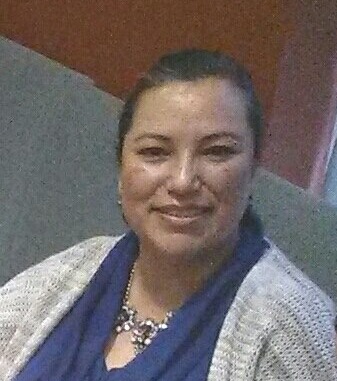 Norma Gutiérrez-Torres has lived in Waco nearly 20 years. She is an active member of the GEO (Guardians Educators Organization) at Meyer High School in Rapoport Academy, a former PPS (Parents for Public Schools) Board Member, and more than anything she enjoys dancing the night away.
The Act Locally Waco blog publishes posts with a connection to these aspirations for Waco. If you are interested in writing for the Act Locally Waco Blog, please email [email protected] for more information.
by Norma Gutiérrez-Torres
When it comes to parent involvement, I feel that I have been exposed to every single method and venue: from sitting in a meeting for a couple of hours, to cooking 400 meals, from chaperoning a carwash, to going out of state for a parents leadership conference. With a college graduate and a senior in High School, I have done it all.
I remember when my little girl was ready to start school, I was so eager to find the perfect place for her enrichment, within a nurturing, safe environment. Of course academics were important, but I needed for her to feel accepted and included. I remember visiting more than 10 different schools, even the ones I couldn’t afford. I just needed to see the differences between schools, and I wanted to learn how school administration and other systems worked in general too.
If you are a parent, I’m sure this has happened to you: even if you are educated, you sometimes doubt if you are being a good parent. It happened to me often. It seemed like my nursing degree just helped me when they were sick. At that time I was new in town; I didn’t know how the school system and classrooms functioned yet, and on top of that, I didn’t know the language well.
A wise friend recommended that on my school visits, I check out the bathrooms, observe how people greet each other, and how the kids treat the cafeteria attendant. I encountered all kinds of barriers. In one example, I visited a public school with my five-year old daughter. There, I was treated with welcome by the receptionist, given my visitor badge, and proceeded to tour the school. However, in the hallway, I encountered the principal’s secretary and got the feeling that I was a threat for the school. She looked me up and down, at our shoes, our outfits; I wondered if I wasn’t dressed well enough. Rather than greeting us with a “hello,” she asked what we were doing there. I was painfully aware that I was “different,” a foreigner, a stranger. Through this experience, I didn’t feel that I could fit in some places, and didn’t want my child to have that experience either.
On the other hand, in visiting another possible school, a new charter school, one of the teachers there was so kind. I told her that we spoke Spanish in the home. In learning this, she took about 20 minutes of her time to explain my options for classrooms. She suggested a special kind of language assessment class.
In the end, I did find a perfect fit for our family. I just had to apply, and wait for an opening.
Once at my child’s school, a fellow parent came and talked to me. His child was in my daughter’s class, so we visited, and he asked me if I wanted to be part of the Parent Teacher Association. I wasn’t sure what to expect, and I felt afraid and insecure. But I agreed. When I came to my first meeting, I wondered: How I am supposed to help here? It seems that they have everything under control. They even have a list of things I can do. I’ll just write my name next to one and do it. I don’t have to be present or connect with anyone. I could be anonymous. But, I came to find that in addition to my help with school parties and hospitality events, they also valued my ideas and wanted to listen to my thoughts.
After two or three years of involvement in the PTA, that same parent invited me to consider serving in our district chapter of “Parents for Public Schools.”
Serving in our local PPS board, I feel “one of them,” a valued member of the group with different experiences and background. They wanted to hear what I had to say. I came to understand that my contributions were important and necessary for the well-being of the whole community, where we all belong.
If our intention and purposes are for our children – all of them – to have “the best education possible,” not as an academic-focus only, but for them to discover their strengths and weaknesses, to cultivate and nurture their individuality, to develop their social and cultural competence and awareness, and practice their ability to be inclusive of others different from themselves…
Then, the only way to accomplish this is to be intentional about “welcoming the stranger,” creating bridges where there doesn’t seem to be a natural connection. It takes risk to include and care for each other in this way. The aim is to create and tend spaces where we are encouraged to both give and receive – even if you feel like me in the beginning, that you have nothing to contribute.
Norma Gutiérrez-Torres has lived in Waco nearly 20 years. She is an active member of the GEO (Guardians Educators Organization) at Meyer High School in Rapoport Academy, a former PPS (Parents for Public Schools) Board Member, and more than anything she enjoys dancing the night away.
The Act Locally Waco blog publishes posts with a connection to these aspirations for Waco. If you are interested in writing for the Act Locally Waco Blog, please email [email protected] for more information.
by Marlayna Botello
As a new young professional in the Waco community, I believe it is my responsibility to make sure that students not only receive the opportunity to achieve their dreams, but also that students know they have a mentor there to support and guide them through any adversity that they may face. My professional role as a Project Link Liaison at University high school is to guide students via one on one advising sessions that target academic success and college readiness and via group sessions. I also conduct activities specific to each student’s grade level to properly prepare them for a successful college experience and career choice.
Project Link
Every student deserves an equal chance of succeeding after high school. Project Link is a new grant-funded collaborative effort under the leadership of Tom Stanton, Executive Director of The Rapoport Foundation and Matthew Polk Executive Director of Prosper Waco. This grant is intended to increase college enrollment and success among Waco-area students. Project Link provides an opportunity for students to receive individual guidance beginning in the 9th grade and continuing to the student’s second year of college.
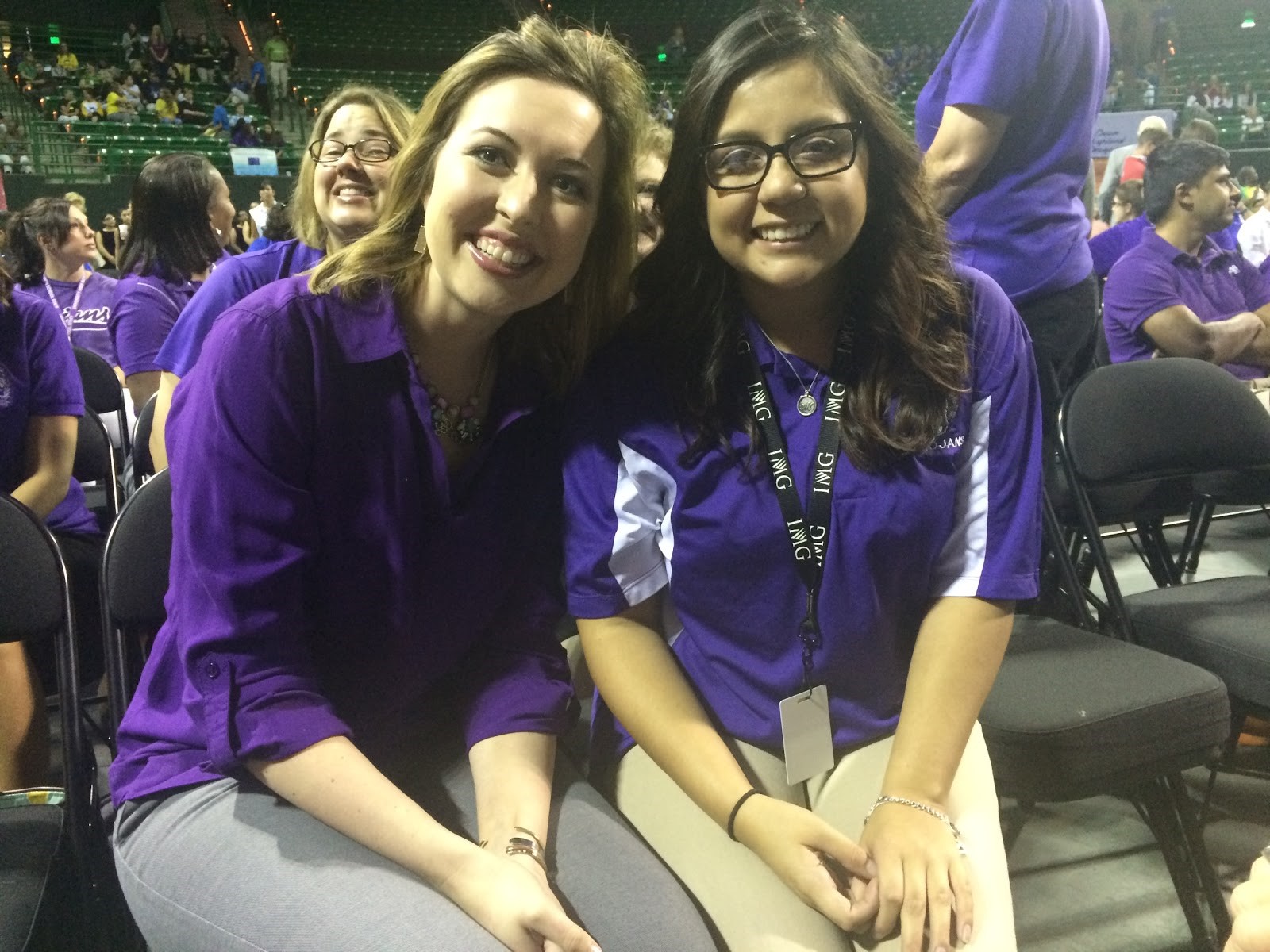 Project Link’s Mission is to create a college going culture by linking Waco-area students to postsecondary education and workforce opportunities. We are devoted to challenging and supporting students to reach their full potential by advocating success through personal discovery, academic growth, and community involvement. To achieve this, Project Link has provided staff at two local high schools, Waco ISD’s University High School (including myself) and LaVega ISD’s LaVega High School as well as staff at MCC and TSTC to ensure that students have a coach and cheerleader from ninth grade through college.
My role is to work with the students at University High school, and it has been such a blessing. These students are beyond determined to make a name for themselves after high school…we just need to give them a chance. Project Link will give our students the push and motivation to complete the college readiness process. We, as Project Link Liaisons, are excited to see where our students end up in life.
Growing Up in Waco
My passion for the Waco Community grows stronger every year that I live and serve in this city. No city will ever match the wonderful people, the unique beauty, and the family feel of Waco, Texas.
I have lived in Waco all of my life, have developed a pride for my city and want to give back in the biggest way possible. I graduated from Waco high school in 2011 and went on to get my bachelor’s from Baylor University December 2014. I am proud of growing up and continuing my journey in Waco.
Growing Up In Waco ISD
I attended all Waco ISD schools from Pre-k to my senior year of high school. I walked the beautiful halls of Dean Highland Elementary School, Lake Air Middle School, and Waco High School. While attending these schools, I discovered that my life in the Waco Independent School District allowed me to explore diverse educational, cultural, and extracurricular opportunities. My eyes were opened to a world of inspiring classmates and educators. At this time in my life I have discovered that I would have never become the individual that I am today without growing up in Waco ISD.
Waco ISD has a very special place in my heart. I believe that the time I spent in Waco ISD revealed the abundance of potential that the young people of this district possess. This experience has inspired me to help our students believe that their life goals and dreams are obtainable and can in fact become a reality.
How Can You Help? Invest In Our Youth Today
If we as a community want change our city, we need to invest our lives in inspiring change in the societal barriers that exist in our education system. I admit, like many others, that at times I find myself getting so caught up in the selfishness of my life that I don’t realize that there are thousands of students that are going to bed hungry, or are working two jobs to support their families in my own city. This is the same city that I take so much pride in. How can we say we are proud when we let things like this happen in our community everyday? Many of us need to think about how we can be a helping hand to the community today. How can we change lives for the better? It starts with our youth. It should be everyone’s priority to invest in our youth to ensure that our city continues to excel.
How can you help today? Step inside the walls of our public schools right now and volunteer. And when you volunteer, don’t only observe our students, but interact with them. Ask them how they are doing. Ask them how classes are going. Ask them about their struggles. I have learned that all our students look for in an adult is someone that cares. Caring creates trust, which will make a big impact in our student’s lives. Why? Because, they aren’t used to that kind of treatment from society. They are not used to being treated like they belong.
Finally, I would ask you consider the misrepresentation of these students, whose daily struggles surpass anything you could ever imagine a 4-18 year old would experience. There is so much work to be done in our community before we can change the world, but it will take the entire community to make these changes.
I am very thankful to be a part of the Project Link Program. The amount of support that we are receiving from other organizations and institutions is just astounding. We are ready to get our students started on the right path to success! You can help make that goal a reality!
Be proud of where you came from and strive to make your home a better place.
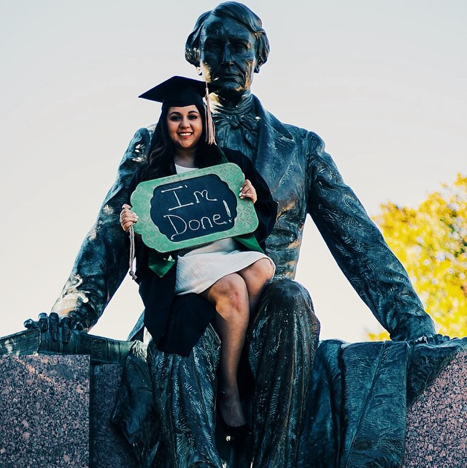 Marlayna Botello is a Project Link Liaison at University High School. Born and raised in Waco, Marlayna is a proud graduate of Waco ISD schools and Baylor University. She just purchased her first home and plans to continue to support her Baylor Bears for many years to come! Sic ’em!
The Act Locally Waco blog publishes posts with a connection to these aspirations for Waco. If you are interested in writing for the Act Locally Waco Blog, please email [email protected] for more information
by C J Wood
Often when people think of treating mental health disorders they think of medicine and therapy. These two things are only part of what is needed for someone to thrive again. Just as with any other disease, recovery includes caring for the body, mind, and spirit. This works best in the context of community.
As someone who has a mental health disorder, the first step towards instability is losing my routine. Going to bed and waking up at the same time, eating healthy meals at regularly scheduled times, and taking my medication on a regular basis all impact my ability to cope with my symptoms. Friends and family can support these habits by understanding their importance. Not giving a person a hard time when they won’t stay out late or eating healthy meals with a person helps them not feel isolated.
Being a gatekeeper is a crucial role for friends and family to play. Being a gatekeeper often looks like a bodyguard. For a spouse, it can mean allowing your partner to take a nap or excusing yourselves from a social function. Friends can also help a friend exit overwhelming situations like needing to leave in the middle of a movie or in the middle of grocery shopping. Being a gatekeeper ultimately means being present and aware. It does not mean making the person a project.
I do not know how I would have made it through a very rough patch without my friend Megan. She was a gatekeeper for me but she also allowed me to reciprocate by supporting her and being present in whatever capacity I could. Often that meant helping put her kids to bed and reading bedtime stories to them. She also knew not to ask me, “Have you been taking your medication?” She identified symptoms and asked about them. She asked open ended questions like “How are you feeling today?” Or stated an observation like “You seem a bit anxious today? What’s going on?” She knew I could have a bad day unrelated to my mental health disorder. Megan also pointed out when I was doing well. I had dinner with her family at least once a week. She offered me community and friendship.
As a person who shared my faith, Megan gave me the space and grace to not attend church. She understood how stress inducing this could be. She did cultivate and encourage opportunities that connected me to my faith community and God outside traditional rituals and expectations.
Community is essential to holistic recovery. It provides the scaffolding of grace, hope, and encouragement to support the other aspects of recovery. It celebrates what a person can do no matter how small like getting out of bed and brushing your teeth. It prevents isolation and can lessen stigma. No one can recover alone.
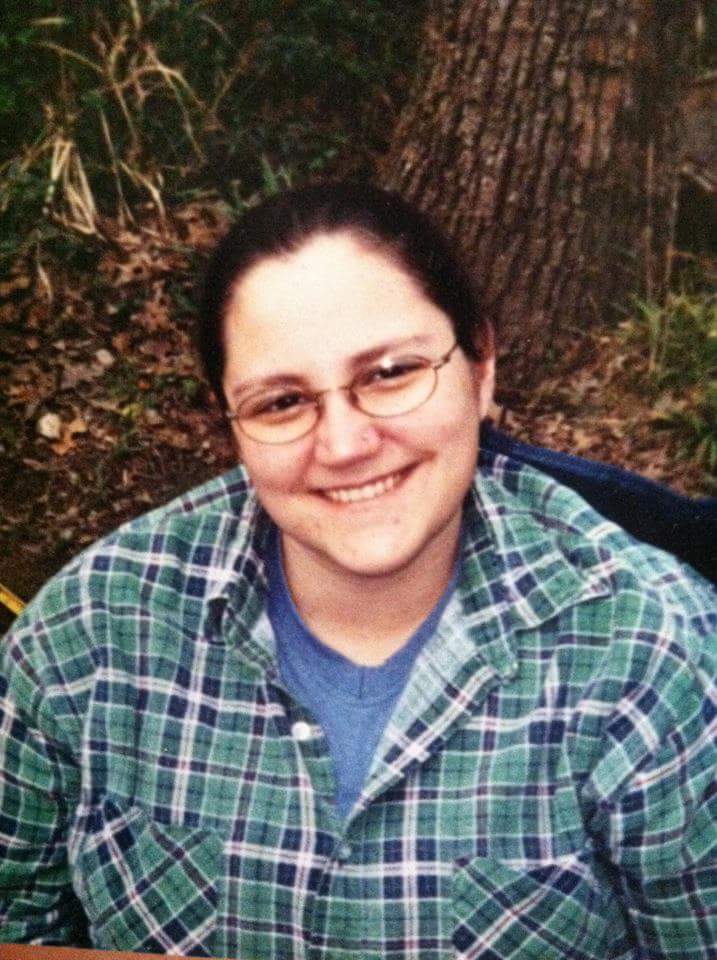 C J Wood lives in San Antonio, TX, where she works as a Resident Chaplain for the Baptist Health System. She lived in Waco while attending Truett Seminary where she earned her MDiv. CJ then went on to teach 3rd grade for Waco ISD before moving to India to work as an education consultant. Most recently CJ worked for AVANCE-Waco. She is currently working on her DMin in Formational Counseling from Ashland Theological Seminary in Ohio. She is the proud aunt of 2 nieces and 5 god children. CJ loves her Lhasa Apso Jasmine Rose who she brought back from India.
The Act Locally Waco blog publishes posts with a connection to these aspirations for Waco. If you are interested in writing for the Act Locally Waco Blog, please email [email protected] for more information