(Thanks to Beatriz S. Wharton, Senior Planner, Planning Services, City of Waco, for providing most of this information. – ABT)
By Ashley Bean Thornton
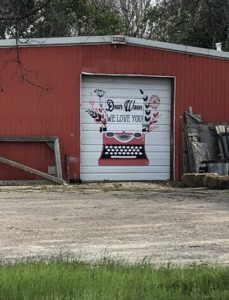
Waco Walks and the Centex Hispanic Chamber of Commerce are hosting a walk on LaSalle Avenue. We hope you will join us! We’ll meet up on Saturday, March 2, at 9:30 at the Centex Hispanic Chamber of Commerce offices at 915 LaSalle Aevenue. (Click here for the details.)
As usual, we will be sharing some history and telling some stories as we explore part of Waco on foot. As is often the case, we will also be learning a little bit about urban planning and, in particular, what “steps” (Get it?) we can take to help make Waco a more walkable community.
One of the tools a community can use to improve walkability is to create an “overlay district.” The term “overlay” or “overlay district” has been in the news quite a bit lately as the city and business owners consider the future of development on LaSalle Avenue. With that in mind, it seemed like a good time to learn a little bit more about the whole concept of overlay districts and in particular what is being proposed for LaSalle.
What is an “overlay district?”
An “overlay district” is a tool that a community can use to regulate development in a particular part of town or “zone.” Almost all land within Waco is “zoned” for a particular use. For example, some land is zoned for commercial use and some for residential use. Each zone has a particular set of rules that govern what may or may not be built in the zone as well as regulations and restrictions about design elements, for example, sidewalks, set-backs, parking, windows, landscaping, etc.
An overlay district is a set of rules that “overlays” the existing base zoning district in a particular area. It provides additional design regulations that address issues that are unique to a specific area. It can include increased regulations/ restrictions or relaxed restriction/ codes. Waco has five existing overlay districts: Brazos River Corridor District, Downtown District, West End District, Neighborhood Conservation District, and College and University Neighborhoods District.
Who can propose an overlay district?
Overlays in Waco have typically been proposed by the city, but can also be proposed by a group who is interested in implementing guidelines to protect or preserve a specific area’s characteristics and/or guide future development. The proposed LaSalle Avenue overlay, for example, has been more of a grassroots effort. A group of owners of property along La Salle Avenue organized public meetings and brought a proposal to the city.
Who makes the final decision as to whether an overlay district will be implemented?
Overlays are ordinance regulations and therefore must go through the public process. This means public hearings before Plan Commission and City Council (with two required readings). City Council makes the final decision. City Council can approve, disapprove, or approve an amended overlay. Notices are mailed to all property owners within the proposed overlay boundaries, as well as property owners within 200 feet of the proposed overlay boundaries, prior to public hearings.
What are some of the Pros and Cons of an overlay district?*
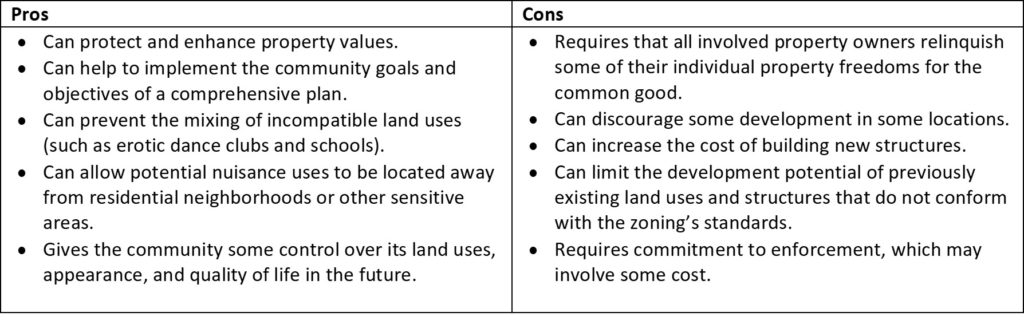
* Adapted from https://www.rcsanda.com/default.htm, downloaded 2/26/2019.
Highlights from LaSalle Avenue Proposal
(The full proposal can be found here: https://www.waco-texas.com/userfiles/cms-root/file/Planning/LaSalle%20Ave%20Overlay.pdf )
Purpose:
The purpose of the LaSalle Corridor District is to preserve and enhance a business district that is rich in heritage, historic architecture, business activity and significance as both a destination and a connector. It further aims to guide the LaSalle Corridor’s development into an area that serves: nearby neighborhoods and neighboring institutions; Waco residents and visitors; and vehicular and pedestrian travelers.
Application of Regulations:
Within the LaSalle Corridor district, the regulations of each respective base district shall continue to apply to property located in that district, except as expressly supplemented or modified herein. These regulations only apply to new development or a substantial renovation to an existing structure. Designated historical landmarks located in the LaSalle Corridor district may be exempt from section “Architectural Requirements”.
The following uses would be specifically prohibited in the LaSalle Corridor District:
- HUD-Code manufactured homes.
- Television and radio broadcasting towers.
- Automobile sale (except as incidental to primary use).
- Repair and servicing of automobiles and other passenger vehicles.
- Automobile car-washing establishments (unless screened and/or architecturally compatible with surroundings)
- Heavy machinery storage, rental, sales and repair.
- Machinery, farm sales, repairing and overhauling.
- Warehouse storage.
- Feed processing and grain elevators.
- Tire retreading, recapping or rebuilding.
- Motor freight and truck service terminals.
- Sand and gravel extraction except from the bed of the river.
- Junkyards, automobile-wrecking yards, salvage yards and scrap operations.
- Acid manufacturing.
- Cement, lime, gypsum or plaster of Paris manufacturing.
- Distillation of bones.
- Fat rendering.
- Fertilizer manufacturing.
- Gas manufacturing.
- Garbage, offal or dead animals, reduction or dumping.
- Glue manufacturing.
- Storage or refining of petroleum or its products.
- Smelting of tin, copper, zinc or iron ores.
- Stockyards or slaughter of animals.
- Agriculture feed lots.
- Asphalt batching.
- Screened or unscreened open storage.
- Sexually oriented businesses.
- Enclosed outside storage.
- Smoke shops
- Pawn Shops
- Payday Lending
- Well drilling shops.
Sidewalks
- All new developments and substantial renovations fronting on LaSalle must construct and maintain a 10-foot-wide pedestrian way along the pavement of the street.
- Fronting LaSalle, the pedestrian way must consist of a minimum 6-foot-wide sidewalk and a minimum 4-foot-planter strip between the sidewalk and street.
- Fronting other streets, the pedestrian way must consist of a minimum 5-foot-sidewalk and a minimum 4-foot-planter strip between the sidewalk and street.
- If the paved portion of the pedestrian way exceeds 8 feet in width then streetscape and landscaping must be incorporated into the design of the pedestrian way.
Want to learn more about LaSalle Avenue and how all this might look “in real life?” Join us for our walk! See you Saturday! Want to find our more about Waco Walks? Follow our Facebook page or join our email list.
This Act Locally Waco blog post is by Ashley Bean Thornton, she has lived in Waco almost 20 years now. Far longer than she ever lived anywhere else. She likes to walk. If you see her out walking, honk and wave and say, “Hi!”
The Act Locally Waco blog publishes posts with a connection to these aspirations for Waco. If you are interested in writing for the Act Locally Waco Blog, please email [email protected] for more information.
By Glenn Robinson
Cancer is now the leading cause of death in the United States and globally. Few among us have not already been touched by cancer in some way, whether it be ourselves, someone in our family or dear friends and colleagues. With that in mind, the following are a few notes on cancer care that will hopefully be helpful if cancer becomes a part of your life.
Cost
According to a study in The American Journal of Medicine, cancer forces 42 percent of patients to exhaust life savings in two years. It is expensive to treat, with patients facing potential surgeries, chemotherapy, and radiation treatments – in addition to expensive imaging tests. There are hospital stays, multiple doctor appointments each month, and many tests… not to mention the high cost of cancer-fighting medications, or income lost from missing work.
A recent study found that cancer patients, on average, are more than twice as likely to declare bankruptcy as those without cancer. Should you or a loved one face a cancer diagnosis, here are steps that may reduce some of the financial burden:
- Talk to your health insurance company and make sure you understand deductible and copay requirements.
- Take someone with you to doctors’ appointments who is not afraid to bring up the cost question on your behalf, if necessary.
- Tell care providers that cost is a potential issue.
- Discuss therapy options – and their cost – with your provider. Beyond choosing a lower cost therapy, avoiding low-value tests and procedures can save a lot of money.
- Consider hiring a financial counselor to help guide the family through this aspect of care.
Following these steps can help patients focus less on finances, and more on getting better.
Alternative Therapies
Nearly four in ten Americans believe that cancer can be cured solely through “alternative” therapies, such as oxygen therapy, diet, and herbs – according to a survey by the American Society of Clinical Oncology.
Many in the medical community were shocked by this finding and the danger it represents. A 2018 study underscores the danger, finding that patients with cancer using alternative medicine were more likely to decline potentially curative conventional cancer treatment, thereby increasing risk of death.
The National Institutes of Health has declared that no alternative health product or practice – such as acupuncture, chiropractic medicine and herbal medicine – has been proven to cure cancer. While these services may help patients manage cancer symptoms and side-effects from treatment, relieve stress, and improve quality of life, they are not a cure.
Patients facing cancer must keep in mind that delaying conventional cancer treatment can decrease the chances of remission or cure, and that using unproven products or practices to postpone or replace conventional medical treatment may be a costly mistake.
Even if they don’t delay conventional care, some alternative therapies may interfere with cancer treatments or be unsafe for cancer patients. Anyone diagnosed with cancer should consult their cancer care providers before using any alternative therapy for any purpose — regardless of whether it’s cancer-related.
Alternative therapies often do have a role in cancer care. As part of an ongoing discussion, patients and their physician can determine which therapies are safe and supported by evidence.
Advanced Treatment Options
For decades, when it comes to treating cancer, there have been three main options: surgery, radiation, or chemotherapy. Often these treatments are used in concert with one another to rid patients of tumors and eradicate any traces of the disease.
While these will likely remain staples of cancer care for the foreseeable future, a host of new advanced treatment modalities are coming online and are expected to expand the cancer care toolbox.
One is immunotherapy, which looks for ways to bolster the body’s immune system to prevent the spread of cancer. Some cancers take hold and spread throughout the body because they aren’t susceptible to the body’s immune response and even develop immunity to chemotherapy drugs and radiation. Immunotherapy attacks the cancer’s defenses, potentially allowing for effective treatment.
A related field of cancer study is therapeutic viruses and dendritic cell vaccines. These are biological agents, engineered in a lab, capable of seeking out and destroying cancer cells while leaving healthy tissue alone.
Another exciting development in cancer research involves nanoparticles. This advanced, microscopic technology can be used to more precisely target cancer cells in multiple ways without harming normal cells. For instance, nanoparticles can deliver heat to tumors to shrink them, or be loaded with medication and sent to hunt down cancer cells.
There may never be one silver bullet to cure cancer, but rapid progress on many fronts hopefully will someday lead to its demise.
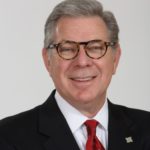
Glenn Robinson is the President of Baylor Scott & White Medical Center – Hillcrest. He has over 30 years experience in hospital and health care management, and currently serves on several Boards associated with the Texas Hospital Association and the American Hospital Association. In addition, Glenn is Past-Chair and an active member of the Greater Waco Chamber of Commerce, and serves on the Prosper Waco Board.
The Act Locally Waco blog publishes posts with a connection to these aspirations for Waco. If you are interested in writing for the Act Locally Waco Blog, please email [email protected] for more information.
League of Women Voters: Spread the word! Don’t let “Proof of Citizenship” letters discourage voting!
By Meg Wallace
The League of Women Voters of Texas (LWVTX) is spreading the word that naturalized citizens who properly registered to vote are indeed eligible to vote, in spite of what they may have heard in the news or received in their mailbox.
If you are a naturalized citizen who is registered to vote in Texas, you may have received a letter indicating that you must prove your citizenship in order to vote. Please do not let this letter discourage you from voting.
How did the letter come about?
In late January, Texas Secretary of State David Whitley created a list of names of people on the Texas voting rolls who may be noncitizens. Across the state, 95,000 people were on Whitley’s list. Of those, about 58,000 where shown to have voted at some point during the past 22 years.
Whitley sent this list to county elections officials and indicated they should send these registrants a “Proof of Citizenship” letter. The letter instructed the registrants that they have 30 days to prove their eligibility to vote, and that if they don’t prove their eligibility the county registrar will cancel their voter registration. Whitley circulated a media release about his actions late on a Friday afternoon.
This list received quite a bit of attention on social media and mainstream media. On the same Friday afternoon Secretary of State Whitley circulated his media release, Governor Greg Abbott and Lt. Governor Dan Patrick tweeted about “illegal voter registration,” and Attorney General Ken Paxton tweeted a warning of “VOTER FRAUD” in all caps. Soon after, President Donald Trump also tweeted about the assumed fraud.
Problems with the list
As it turns out, however, there are serious problems with the list. First of all, according to Cinde Weatherby, LWVTX Voting Rights/Election Law Issue Chair, “Many of the names represent noncitizens who applied for a driver license or State ID at the Texas Department of Public Safety during the past 22 years.” In the meantime, many of those individuals have become citizens. Each year from 52,000 to 63,000 Texans are naturalized in Texas. There are no requirements for them to notify the Department of Public Safety of that action.
“Proof of Citizenship” letters known to discourage voting
Challenge letters like the “Proof of Citizenship” letter described here have been shown to suppress voter participation. If someone is sent a letter and does not respond as instructed within the 30-day period provided, their registration can be canceled. This produces an additional burden on the voting rights of a specific group of registered voters: recently naturalized citizens. As a federal judge wroteregarding a similar recent attempted voter purge in Florida, “A state cannot properly impose burdensome demands in a discriminatory manner.” Furthermore, the text of the Proof of Citizenship letter suggested by the Texas Secretary of State does not indicate how registrants should supply their proof of citizenship to elections officials. This creates confusion, making it difficult for registrants who receive the letter to comply.
Upon hearing of the Secretary of State Whitley’s actions, Julieta Garibay, co-founder of United We Dream, contacted her county’s voter registrar office and received confirmation that she was on Whitley’s list. Originally from Mexico, Garibay moved to Austin in the 1990s and received a green card as a domestic violence survivor. She became a citizen in 2018 and voted for the first time in November. In her testimony at Whitley’s confirmation hearing before the Texas Senate Nominations Committee this month, she said, “As a Latina, as a woman, as a proud immigrant with an accent, I know my right, duty, and responsibility as a U.S. citizen, and I do not take it lightly. Winning my right to vote was not a victory just for me or my family. Rather, it was a victory for my community… I will not let these bullies intimidate me or prevent me from voting.”
How does this affect us in Waco?
Kathy Van Wolfe, McLennan County Elections Administrator, reports that her office did not send any Proof of Citizenship letters in response to Whitley’s instructions. Soon after she received the list, the Secretary of State’s office contacted her office to confirm all 388 people on the list sent to her had already been confirmed as citizens. At least five counties are known to have sent the letters. It is possible McLennan County voters may have family and friends who received them.
What should people do if they receive the letter?
LWVTX advises naturalized citizens who may receive the letter to “contact your county voter registrar to find out how to provide a copy of your naturalization certificate or U.S. Passport.” County voter registrar contact information is available on the LWVTX website’s naturalized citizen page.
“The League congratulates naturalized citizens participating as voters,” says LWVTX President Grace Chimene. “Every naturalized citizen, you have a right to vote and participate fully in our democracy.”
For more information about The League of Women Voters in Waco, please visit the Facebook page: League of Women Voters of Waco.

Meg Wallace is the organizer of the Amberley Collaborative a new nonprofit that is increasing the caring capacity of Waco and McLennan County by strengthening residents’ natural support systems.
The Act Locally Waco blog publishes posts with a connection to these aspirations for Waco. If you are interested in writing for the Act Locally Waco Blog, please email [email protected] for more information.
by Jaja Chen
On January 17, 2019 at Baylor University, we had the opportunity to hear Jemar Tisby (see news report) speak on fighting racism in our communities, cities, and congregations.
We can see through Waco history the impacts racism had on our city through the lynching of Jesse Washington in May 1916. Regardless of what one may think regarding Washington’s case, the fact that there was a lynching in downtown Waco with thousands of spectators should be enough to reveal the deep, pervasive, and horrific impacts that racism can have on people and our town.
While this blogpost is too limited of a space to expand on what Tisby shared regarding the history of racism and present realities of racism in the United States, I encourage you to follow-up with his newly released book The Color of Compromise and/or podcast series Pass the Mic to learn more.
Some practical application points that Tisby challenged us with include the A.R.C. response in the fight against racism. Awareness, Relationships, and Commitment (A.R.C) framed the latter part of his lecture and is a response to racism in our nation. Tisby defined racism as a “narrative of racial difference” – meaning the ongoing story and narrative in our culture and communities in which people are seen or treated differently as a result of the color of their skin. And in order to be anti-racist, Tisby called for intentionality amongst peoples to go against racist thought, responses, behaviors, and/or complacency.
Seeking to be anti-racist means having Awareness of the issues – learning about what racism is, how it impacts individuals and systems around us, and the impacts racial trauma has on people. Reading books can help you to learn more about racism and increase your perspective on the history of racial issues in America. Some books I often recommend include: The New Jim Crow by Michelle Alexander, Between the World and Me by Ta-Nehisi Coates, I’m Still Here by Austin Channing Brown, Prophetic Lament by Soong-Chan Rah, and Just Mercy by Bryan Stevenson. Documentaries like 13th on Netflix can also be informative.
Building Relationships with people requires us to step outside of our own spheres and to get to know people from backgrounds different than our own.
As you think of the friendships and relationships in your life, how diverse are they? Do you know and spend time with people from different racial/ethnic and/or cultural backgrounds?
Seeking to build bridges takes time and requires us to get out of our comfort zones. This can be a challenge for us as individuals and for organizations and businesses. At Waco Cha, we have strived to intentionally network and build relationships amongst individuals, businesses, and organizations with cultural backgrounds different than our own. Our lives are enriched when we have friends and community that value each other for who we are, the culture we are a part of, and the gifts and talents that we each bring to our Wacotown.
When it comes to engagement with people different from your culture, our local Community Race Relations Coalition hosts events and community gatherings throughout the year for members of the Greater Waco community. Visiting restaurants, stores, or churches different from your own racial or ethnic background can also help introduce you to new cultures. For business owners – consider joining the Cen-Tex African American Chamber of Commerce and Cen-Tex Hispanic Chamber of Commerce to build bridges and community amongst people of color whom you may not otherwise have connected with.
And lastly C for Commitment. This is often where we get stuck. We may be informed about racism and have friends of different cultures; however, in the end, if we do not seek to fight again social injustice in our own midst, the effects go only so far.
We need to have a commitment to fighting against injustices in our community. Engagement can include giving of our time or resources to supporting local non-profit and advocacy organizations. Advocacy organizations such as Waco Immigrants Alliance strive to advocate on behalf of immigrants, families, and those impacted by detention and mass incarceration in our community. Non-profits such as Greater Waco Legal Services and American Gateways strive to provide affordable legal services for individuals and families in our midst. And organizations such as Grassroots Community Development, formerly Waco Community Development, strive to cultivate healthy and diverse neighborhoods in Waco.
These are just a few of the many non-profit and advocacy organizations doing the work of justice daily in our town.
As I have challenged you all before – what is your response in being part of the change in our city? Is it to increase your awareness of racial issues? To begin or continue to build relationships with those whom are different from yourself? Or to commit to further or increased engagement against social injustices in our town?
May we each strive to be anti-racist Wacoans and to recognize that the fight against racism did not just begin or end with Martin Luther King, Jr. and the many courageous civil rights advocates that came before us. We each have a responsibility in building a better Waco.
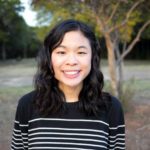
Jaja Chen, LCSW, CDWF is a private practice therapist through Enrichment Training & Counseling Solutions specializing in PTSD, trauma, maternal mental health, and compassion fatigue. As an EMDR Trained Therapist, Jaja loves providing holistic trauma recovery to the Greater Waco community. Alongside her trauma therapy work, Jaja and her husband also run Waco Cha, an organic bubble milk tea stand, at the Waco Downtown Farmer’s Market. Jaja can be contacted via email at [email protected] or via webpage at http://enrichmenttcs.com/meet-jaja-chen/.
The Act Locally Waco blog publishes posts with a connection to these aspirations for Waco. If you are interested in writing for the Act Locally Waco Blog, please email [email protected]for more information.
By Jeremiah Banks
Matt, Marci, Trista, Donna, Kevin, Kayla – these are the names of people who came into my life and helped me learn about work. They pushed me to grow when I least expected it and needed it the most. As I stumbled (or more personally for me – overthought) my way through each job I’ve had, from bagging groceries at Albertson’s, to interning with my Youth Pastor, to working with neighborhood youth, and now as a school social worker here in Waco at Communities in Schools (CIS) of the Heart of Texas, these people walked alongside me and helped me in my journey into the sometimes weird and confusing world of work.
Here at the Workforce Development Program at CIS of the Heart of Texas, we talk a lot about the world of work. We serve young people from 16-24 years old. We meet them in school and out in the community looking for jobs, trying to get into college, going back to get a GED, and exploring careers. Our job through the Temporary Work Experience Program is to walk alongside them in their journey into the world of work.
Work plays a central role in each and every one of our lives. You can’t escape it. Think about it. What’s one of the first questions you ask someone new when you meet them? If you’re like most, “What do you do?” is one of the first questions off of your lips.
Yet, if I can be honest for a second, who hasn’t had a moment in life when that question caused anxiety – a point of transition in your life, a switch to a new job, or a time when you didn’t know what you were “doing?” It can make you feel a bit lost.
This is where we meet nearly every one of the young people in our Workforce Development Program — in transition. Imagine a young mother, balancing GED classes and a part-time job that is just enough to pay the bills, or a young man looking for a job while living with family after graduating high school. Each young person we meet is in transition, trying to “take that next step” or “get back on their feet.” They are not quite sure which way to turn, meanwhile the world continues to spin around them. In the midst of the uncertainty and the spinning, the one thing each and every one of them unflinchingly knows is that they need to find work. But there a plenty of things they don’t know: What do I want to do? What CAN I do? How do I find work? How do I keep at it even when I run into roadblocks? How do I succeed and move up and build a career? How do I even get started?
Relationships
I have found that in times of transition — where these young people find themselves — relationships make all the difference.
At CIS, we believe in the power of relationships. Through our Temporary Work Experience Program, CIS partners with local businesses/organizations to provide internships for young people. The interns work for up to 20 hours per week for 6-8 weeks. I am convinced that the internships that make the biggest difference are the ones where the young interns make a key relationship. They find their own “Matt” or “Donna,” a person who helps them develop good work habits and basic work skills, and beyond that, invests in them personally. In my own personal experiences and in my work with the Temporary Work Experience Program, I have learned that relationships help us grow in ways we never expected. They can help us understand ourselves. They can help us gain crucial insights into our skills, character, and interests. We gain opportunities to grow through the relationships we build. Relationships help us grow personally, help us overcome barriers, and help us enjoy our place in life while moving toward whatever is next.
The Temporary Work Experience program at Communities In Schools of the Heart of Texas is an opportunity for young adults ages 16-24 who are interested in increasing their job readiness skills. Participants work at a part-time internship with a local business or organization for up to 20 hours per week for 6-8 weeks. Participants are also matched with a Career Coach at Communities In Schools who will support them with through counseling about financial literacy, resume development, job search assistance, and more.
Are you interested in hosting an intern at your business or organization? The interns are paid through the work experience program, so the only cost to you is your investment of time and interest in the young participant. Who are the Matt’s and Marci’s in your life? Would you be willing to be a Trista or Kayla for a young person in transition?
Potential candidates for the internship program or local businesses/organizations who are interested in hosting an intern (for free!) are encouraged to contact Jeremiah Banks at [email protected] or by phone at 254-753-2006, ext. 2024 for more information on eligibility. The Workforce Development program at CIS is made possible through a partnership with the Heart of Texas Workforce Development Board.
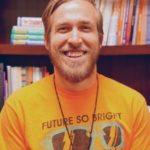
Jeremiah Banks is a Workforce Coordinator at Communities in Schools of the Heart of Texas where he works alongside local business/organizations to build internships for In-School & Out-of-School Youth to help students explore careers, build job skills, and foster key relationships that will help them succeed in work and achieve in life. If you are interested in learning more about how to host an intern through the CIS Temporary Work Experience Program, you can contact Jeremiah at j[email protected] or 254-753-6002 ext. 2024.
The Act Locally Waco blog publishes posts with a connection to these aspirations for Waco. If you are interested in writing for the Act Locally Waco Blog, please email [email protected] for more information.
(Welcome to the Act Locally Waco/Towny blog series. Towny is an app that connects consumers with local businesses. Through this blog series, the folks at Towny will be sharing the stories behind some of our high-quality, local products and helping you get to know some of our energetic local entrepreneurs. For more posts in this blog series, click here: Towny Waco.– ALW)
By Tori Freeman
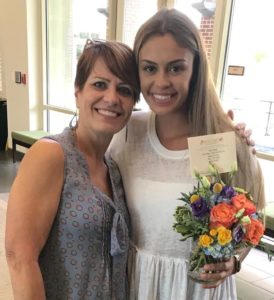
When I walked into Baylor Flowers to meet with Owner Kim Anderson and Shop Manager Lauren, the last thing I expected to hear was a science lesson and an art lesson, but that’s exactly what I got. That, and a behind-the-scenes peek into the colorful history of this flower shop.
Can you tell me a little about the history of the shop?
Kim: “It started in the ‘70s, but I haven’t pinpointed the exact date from the original owners. Anyway, it started as John’s Craft Gallery – I don’t actually know what they sold there.
It eventually turned into Baylor Balloons. In the ‘80s there was a big balloon craze, and I believe they even dressed up in costumes and delivered balloons sometimes. Now, I don’t know that for a fact, it’s just something that’s been passed down as “store legend.”
When the balloon craze started dying out, they incorporated flowers and we became Baylor Balloons & Flowers. And then there was a helium shortage, maybe 5 or 6 years ago. So we decided that was a good time to drop “Balloons.” We had been wanting to shorten it to Baylor Flowers for a little while anyway, because that’s the majority of what we do.”
I never knew that there was a helium shortage!
Lauren: “There’s actually one again now!”

Kim: “Yes, there are only two sources of helium in the whole world. One is in Amarillo, Texas, and one is across the ocean somewhere. At the last helium shortage, it got so bad that the helium was only being provided to hospitals, because some of their equipment runs off helium.
Of course, we learned all this at the time. We had never thought about where helium comes from before, it just comes in tanks! So, we did a lot of research during the last shortage.”
Lauren: “Because it’s a natural occurring resource, it’s not made in a lab. So, you have to capture it from the ground basically.”
Kim: “Kind of like natural gas, you have to mine it and make it usable. Sometimes the demand is more than the supply.
So, there’s a shortage going on right now, we just got two tanks of helium. The price doubled, and we don’t know when this one runs out if we’ll be able to get more or is it eventually going to get to where it’s hospitals only again.

So that’s just a little trivia! But back to the history…I started working for Baylor Flowers in 2004 under a different owner. And then in 2017 she decided to retire, and I bought the shop. So, I’ve basically had it for a year and a half.”
You started out as a delivery driver, right? Did you know much about flowers?
Kim: “Basically, delivery driver, answer phones and sweep.
I had taken some adult education classes just for fun, they used to be offered at TSTC. So that’s the only experience that I had.
Whenever we get new girls, we try to see if they’ve got a natural talent for arranging. So, I don’t know if that’s what happened to me. I don’t even remember how I started designing, but I did, and I had a knack for it. So, I ended up being the lead designer.”
Obviously you liked it enough to take over as owner.
Kim: “Yeah,” (she smiles). “It’s a lot of work, I don’t get to design as much now that I own it because there’s so much other stuff that I have to take care of, so I kinda miss that aspect, but when we’re busy I do get in there and get busy making floral arrangements. And I enjoy it. I think I enjoy it more now, because I miss it.”
What goes into designing a bouquet? Do you look for certain elements?
Lauren: “Mhmm. There’s the elements of design, so you have to look at your line, color, texture, shape…there’s like seven of them. And also you get to add in that element of fragrance as well, so that’s nice. You always want to make it pleasing to the eye, so there’s certain things you look for and there’s definitely things that do not go together.”
Kim: “Yeah, I’d say balance is a big element. Because if you’re out of balance, your whole arrangement doesn’t work…and that could be balance of color, balance of design, balance of textures.”
So it really is an ART FORM.
Kim: “Definitely. And we are all creative in other forms of art, whether with handwriting or drawing or something else, so it seems like
is kind of part of that artistic sphere.”
Lauren: “It’s definitely a way to create art every day in your job. Not necessarily something you get to keep or hang in a museum, but it does bring joy to other people so that’s really nice.”
What’s something about Baylor Flowers that would surprise people?
Kim: “Well, some people put things on their card messages that could be very…sometimes maybe racey? Or maybe should be something private.
Because they’re doing everything on the website, I guess they think that they’re very anonymous and they don’t realize that hey, that prints out on a piece of paper! And we see it.”
Lauren: “And it’s not very often. Most messages are usually pretty innocuous.”
Kim: “Yeah it’s rare, like maybe once a year. But it’s like…do they not realize that real people see this and it’s not just some robot that’s attaching your message? So, I think that’s kind of surprising sometimes.”
Lauren: “And I think another thing is, almost on a daily basis we get people who come in and say, “Oh my gosh I didn’t realize you had so much different stuff in here!” They don’t realize that we have all these gift choices, candles, jewelry, little home decor items.”
I had no idea either to be honest. It seems like a lot of the stuff you’re selling is locally made?
Lauren: “We try really hard to keep it local if possible and different and unique. There are soo many shops in Waco that sell a lot of the same type of stuff. So, it’s nice to try to have stuff that’s different.”
Kim: “And that’s very hard to do. Sometimes we get things because we like the philanthropy behind them. I wouldn’t say that’s the only reason, but it helps us.

Like our Pinch Me therapy dough – it’s like a play dough for adults, I mean kids can use it too, but it’s infused with essential oils. So when you play with it, it kind of has a calming effect. A lot of our student workers get it and roll it around while they’re studying for a test or something.”
Lauren: “We’ve had several teachers, counselors and therapists that come in here and get it and have it in their office where they meet with clients. And part of the proceeds from that go to help veterans with PTSD.
And then our neighborhood candles, they’re actually made in South Carolina or North Carolina—I can’t remember which one—but the lady who owns the company is actually from Waco.
They have different scents in their catalog and then you pick a certain scent and you say, I want to call that “Wacotown” or “Austin Ave.” As far as I know, nobody else in Waco carries those candles, at least under those names. And they’re soy so they burn clean.
Those are just a couple of our items with stories behind them, but we try to have a good mixture of gifts in here!”
Whether you’re looking for a pick-me-up bouquet for you or yours, a gorgeous arrangement for your wedding, or the perfect gift for your new little, Baylor Flowers is worth a trip. To explore more local Waco businesses (and get rewarded for it!) be sure to take a peek at our online guide to locally-owned business in your community! Or download the Towny app to your phone for a free on-the-go guide!
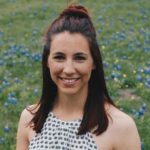
Tori Freeman is a Colorado native turned Texan and a graduate of Baylor University. She works as a part-time paralegal and creative freelancer with expertise spanning writing, editing, and photography. Tori knows firsthand how local businesses can change lives—she met her husband, Braden, while working at the Hippodrome! They now happily live in Waco with their spoiled golden-doodle and their even more spoiled baby boy.
The Act Locally Waco blog publishes posts with a connection to these aspirations for Waco. If you are interested in writing for the Act Locally Waco Blog, please email [email protected] for more information.
By Jeremy Davis
Mentor Waco is a collaboration of like-minded individuals coming together to guide and further enhance the young minds of Waco, Texas, and the surrounding areas. I founded Mentor Waco with the vision of providing guidance, motivation, support and a role model for students while also assisting with academic achievement.
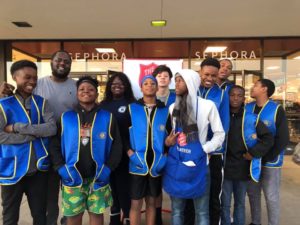
I was inspired to start Mentor Waco after reviewing the academic reports for the Waco area and seeing how poorly young boys were performing compared to their peers. After continued research I felt compelled to help bring about a positive change.
Mentor Waco is geared toward building each individual boy’s character whether it’s academically through tutoring or book club; professionally, through “We can do both” public speaking/research assignments; socially by creating a brotherhood within Mentor Waco, or a combination of all three.
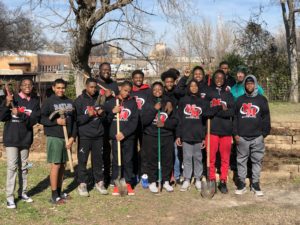
In February of 2018, I started out with seven young men. After working with them academically and socially, they began to show growth very quickly. After experiencing this success, I decided to fully launch Mentor Waco. It is open to 6th through 12th grade students who attend school in or around Waco. Despite being a fairly new organization, Mentor Waco has already made an impact within the area by volunteering for numerous events. We partnered with Mission Waco and “The Hanger” to assist with constructing a garden for the local homeless community. We donated and gathered goods, and then sorted donations at the drop off location for Food for Families. Last year at Christmas we volunteered at Brookdale Lakeshore Senior Living Community. The boys helped set up a Christmas party for the residents and their families. They assisted residents to their seats and served dinner.
Students participating in Mentor Waco have already shown an increase in academic achievement and improved behavior at school. As the program continues to grow, the foundation and core principles will remain the same — to have a positive impact on the students as they prepare for a successful future.
This year Mentor Waco will participate in a new program which we hope will quickly become a tradition. It’s called “We can do both.” The idea for “We can do both” came about because of a lesson with the students on how they should conduct themselves appropriately in different situations. The title “We can do both” is meant to get across the idea that Mentor Waco students should always look their best whether they’re in casual settings or professional settings. I wanted to teach them how to dress and act appropriately in professional settings. I wanted them to be equipped with the knowledge and tools needed to be versatile and to conduct themselves well in any situation. That idea grew into an event and “We can do both” day was born. The primary purpose of this event is to build confidence, expose the students to the world of professional development and dress, and to introduce the critical skills needed for speaking in a professional setting.
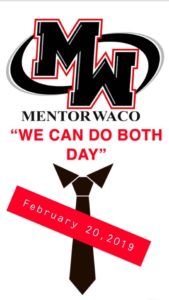
During the whole school day, on February 20, 2019, the students of Mentor Waco will dress in business professional attire. Throughout the day, students will be asked preselected questions by Tennyson Middle School faculty and staff. This will give the students a chance to practice appropriately introducing themselves in a mock professional setting.
After the school day is completed, the professional etiquette portion of the event will begin. The students will share a meal during which they will receive training on proper etiquette such as setting the table, selecting the appropriate silverware for the various dishes, and acceptable table manners. The speaker for the event will be Waco police Officer Stan Mason.
We invite you to learn more about Mentor Waco. If you are interested in becoming a mentor, donating professional attire or making a donation please send us an email or click the donation box on our website and on our social media sites:
- Website: https://mentorwaco.weebly.com.
- Facebook: https://www.facebook.com/mentorwaco/
- Instagram: @mentorwaco

Jeremy Davis is the founder of Mentor Waco. He is the son of a preacher which is where he learned how to serve and make a difference in people’s lives through actions. He has been a mentee in various programs that taught servanthood, etiquette and the importance of character and integrity for young men. He is a 2013 graduate of Midway High School, attended Stephen F. Austin, and pledged to be a member of Alpha Phi Omega National Service Fraternity. He was awarded The Presidential Volunteer Service Award in 2018. He was a part of Black Men For Bernie, one of the largest grassroots organizations during the 2016 presidential election. He taught at Standing Rock Indian Reservation School during the pipeline standoff, and he is currently a Behavioral Specialist Aide at Tennyson Middle School. The word he hopes people would use to describe him is “servant.”
The Act Locally Waco blog publishes posts with a connection to these aspirations for Waco. If you are interested in writing for the Act Locally Waco Blog, please email [email protected] for more information.
By Khristian Howard
What sense of mission drives you? Where does it lead you? Away from home? To a zip code or group of people that are unknown to you? This is a common tendency when it comes to service. We sense a connection to an issue even though we’ve never been directly affected by it. We look at communities that face challenges, like poverty and a lack of resources, and we intervene from the outside.
But what happens when your sense of mission leads you to your own backyard, and you choose to focus your service on your own community and family? This was the case for Domonique Corsey, a Community Health Worker (CHW) in East Waco. She answered the call to serve the very community she and her family have lived in for generations. A candid chat with her reveals her path as a community influencer and organizer, as well as valuable details about what is needed to improve the quality of life in East Waco.
If you have been around Waco for the past couple of years, you will likely remember the new program implemented by Prosper Waco and the Waco-McLennan County Health District that placed Community Health Workers in a handful of local zip codes with the highest needs. “Community Health Workers” are individuals from selected neighborhoods who are trained to help make their neighborhoods healthier. The workers don’t provide medical health care services themselves, but they receive extensive training in how to connect residents to resources and how to provide health education. They serve as health advocates in the communities where they live.
Domonique was living in Estella Maxey Place in the 76704 zip code when she first got involved with the CHW program. She summarizes her motivation for being a Community Health Worker this way, “My main interest is seeing everyone be their best self, we are all different, and my best self might not be the next person’s best self…so just helping people be their best selves, and [to] know who they are.” Shirley Langston, a neighbor and organizer in Estella Maxey, nominated Dominique for the CHW program because of her work with young girls in the community. “When this program was introduced to me, I think it was just in the works. Ms. Shirley Langston is who told me about it originally…from what I understand, she recommended me…In September 2017 we started class and went through 160 hours of training.”
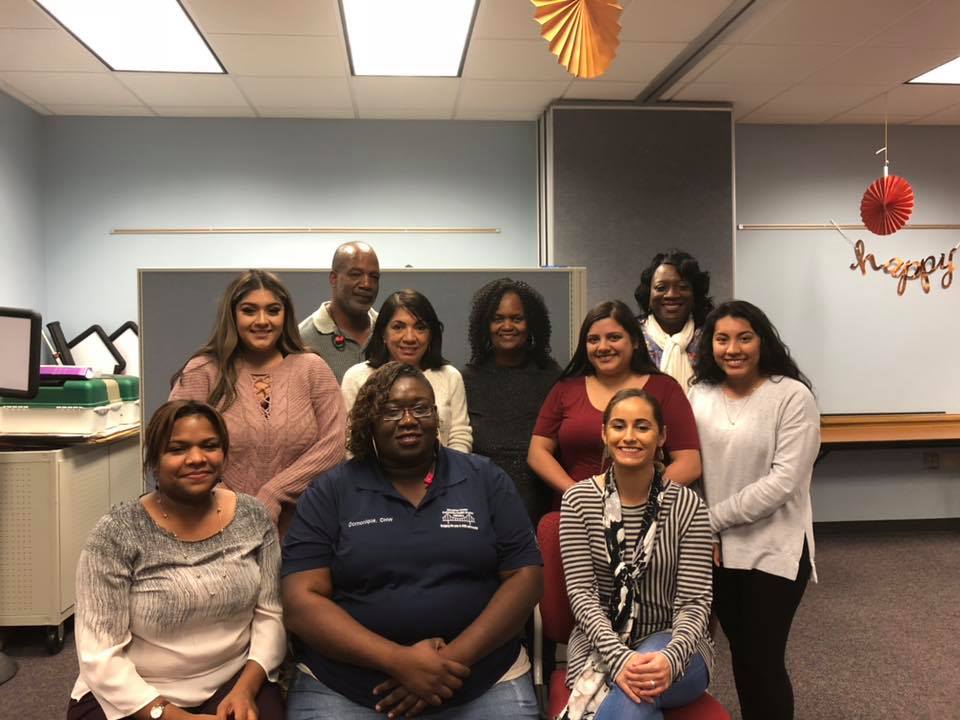
What led to this recommendation? What was Corsey already doing that made her a good fit for community health work? She shared that prior to becoming a CHW, her work in the community was, “…not so much health as far as nutrition, eating healthy, and exercise, but I was a community person and that ties into a lot of what we [CHW’s] do because we are planning and connecting with people to help them walk through steps.” Domonique’s community work before becoming a CHW entailed connecting to young women with a girls’ workshop – which will take place again this spring – that focused on teaching them about their bodies, self-esteem, and peer pressure. Through this work, she found herself often acting as an advocate for people needing help with navigating processes with Child Protective Services (CPS) as well. Corsey believes that her connections and rapport with the community influenced her placement in the ’04 zip code as a CHW. “The way they chose our zip codes was based on seeing what was beneficial for us and the community.”
So, what has her work as a CHW uncovered about health needs in East Waco? After a moment of thought, she responded, “One need I do see in East Waco a lot is mental health. That, and a lack of food access. But what I see [overall] is that there’s more of a need for resources…there’s not enough resources to compare with the need. So that’s the main thing. If I could build more resources…that’s what I would work on.”
According to Corsey, other barriers to health and wellness in East Waco include a lack of public transportation and simple, practical education on how to buy and eat healthy. “[For example] showing simpler ways to cook healthy – and having someone to help you budget and show you how you can save your SNAP,” she stated.
Corsey went on to discuss the new developments that are popping up in East Waco, and how this holds the potential to benefit the community. “So, for East Waco, a lot of people want work and I would want to see how to bring our people in [to get] jobs at some of these new development places that are coming in.”
As Community Health Workers, Corsey and her colleagues seek to build on the resources that are in the community. This calls for accountability and transparency from them when building relationships with clients. Corsey says openness and honesty are her policy, “…let them know what you can and can’t do…connect to them in a way where you let them know, ‘hey, I’ve been where you are’ or ‘this is how I overcame this issue’…give them and open mind, confidentiality, and trustworthiness [so that] they know they can come to you with things, no matter what they are.”
Reflecting on the community, Domonique pointed out that East Waco fosters a lot of great energy, history, and unity. As far as how Community Health Workers affect change in East Waco, she stated, “I believe we have to come together and educate each other and build on our history…That’s where the work begins and ends… with the community. We listen to them, feed off them, feel their energy and then come back and do what we have to according to what they need and want. That’s what we do.”
If you live in 76704, 76705,76706, or 76707 and want to connect to with a CHW, please contact: Health District Education Department (254)-750-5631. Facebook: https://www.facebook.com/WacoCommunityHealthWorkers/

Khristian Howard is an Atlanta native and a recent graduate of Georgia State University where she earned a Bachelor’s Degree in Social Work. She has a passion for empowering communities through service, and seeks to connect advocacy to creativity. Currently, she is serving as the AmeriCorps VISTA for Texas Hunger Initiative Waco, where her work focuses on fostering collective impact to improve health and eating habits in East Waco. When she is not working, you may find her sharpening her culinary skills or exploring new poetic and artistic pathways.
The Act Locally Waco blog publishes posts with a connection to these aspirations for Waco. If you are interested in writing for the Act Locally Waco Blog, please email [email protected] for more information.
by Karleigh Conway
After months of planning, design work and construction, the new MCH Family Outreach Center in Waco opened its doors on Jan. 7, 2019. The center is located at 524 West Waco Drive.
The center includes second-floor office space for the Waco MCH Family Outreach team and features several work and meeting areas, a conference room and a sensory room for staff to work with children and families utilizing trauma informed-techniques. The building also has a large collaborative community space for outreach programs, trainings, meetings, and community events.
The center hosts scheduled Family Solutions, Gap and Parent Education programming organized and taught by the Waco MCH Family Outreach team. Additionally, the team has already hosted other organizations in the collaborative space as Child Protective Services recently led a Pathways to Permanency course for kinship caregivers at the center.
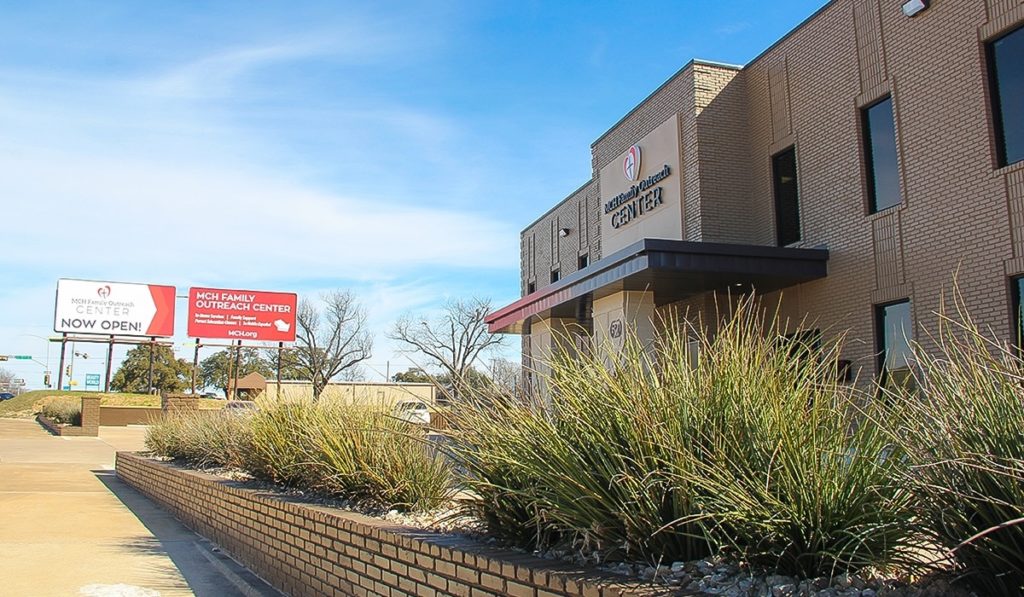
The second phase of construction will build-out the first floor of the 10,000-square-foot building to provide room for even more services to the community. Moe Dozier, vice president for programs at Methodist Children’s Home, said the new center helps MCH fulfill the commitment the organization made to the community at its founding nearly 130 years ago.
“MCH has and continues to actively serve children, youth and families at the highest level,” Dozier said. “Our dedication has led MCH to diligently review, analyze and improve all areas of the organization through the years. This expansion is a reflection of our active response to offering hope to the communities we serve.”
Traci Wagner, program administrator for the Eastern region of MCH Family Outreach, said the center helps MCH Family Outreach achieve their primary goal of strengthening families to help them provide a safe, stable and healthy family environment.
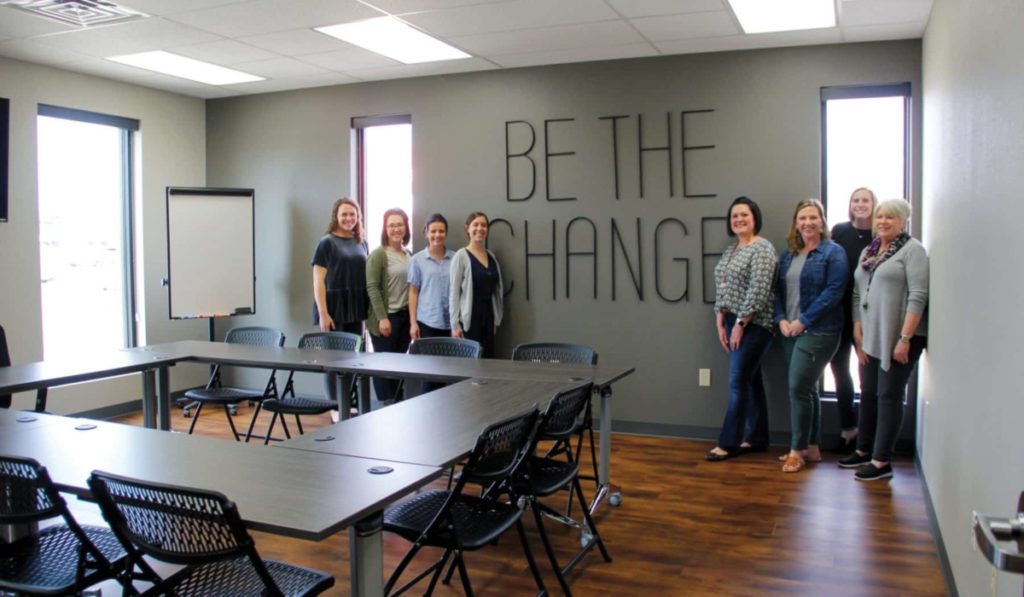
“We believe families are the strength of our communities and the natural place to help children develop to their fullest potential,” Wagner said. “We are continuing to partner with families to help build safe and healthy children and communities. This new space is in the center of the Waco community and provides us with the space and resources to creatively meet needs.”
Brooke Davilla, director of MCH Family Outreach in Waco, said she and her staff are excited about working from a new location that is easily identifiable in the Waco community.
“The new center is a space we hope will be seen as welcoming, safe, available, and approachable to all families,” Davilla said. “As we serve children, youth and families and host others in the center, we will work to honor this space and be good stewards of this opportunity to expand as an outreach team. We have a great responsibility but we also have great excitement.”
Dozier said he is grateful for the opportunity to serve the community in new, creative ways.
“We are thankful for this opportunity and we are thankful for the hard work and time that has been invested in MCH Family Outreach Center so far,” he said. “This center will have long-lasting impacts on the Waco community as MCH continues to proactively put hope into action.”
MCH Family Outreach will host an open house celebration for community partners, local officials and others on Friday, Feb. 15. In addition to Waco, MCH serves communities across Texas and New Mexico through Family Outreach offices in Abilene, Bryan, Corpus Christi, Dallas, El Paso, Houston, Killeen, Lubbock, San Antonio, and Tyler, Texas; and Albuquerque and Las Cruces, N.M.

Karleigh Conway. is a public relations officer with the development team of Methodist Children’s Home.
The Act Locally Waco blog publishes posts with a connection to these aspirations for Waco. If you are interested in writing for the Act Locally Waco Blog, please email [email protected] for more information.
By Lindsey Breunig
It is difficult to avoid Valentine’s Day reminders. There are decorations, cards, and candy in every store, and the radio, TV, or social media ads tend to highlight a gift for that special someone. Many restaurants might even have a special menu to celebrate the holiday. Whether you love the tradition or would prefer to avoid all things red that day, this post is dedicated to starting a new tradition on February 14th, a heart-healthy tradition. This Valentine’s Day give something from the heart for the heart!
The National Institute of Health estimates that the heart will beat 3 billion times in an average human lifetime. How amazing is that! The heart pumps blood through the network of arteries and veins supplying the body with oxygen and nutrients essential for our survival. It is no wonder why we need to take care of our heart!

During this time of year, it’s easy to get caught up to get the perfect gift to convey our love to those special people in our lives. While it may be nice to give (and receive) a box of chocolates, an even greater show of love is to share a heart-healthy gift to let the those know you care. Instead of offering an over-sized piece of cake or a box of sweets, give something that takes care of the heart. Below are some fun recipes to make for someone you care about.
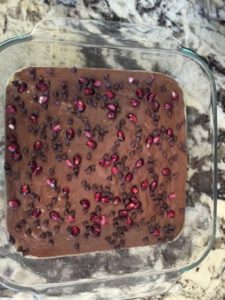
For all the chocolate fans reading this, here is a recipe for brownies with some extra twists! For Valentine’s Day try making these Chocolate Pomegranate Brownies. The chocolate and pomegranate create a delicious combination! Additionally, these brownies are made with black beans and prunes that you cannot taste.
Including fruit in dessert is a great way to get sweet flavors while also intaking wonderful vitamins and minerals. You can experiment with your favorite recipe by using unsweetened applesauce or mashed ripe bananas instead of butter. Or, try baked apples or peaches with cinnamon and a sprinkle of sugar instead of pie.
Like fruits, vegetables provide us with many vitamins and minerals that are great for our body. This next recipe is a favorite and uses red tomatoes to keep us in the Valentine’s Day spirit! Tomatoes are high in lycopene which according to the Harvard Medical School is a powerful antioxidant that eliminates dangerous free radicals that can damage DNA and other fragile cell structures. How thoughtful of you to use tomatoes this Valentine’s Day! Enjoy this Cowboy Salad.

Our final recipe is sure to impress! This easy pork tenderloin with a cayenne cherry sauce is healthy, while still feeling indulgent. Additionally, this recipe is stamped with the American Heart Association® Heart-Check Mark. The Mark helps consumers recognize that the recipe meets Heart-Check nutrition requirements that limit saturated fat, trans fat, sodium and added sugars, and promote consumption of beneficial nutrients. Check out this Pork Tenderloin with Cayenne Cherry Sauce or watch here.
The menu is set and now it’s time to include some physical activity as part of your Valentine’s Day! In addition to eating food that is good for our heart and bodies, remember it is also beneficial to have an active lifestyle that includes regular exercise to improve or maintain heart health. After a meal have fun walking around Waco with family and friends and think about gifts that encourage healthy habits such as running shoes, or reusable water bottles. Time together allows you to laugh, mingle, dance, and play games. Focus on fun and enjoy the company of others. I hope this Valentine’s Day is a lovely day for everyone and their heart!
Lindsey Breunig is a graduate of Baylor University and currently works as the Better Living for Texans Educator for the Texas A&M AgriLife Extension Service. She is originally from Grapevine, TX and now calls Waco home. Here in Waco she loves to venture out to Cameron Park, visit the local Farmers Market, and try out the awesome eateries in Waco. If you see her and hear a loud bark, that’s her pup Lucy just saying hello.
The Act Locally Waco blog publishes posts with a connection to these aspirations for Waco. If you are interested in writing for the Act Locally Waco Blog, please email [email protected] for more information.